Gout Linked to Consumption of Sugary Beverages

Gout isn’t just a disease that attacked historical heavyweights like Henry VIII.
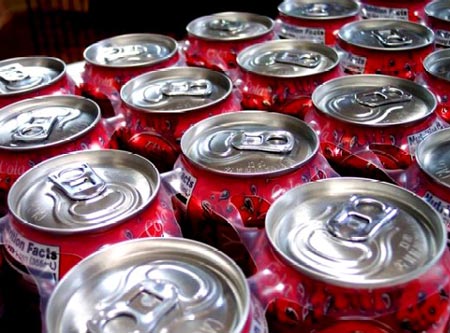
soft drink cans
image via hvo.wr.usgs.gov

A new study in the Journal of the American Medical Association seeks to determine if sugar-laden sodas and orange juice increase the likelihood that women will develop gout.  Gout is a form of arthritis that occurs when crystals of uric acid accumulate in a joint.

Over 22 year study, researchers did find that consuming high-fructose beverages did increase women’s risk of developing gout.  That said, out of the nearly 79,000 women in the study, only 778 developed the disease over that period.  Source: https://jama.ama-assn.org/cgi/content/short/jama.2010.1638v1?rss=1

Learn more about how to prevent and treat gout naturally.

The Connection Between Gout and Diet

Gout is a painful form arthritis marked by joint inflammation that is most likely to affect older men.  Uric acid in the bloodstream has been implicated in attacks of gout.  Levels rise in men after puberty but estrogen is thought to protect many women from the condition.

Genetics is generally blamed for gout, a rich but changes to the diet can affect the course of the disease.  A poor diet without adequate fruits and vegetables and too much fat from meat can increase the risk of an attack.  Avoid foods called  purines including many organ meats, legumes and yeast.

See more about gout.

The right diet can influence all aspects of your health.  Please read more about the best sources of nutrients for eye health and overall wellness.

Factors Contributing to Women’s Hair Loss

Most female-pattern baldness is inherited. Other causes of hair loss include: illnesses such as diabetes, lupus and thyroid disease, medications, medical treatments, recent severe flu, childbirth, hair treatments or scalp infection.

Most female-pattern baldness is inherited. Other causes of hair loss include:
– illnesses such as diabetes, lupus and thyroid disease
– poor nutrition – Fad diets, crash diets and certain illnesses, such as eating disorders, can cause poor nutrition.
– Medications. Certain drugs used to treat gout, arthritis, depression, heart problems and high blood pressure may cause hair loss in some people. Also, the acne medication Accutane contributes to hair loss. Taking birth control pills also may result in hair loss for some women
– Medical treatments. Undergoing chemotherapy or radiation therapy may cause you to develop alopecia. After your treatment ends, your hair typically begins to regrow.
– Recent high fever, severe flu or surgery. You may notice you have less hair three to four months after events such as an illness or surgery.
– Childbirth – Some women experience an increase in hair loss several months after delivering a baby. This increased hair loss usually corrects itself.
– Hair treatments. Chemicals used for dyeing, tinting, bleaching, straightening or perming can cause hair to become damaged and break off if they are overused or used incorrectly. Excessive hairstyling or hairstyles that pull your hair too tightly also can cause some hair loss.
– Scalp infection. Infections such as ringworm can invade the hair and skin of your scalp, leading to hair loss. Once infections are treated, hair generally regrows. Ringworm, a fungal infection, can usually be treated with a topical or oral antifungal medication.

Source: Mayo Clinic

Editor’s Notes: From a Chinese medicine perspective, loss of head hair for both men and women can be related to Kidney Qi Deficiency, which can result from excess stress, poor diet and/or chronic lack of sleep for example.

For an excellent Chinese based Kidney tonic (and eye tonic)  see Vision Tone Formula