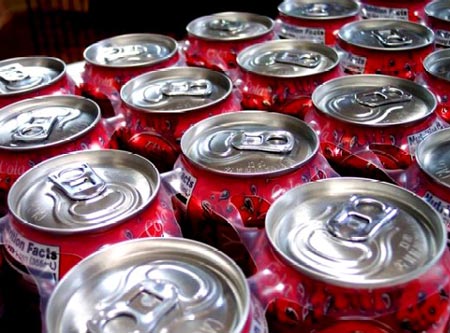
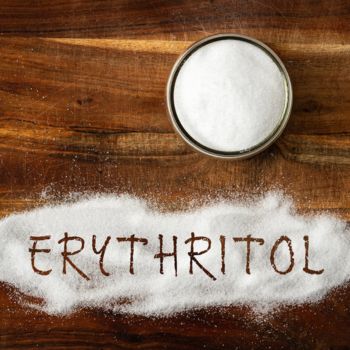
 In our blog posts, we have examined the potential health risks of artificial sweeteners in detail. Emerging research now indicates that certain artificial sweeteners may, in some cases, pose greater risks than table sugar. Of particular concern is erythritol, a sugar alcohol, which has been associated with an increased risk of serious cardiovascular events, including blood clots, heart attack, and stroke.
Erythritol is a commonly used artificial sweetener. Although it occurs in small amounts in some fruits and vegetables and is produced naturally in the body as part of normal metabolism, the quantities used in processed foods and beverages are far higher—often more than 1,000 times the levels found in nature. Continue reading “Artificial Sweetener Erythritol Linked to Increased Stroke and Heart Attack Risk”
 Ultra-processed foods are industrial formulations that undergo extensive processing and typically contain multiple ingredients not usually found in home cooking. Typically, these foods are lower in nutrients and fiber and higher in sugar, fat, and salt compared to unprocessed or minimally processed foods. Ultra-processed foods include soda, packaged cookies, chips, frozen meals, flavored nuts, flavored yogurt, hot dogs, distilled alcoholic beverages, and fast foods. Even many packaged breads, including those high in nutritious whole grains, qualify as ultra-processed because of the additives and preservatives they contain.
 Artificial sweeteners have long been marketed as a “healthier” alternative to sugar, especially for those managing diabetes, obesity, or simply aiming to cut calories. But as we explored in a
  What we eat earlier in life has a profound effect on long-term health and aging. Many studies confirm that eating a healthy diet and exercising regularly is essential to long-term health.
 A sweet taste with zero calories sounds tempting, but what are the dangers of artificial sweeteners? What does the research on zero-calorie artificial sweeteners show? Too much sugar and high-fructose corn syrup can damage your health. Artificial sweeteners sound like an easy alternative. How can you tell the difference between artificial and natural low-calorie sweeteners? And, how can you get that sweet taste without risking your health?
 You have heard that our diets have too much sugar. What does this mean? How does sugar affect our health, short-term and long-term? A large body of research shows the detrimental effects of excessive sugar, from tooth decay to diabetes. High-fructose corn syrup is especially villainized. And sugar is even blamed for hurting immunity.
  Artificial sweeteners are marketed to dieters and diabetics as a low-calorie alternative to sugar. However, a meta-study found that these sweeteners have negative impacts on gut bacteria, appetite, and metabolism.[1. CMAJ July 17, 2017 vol. 189 no. 28 doi: 10.1503/cmaj.161390. “Non-nutritive sweeteners and cardiometabolic health: a systematic review and meta-analysis of randomized controlled trials and prospective cohort studies” by Meghan B. Azad et.al] Ironically, long-term users of artificial sweeteners were more likely to experience weight gain and obesity than non-users. They also had a higher incidence of weight-related diseases such as high blood pressure, diabetes, heart