
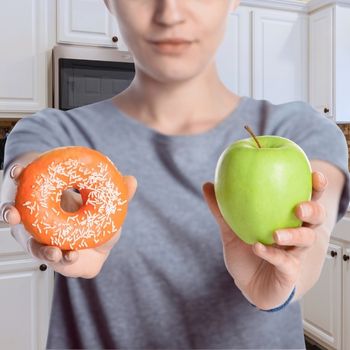
 Ultra-processed foods are industrial formulations that undergo extensive processing and typically contain multiple ingredients not usually found in home cooking. Typically, these foods are lower in nutrients and fiber and higher in sugar, fat, and salt compared to unprocessed or minimally processed foods. Ultra-processed foods include soda, packaged cookies, chips, frozen meals, flavored nuts, flavored yogurt, hot dogs, distilled alcoholic beverages, and fast foods. Even many packaged breads, including those high in nutritious whole grains, qualify as ultra-processed because of the additives and preservatives they contain. Continue reading “What Are Ultra-Processed Foods? Effect on Vision and Health”
Category: Weight loss
Green Tea Benefits for Seniors – Antioxidants for the Eyes, Brain, and Body
 Oxidative stress happens everywhere in the body and can create havoc over time. Many eye and brain diseases are triggered or exacerbated by oxidative stress. The body counteracts this stress by producing antioxidants. However, you must also ingest additional antioxidants through healthy food, drinks, and supplements. Green tea, rich in antioxidants, offers protective benefits for eye health by combating oxidative damage.[1. Merin, S. (1991). Inherited cataracts. In Merin S. editor. Inherited Eye Diseases, (pp. 86-120), New York: Mercel Dekker.] At pennies per cup, this convenient and tasty beverage has been studied for its special antioxidant properties. What are the green tea benefits for seniors? Read on to find out. Continue reading “Green Tea Benefits for Seniors – Antioxidants for the Eyes, Brain, and Body”
Traumatic Brain Injury in Football Players Reversed with Ginko, Fish Oil, and Other Natural Supplements
 A significant study has found that the deleterious effects of traumatic brain injury in American football players can be mitigated using a natural regimen of weight loss (if needed), fish oil, vitamins, and brain-enhancing supplements including ginkgo biloba. The positive results could help reverse brain damage in contact sport athletes, alcohol and drug addicts, chronic traumatic encephalopathy (CTE) and people who have had brain damage from concussions.
Obesity’s Effects on Diabetic Retinopathy, Cataracts and Eye Disease
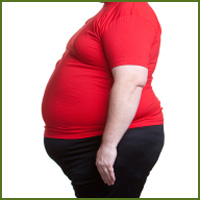 The obesity epidemic may have an impact on the health of the eyes. While scientific studies do not seem to have found a direct link between obesity and eye disease, maintaining a healthy weight supports your overall health and helps prevent diseases that can harm the eyes. Here’s why.
Obesity is a step up from “overweight.” The National Institute of Health (NIH) in the United States, commonly uses Body Mass Index (BMI). This is a ratio of height to weight. Overweight is a BMI of 25-29, and obesity is a BMI of 30 or more. For example, 5′ 7″ person who weighs 160 pounds would have a BMI of 25 (just barely overweight). This same person at 195 pounds would have a BMI of 30 (obese) and at serious risk of disease such as heart disease, cardio-vascular disease, stroke, cancer, diabetes and lower-body joint problems.
Continue reading “Obesity’s Effects on Diabetic Retinopathy, Cataracts and Eye Disease”
Strengthen Your Muscles from Your Eyes to Your Toes
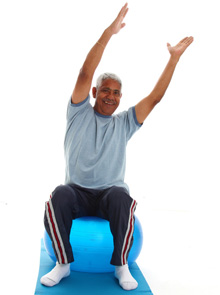 When you are in your 30’s, your skeletal muscle mass will peak. After that, they will reduce slightly in number and size every year. By the time you are in your 50’s, 15% of muscle mass may be lost, and by your 80’s, as much as 30% of muscle mass may be lost.
Obviously, strength training is crucial to strengthen your muscles and increase their size. Being strong and fit helps maintain good health and energy, reduces osteoporosis and cardiovascular disease, burns calories for weight management, improves sleep, cuts cancer risk, and much more!
Everyone should make exercise a priority throughout their lives. However, up to 75% of older Americans do not get enough exercise.(1)
It is generally recommended that older adults should do strength training two or three times per week, performing 10-15 repetitions of approximately 8 to 10 different exercises.(1)
Recent research Continue reading “Strengthen Your Muscles from Your Eyes to Your Toes”
Drink Green Tea to Reduce Body Fat
 Did you over-indulge in too many high-calorie foods over the holidays? Put on a few extra pounds? Two-thirds of American adults are overweight or obese, and a few extra pounds add up to health risks. However, drinking green tea may help fight body fat and also lower cholesterol levels.
Green tea is lower in caffeine than coffee, so it makes a great coffee substitute. A high intake of caffeine can cause nervousness, dependence, and sleep problems.
A recent, small study on green tea in Japan showed that taking green tea extract was associated with losing body fat and weight. The more green tea extract the study participants took, the bigger the effect. The subjects also had lower LDL cholesterol and lower blood pressure (to counteract hypertension). Continue reading “Drink Green Tea to Reduce Body Fat”
Glaucoma Associated with Metabolic Syndrome
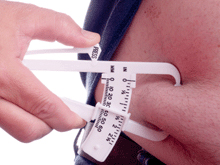
Don’t just take it from us that glaucoma risk increases in those who have diabetes, high blood pressure, and who are overweight. Researchers publishing in the journal Ophthalmology have found that these conditions, which together are labeled “metabolic syndrome” are all linked to the development of open-angle glaucoma.
A staggering 20% of people in America are said to have metabolic syndrome. Both metabolic syndrome and glaucoma are associated with aging, so, as the US population gets older, scientists believe that both conditions with become more prevalent.
This study included over two million adults over age 40. The study authors analyzed the results from the subjects’ eye care records to discover the correlations between metabolic syndrome and glaucoma. According to this story’s source, PCON Supersite, “Raw data showed that 1,576,993 subjects had at least one metabolic disease; 55,090 subjects had OAG.”
PCON Supersite goes on: “Adjusted data showed that subjects with diabetes alone had a 35% increased risk of developing OAG, and those with hypertension alone had a 17% increased risk. Those with diabetes and hypertension combined had a 48% risk. Those with hyperlipidemia alone had a 5% decreased risk. Obese subjects had a 14% increased risk.”
Learn more about your glaucoma risk factors.
Sleep and Stress Reduction Encourage Weight Loss
Are you ready to sleep away those extra pounds?
A new study from Kaiser Permanente’s Center for Health Research in Portland describes how high levels of stress and inadequate sleep can keep people from losing weight, even when they are following a diet.
Study authors say that those who get 6-8 hours of sleep and moderate the stress in their lives are most successful when they try to lose weight.
The study included 472 obese adults who both reduced their caloric intake by 500 calories and exercised 3 hours per week. The researchers found that proper amounts of sleep and healthy stress levels at the beginning of the trials were predictive of optimal weight loss.
“People who are healthy and vital tend to be healthy and vital not because of any one factor, but because of many. And the factors that promote health — eating well, being active, not smoking, sleeping enough, controlling stress, to name a few –promote all aspects of health,” said study author Dr. Charles Elder. Story via HealthFinder.gov
Reducing stress will positively impact a number of health conditions – everything from blepharospasm (eye twitches) to peptic ulcers.
Healthy Lifestyle Prevents Stroke, Cataracts, Macular Degeneration, Glaucoma
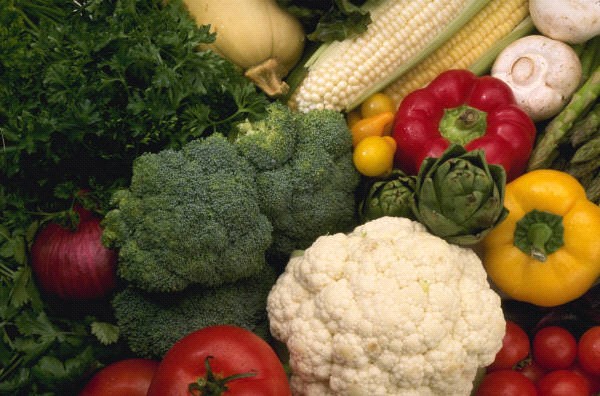
A healthy lifestyle can reduce your risk of stroke by up to 80%.
Research published in the journal Stroke encourages people to exercise regularly, drink alcohol only in moderation, eat plenty of fruits and veggies, control weight, and not smoke in order to avoid stroke.
These guidelines are the same that we recommend when it comes to avoiding vision conditions like cataracts, glaucoma, macular degeneration, and diabetic retinopathy.
Moderate Alcohol Use
There’s another piece of evidence that suggests moderate drinking – one or two alcoholic beverages each day – can be beneficial for the eyes.
A study of over 3,600 Australians found that when the figures were adjusted to account for other factors (including age, smoking, and diabetes), people who had one or two drinks each day were 50% less likely to have cataract surgery. The moderate drinkers were less likely to require surgery for cataracts than counterparts who drank more as well as those who did not drink at all.
Source: https://www.osnsupersite.com
Weight Loss Discovery: Eat Less When You Eat a Nutrient Rich Diet
One of the most basic and essential recommendations we can make to those interested in maintaining and improving eye health is to eat well.
A new study published in the Nutrition Journal are better able to manage their weight when they consume a diet high in nutrients. The more nutritious your diet, the higher the “micronutrient density” is, and the higher that micronutrient density, the less likely you are to feel the hunger that will drive you to overeat. Source: Nutrition Journal
Learn more about the nutrient contents of food and how eating certain things can enhance eye health.