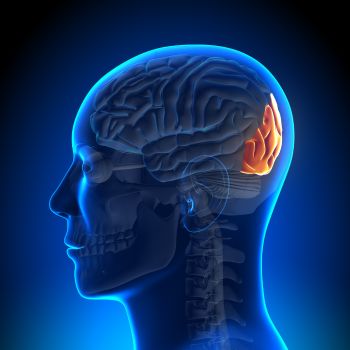
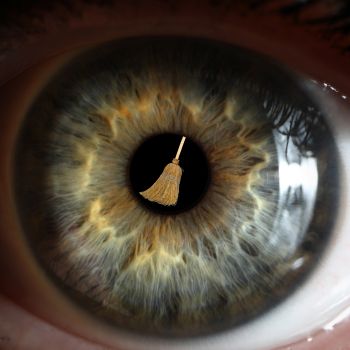
 Eye conditions such as age-related macular degeneration, cataracts, glaucoma, and diabetic retinopathy usually do not have a single cause. Instead, they arise from a mix of influences, including genetics, environment, age, diet and nutrition, and oxidative stress. Among these, oxidative stress is especially important because it directly affects a vital cellular process called autophagy.
Autophagy is the body’s built-in “cellular housekeeping” or recycling system. It allows cells in the eyes and brain to break down and reuse worn-out components, including damaged mitochondria and large, clumped proteins.[1. Kulkami VV, Maday S. Compartment-specific dynamics and functions of autophagy in neurons. Dev Neurobiol. 2018;78(4):298-310. doi:10.1002/dneu.22524] When autophagy is working properly, it helps maintain healthy cell function. But when this process is disturbed, cellular waste can build up, organelles are not renewed as they should be, and the normal physiology of the eye can begin to break down. Continue reading “How the Eye and Brain Handles Removal of Natural Waste”
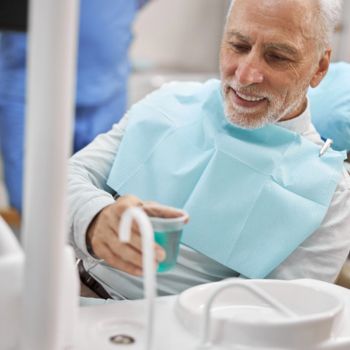 Did you know that periodontal disease and cavities are significant threats to oral health? In children, tooth decay is about five times more prevalent than asthma, and seven times more common than inhaled allergies. Adults lose teeth mostly from untreated periodontal disease. Untreated oral disease has resulted in 15% of people over the age of 65 having all their teeth removed.[1. Centers for Disease Control and Prevention. Oral Health Surveillance Report: Dental Caries, Tooth Retention, and Edentulism, United States, 2017–March 2020. U.S. Dept of Health and Human Services; 2024.] Severe tooth loss resulting in fewer than 8 teeth remaining affects 26% of seniors.[2. Griffin SO, Griffin PM, Li C-H, Bailey WD, Brunson D, Jones JA. Changes in older adults’ oral health and disparities: 1999 to 2004 and 2011 to 2016. J Am Geriatr Soc. 2019;67(6):1152–1157.] Untreated tooth decay in permanent teeth plagues 53 million adults in America.[3. Benjamin RM. Oral health: the silent epidemic. Public Health Rep. 2010 Mar-Apr;125(2):158-9. doi: 10.1177/003335491012500202. PMID: 20297740; PMCID: PMC2821841.]
  Cognitive issues are not only affecting seniors as they are living longer, but a new study shows that more younger Americans, ages 10–39, are struggling with cognitive problems than just a decade ago. Issues include trouble concentrating, remembering, or making decisions.[1. Centers for Disease Control and Prevention. “Prevalence of Cognitive Disability Among Young and Older Adults — United States, 2011–2015.”]
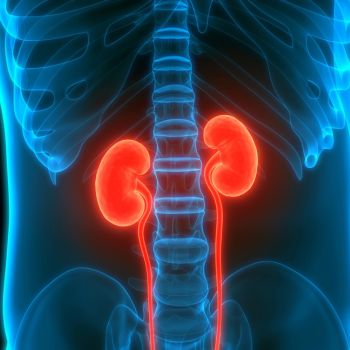 The kidneys play a crucial role in supporting brain health and maintaining optimal vision. In this article, we will examine the flow of vital energy in Traditional Chinese Medicine and look at the latest findings on Parkinson’s Disease. Find out how the intricate relationships between the kidneys, brain, and eyes can help you stay healthier as you age.
 Did you know your brain is capable of growing new cells and forging fresh connections, even as you age? The science of neurogenesis is reshaping our understanding of brain and eye health. Neuroplasticity isn’t just for kids! About 30 years ago, scientists began to acknowledge the brain’s amazing ability to adapt in all stages of life. In this article, we will discuss the science of neuroplasticity and how it impacts both the brain and the eyes. Also, we will talk about how neurogenesis regrows brain and eye tissue, and how it could improve eye conditions such as glaucoma. And, we will recommend nutrients that can help your brain build new connections and neurons.
  A new study has found a link between vascular diseases, specifically high blood pressure, diabetes, and increased risk for dementia. Vascular risk factors were higher in both female and Black participants, as well as non-carriers of the APOE ε4 gene, which is linked with an increased risk of Alzheimer’s.[1. https://jamanetwork.com/journals/jamaneurology/article-abstract/2834600]