
 Ultra-processed foods are industrial formulations that undergo extensive processing and typically contain multiple ingredients not usually found in home cooking. Typically, these foods are lower in nutrients and fiber and higher in sugar, fat, and salt compared to unprocessed or minimally processed foods. Ultra-processed foods include soda, packaged cookies, chips, frozen meals, flavored nuts, flavored yogurt, hot dogs, distilled alcoholic beverages, and fast foods. Even many packaged breads, including those high in nutritious whole grains, qualify as ultra-processed because of the additives and preservatives they contain. Continue reading “What Are Ultra-Processed Foods? Effect on Vision and Health”
Category: Stroke
Can Atherosclerosis Harm Me? Can Nutrition and Exercise Help?
 Coronary artery disease stands as the leading form of heart disease in the United States, impacting more than 20 million people. Among atherosclerosis’s most serious risks are heart attacks and strokes, both of which can have life-altering consequences. Fortunately, there are powerful steps you can take to protect your heart health. Building a balanced diet, staying active, and using carefully chosen supplements all play an important role in preventing and managing atherosclerosis. In this article, we will discuss how atherosclerosis happens, its effects on the body, and nutrients that support heart health. We also review basic lifestyle choices, such as exercise and remaining smoke-free, that can add years to your life. Continue reading “Can Atherosclerosis Harm Me? Can Nutrition and Exercise Help?”
Caffeine, Coffee and Eye Health
 What are the connections between caffeine, coffee and eye health? Do the negatives outweigh the positives? This is a tricky question, given the contradictory research on this popular beverage. Coffee is high in antioxidants that have broad health benefits. However, coffee is typically acidic, which can cause stomach symptoms. The caffeine in coffee is a stimulant that increases alertness, but it can also cause energy crashes. Caffeine research has not yet pinpointed the ideal amount of caffeine for better health. According to Traditional Chinese Medicine, coffee can be helpful or harmful, depending on the constitution of the drinker. Continue reading “Caffeine, Coffee and Eye Health”
Nattokinase Supplements for Heart Health Benefits
Did you know that two substances of Asian origin, nattokinase and serrapeptase, have significant health benefits? Scientific studies have revealed some of the reasons why longevity is associated with regular consumption of serrapeptase and nattokinase supplements. Specifically, we will discuss cardiovascular disease, eye issues such as floaters, macular degeneration, and diabetic retinopathy, internal scar tissue from autoimmune disorders, lung disease, sinusitis, neurological disorders, and inflammatory bowel disease. Continue reading “Nattokinase Supplements for Heart Health Benefits”
Diabetic Retinopathy, Sugar Balance and Retinal Support
 Diabetic retinopathy is a leading cause of blindness among adults. Poor blood sugar balance can damage nerves, so nerve support is crucial for people with diabetes. Diabetic retinopathy is a serious eye condition stemming primarily from imbalances in blood sugar levels. When blood sugar is not properly managed, the body’s delicate nerve tissues, including the retina, can be injured.
At Natural Eye Care, we have examined the research on nutrients that help protect the eye, including the retina and blood flow to the eye. Research has identified oxidative stress and inflammation as key contributors to the onset and development of numerous eye conditions.[1.Levkovitch-Verbin, H. (2015). Retinal ganglion cell apoptotic pathway in glaucoma: Initiating and downstream mechanisms. Prog. Brain Res, 220:37–57.] [2.Kowluru, R.A., Mishra, M. (2015). Oxidative stress, mitochondrial damage and diabetic retinopathy. Biochem. Biophys. Acta. 1852:2474–2483.] [3.Dib, B., Lin, H., Maidana, D.E., Tian, B., Miller, J.B., et al. (2015). Mitochondrial DNA has a pro-inflammatory role in AMD. Biochem Biophys Acta, 1853:2897–2906.] These conditions include macular degeneration, glaucoma, cataracts, macular edema, and diabetic retinopathy. Without intervention, these eye diseases can result in a gradual decline in vision, potentially leading to blindness. Studies suggest that incorporating specific antioxidant and anti-inflammatory nutrients may be beneficial in preventing and managing these eye disorders.[4.Rhone, M., Basu, A. (2008). Phytochemicals and age-related eye diseases. Nutr Rev, 66:465–472.]
Continue reading “Diabetic Retinopathy, Sugar Balance and Retinal Support”
Oxidative Stress and Metabolic Syndrome
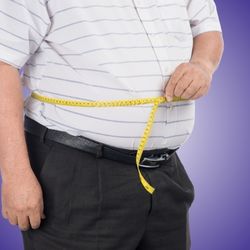 Extra weight around the belly may not seem hazardous. However, a higher abdominal circumference is one of several contributing factors to Metabolic Syndrome. As a risk factor for diabetes and cardiovascular disease, Metabolic Syndrome can creep up over time. Hormones, insulin resistance, genetics, organ dysfunction, and mitochondrial dysfunction can play a role.
Lifestyle, including nutrition and exercise, are factors that contribute to Metabolic Syndrome, and are under our control. Therefore, preventing or reversing metabolic syndrome can improve both lifespan and quality of life. Diabetic retinopathy, central retinal artery occlusion, cataract, age-related macular degeneration, glaucoma, and dry eye syndrome are eye diseases with similar underlying risk factors to Metabolic Syndrome. Oxidative stress ties into all these problems. What is the science behind Metabolic Syndrome? What can you do to head it off? Continue reading “Oxidative Stress and Metabolic Syndrome”
11 Brain-Boosting Foods for Seniors
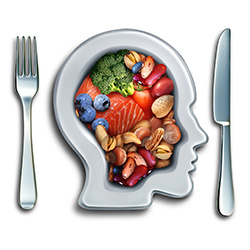 Brain health is especially important in seniors. Seniors are susceptible to dementia, Alzheimer’s disease, memory problems, and cognitive decline. Which foods boost brain power the most? At Natural Eye Care, we have picked eleven common foods that have brain-saving properties. Scientists have been studying the nutrients in foods for decades. They have isolated specific nutrients that cross the blood-brain barrier. These types of nutrients get direct access to the brain and even the retina. The retina is made from neural tissue. Researchers find that many of the nutrients helpful for the brain also stave off eye diseases such as macular degeneration and glaucoma.
Try adding some of these foods to your regular diet. Seniors need fewer calories than younger folks. Therefore, replace “junk food” like cookies, candy, and chips with these brain-boosters. Continue reading “11 Brain-Boosting Foods for Seniors”
Chocolate / Lactulose May Help Protect Against Stroke
Chronic Fatigue

When you’re feeling low, some chocolate can often perk you up.
If you are someone who suffers from chronic fatigue syndrome, the flavonoids in chocolate may actually help alleviate your symptoms.
A study published in Nutrition Journal describes how chocolate with high cocoa liquor counts that is rich in polyphenols was more effective in helping subjects manage their chronic fatigue symptoms over eight week periods than those taking “regular” chocolate.[1. https://www.nutritionj.com/content/9/1/55.]
Stroke Recovery
Epicatechin is another compound that is found in dark chocolate. Catechins are natural antioxidants found in a number of foods.
Scientists have determined that epicatechin may protect the brain after one has suffered a stroke. It may do so by stimulating the signals given by cells to protect nerve cells from damage. [3. Journal of Cerebral Blood Flow and Metabolism, May 5, 2010.]
Editor’s Note: Antioxidants are essential for maintaining healthy vision and overall health.
Lactulose & Stroke Recovery
Based on a new research study done on mice, a simple drink of water laced with hydrogen gas–lactulose–might help prevent brain damage due to a stroke. The gas appears to protect cells from the after effects of oxygen starvation possibly by reacting with and disabling the post stroke toxic oxygen effects.
In the West, stroke is the second leading cause of death (heart disease is #1). During an ischemic stroke, a blockage chokes off blood flow to the brain. Part of the brain dies, and if the damage is serious enough, the individual dies. The sooner the stroke is mitigated, the less damage to the brain. Stroke victims can have long-term difficulty with cognition, using parts of their body, eating, doing daily tasks, and caring for themselves.
Risk factors for stroke that are not easily controlled include age, gender, race, and family history. Controllable risk factors include high blood pressure, atrial fibrillation, high cholesterol, diabetes, atherosclerosis, circulation problems, tobacco, alcohol, lack of exercise, and obesity. Preventing a first stroke helps prevent future strokes, since having a stroke in the past also increases the risk — if the first stroke is survived.
To detect whether someone may be having a stroke, the “FAST” method is recommended.
- F = Face (Ask the person to smile. Does one side of the face droop?)
- A = Arms (Ask the person to raise both arms. Does one arm drift downward?)
- S = Speech (Ask the person to repeat a simple sentence. Does the speech sound slurred or strange?)
- T = Time (If you observe any of these signs (independently or together), call 9-1-1 immediately)
A new study examined whether mixing hydrogen gas with water — to create lactulose — and drinking it immediately after an stroke reduced brain damage. They found in animal studies that the lactulose had an anti-oxidant effect and reduced neurological damage from ischemic stroke. The hydrogen gas seemed to protect cells from the after-effects of oxygen deprivation.
The scientists called for more research into whether lactulose could have a preventative effect, to avoid strokes in the future. Also, they hypothesized that hydrogen gas in water could act as a powerful antioxidant to prevent or treat cardiovascular disease, neurodegenerative disease, etc. Currently, there are no signs of hydrogen gas being toxic to humans.
Significant research supports the value of antioxidants in maintaining good health and mitigating disease. Learn more about antioxidants for good health.[4. Lactulose: an effective preventive and therapeutic option for ischemic stroke by production of hydrogen.” by Chen Et. Al. Medical Gas Research 2012, 2:3.]
Retinal Vein Occlusion: A Complete Overview from Natural Eye Care
 Retinal Vein Occlusion is the blockage of veins that drain blood from the retina in the eye. The eye circulatory system depends on releasing blood back to the heart after it has nourished the retina. When the vein is blocked, hemorrhaging occurs, damaging the retina. It is typically caused by atherosclerosis, a common condition especially in older people that damages the arteries. “Occlusion” means the blockage or closing of a blood vessel.
Symptoms and How Retinal Vein Occlusion Is Diagnosed
A sudden change in vision may indicate retinal vein occlusion.
- A blurred or missing area of vision is the most common, indicating a branch vein occlusion
- Less commonly, there is a severe loss of central vision, associated with a central vein becoming blocked.
Any sudden vision changes should be reported Continue reading “Retinal Vein Occlusion: A Complete Overview from Natural Eye Care”
Exercise May Be as Effective as Medication
 A study in the British Medical Journal has shown that exercise can be as effective a treatment as conventional medication for some conditions. By examining 305 different trials, researchers found that patients that used exercise regularly as treatment rivaled or surpassed patients taking pills for the same conditions when examining their life expectancies.
The study was conducted by researchers at the London School of Economics, Stanford University School of Medicine, and the Harvard Pilgrim Health Care Institute at Harvard Medical School. Researchers scanned thousands of studies comparing exercise and medication and narrowed their analysis down to 305 of them. The cases included nearly 340,000 patients, treating conditions such as stroke rehab, heart disease and heart failure, and pre-diabetes.
Continue reading “Exercise May Be as Effective as Medication”