
 Eye conditions such as age-related macular degeneration, cataracts, glaucoma, and diabetic retinopathy usually do not have a single cause. Instead, they arise from a mix of influences, including genetics, environment, age, diet and nutrition, and oxidative stress. Among these, oxidative stress is especially important because it directly affects a vital cellular process called autophagy.
Autophagy is the body’s built-in “cellular housekeeping” or recycling system. It allows cells in the eyes and brain to break down and reuse worn-out components, including damaged mitochondria and large, clumped proteins.[1. Kulkami VV, Maday S. Compartment-specific dynamics and functions of autophagy in neurons. Dev Neurobiol. 2018;78(4):298-310. doi:10.1002/dneu.22524] When autophagy is working properly, it helps maintain healthy cell function. But when this process is disturbed, cellular waste can build up, organelles are not renewed as they should be, and the normal physiology of the eye can begin to break down. Continue reading “How the Eye and Brain Handles Removal of Natural Waste”
 Hair loss is one of the most frequent concerns people bring to their doctors, regardless of age or gender. What many do not realize is that thinning hair or lash loss can sometimes signal deeper health issues that also impact vision. The eyes are closely connected to the rest of the body, so chronic conditions like diabetes, arthritis, high blood pressure, and autoimmune diseases can affect both hair and eye health.
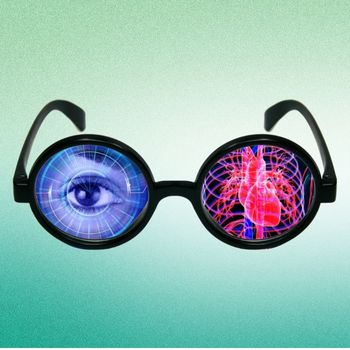 The link between cardiovascular disease and eye health may not be obvious. However, the eyes are made from nutrients. A large body of research shows how important nutrition is for eye health. Maintaining healthy vision depends on whether the eyes and visual system are properly nourished. Cardiovascular disease, including high blood pressure and atherosclerosis, can affect the flow of essential nutrients and oxygen to the eyes. Poor circulation to the eyes can cause damage to the retina’s tiny blood vessels, with potentially sight-threatening consequences. Cardiovascular disease can often be identified through retinal scans well before the disease is detectable through traditional tests.
  In the USA, our diets are usually high in ultra-processed foods, fat, sugar, salt, and empty calories. Poor nutrition has been linked to declines in mental health, increasing the risk of depression and anxiety. It can also compromise eye health, contributing to conditions like glaucoma, diabetic retinopathy, cataracts, and macular degeneration. A nutrient-poor diet can also impair brain, cardiac, and neurological function, weaken immunity, and contribute to obesity.
  Collagen can help reduce the risk of eye conditions such as glaucoma, cataracts, and macular degeneration. Connective tissue is made up primarily of collagen. This scaffolding provides elasticity and strength to the tendons, bones, ligaments, and skin. The eyes depend on collagen to function properly. As we age, we produce less collagen. This causes wrinkles in the skin. Losing collagen leads to an eye condition in middle age called “presbyopia” – a longer focal distance. Adding collagen may improve the elasticity of the eye. This article explores the research on collagen and glaucoma.
  Staying hydrated is an essential part of maintaining health. Drinking healthy fluids throughout the day helps the body detoxify and is critical in maintaining temperature control and proper blood viscosity. Seniors, in particular, generally do not drink enough water.
 Diabetic retinopathy is a leading cause of blindness among adults. Poor blood sugar balance can damage nerves, so nerve support is crucial for people with diabetes.
  We might not connect our eating habits to eye disease, but poor nutrition impairs circulation. Reduced circulation can contribute to eye diseases, including cataracts, glaucoma, retinal vascular occlusions, ischemic optic neuropathy (ION), dry eyes, macular degeneration, and diabetic retinopathy. Instead of being a “victim” of eye diseases in your senior years, you can take charge of your health today!
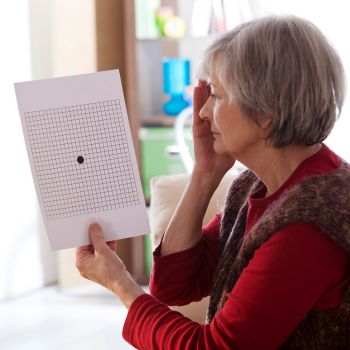 Macular degeneration is also known as AMD, which is an acronym for “Age-Related Macular Degeneration.” It is the leading cause of irreversible blindness. Limited conventional treatments are available. However, natural remedies can go a long way toward reducing the risk of AMD onset. They can help prevent AMD from progressing to the point of vision loss. And, in many cases, lifestyle considerations and targeted supplementation can improve vision loss from AMD.
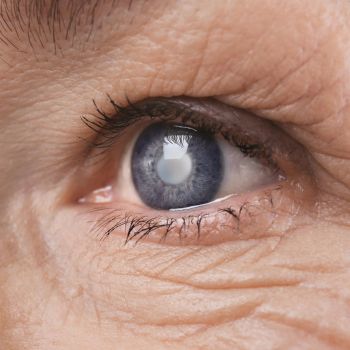 Cataracts are a condition where the lens of the eye becomes cloudy. They are common among seniors. Symptoms include: