
 Did you know that periodontal disease and cavities are significant threats to oral health? In children, tooth decay is about five times more prevalent than asthma, and seven times more common than inhaled allergies. Adults lose teeth mostly from untreated periodontal disease. Untreated oral disease has resulted in 15% of people over the age of 65 having all their teeth removed.[1. Centers for Disease Control and Prevention. Oral Health Surveillance Report: Dental Caries, Tooth Retention, and Edentulism, United States, 2017–March 2020. U.S. Dept of Health and Human Services; 2024.] Severe tooth loss resulting in fewer than 8 teeth remaining affects 26% of seniors.[2. Griffin SO, Griffin PM, Li C-H, Bailey WD, Brunson D, Jones JA. Changes in older adults’ oral health and disparities: 1999 to 2004 and 2011 to 2016. J Am Geriatr Soc. 2019;67(6):1152–1157.] Untreated tooth decay in permanent teeth plagues 53 million adults in America.[3. Benjamin RM. Oral health: the silent epidemic. Public Health Rep. 2010 Mar-Apr;125(2):158-9. doi: 10.1177/003335491012500202. PMID: 20297740; PMCID: PMC2821841.] Continue reading “Oral Bacteria Could Lead to a Heart Attack and Eye Disease”
Category: High Cholesterol
Fatty Liver Disease and Other Dangers of Diet Soda and Artificial Sweeteners
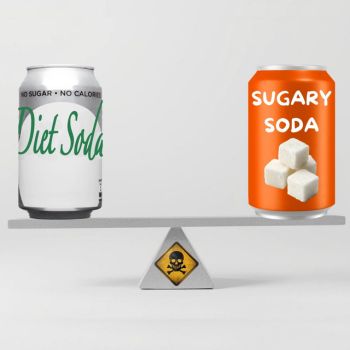 Artificially sweetened sodas are popular, but research suggests their ingredients may have serious consequences for our health, especially when it comes to fatty liver disease, heart health, and brain function. In this article, we take a closer look at the latest studies on diet sodas, added sugars, and their surprising effects on everything from your gut microbiome to your risk for chronic disease. If you care about long-term wellness or want to make informed choices about what you drink, read on for the evidence and practical alternatives. Continue reading “Fatty Liver Disease and Other Dangers of Diet Soda and Artificial Sweeteners”
Unlocking the Power of Cocoa and Flavanols: Benefits for Heart, Brain, and Vision Health
 Love chocolate? You’re not alone—and science is on your side. Cocoa flavanols and dark chocolate aren’t just delicious treats; they’re packed with natural compounds that can benefit your heart, brain, and even your vision. In this article, we examine the latest research on cocoa flavanols and other plant-based nutrients, revealing how your favorite indulgence may actually support your long-term health. Read on to discover how these everyday foods can make a real difference for your cardiovascular, cognitive, and eye health. Continue reading “Unlocking the Power of Cocoa and Flavanols: Benefits for Heart, Brain, and Vision Health”
Vascular Disease, Brain Disease and Eye Health Are Connected
 A new study has found a link between vascular diseases, specifically high blood pressure, diabetes, and increased risk for dementia. Vascular risk factors were higher in both female and Black participants, as well as non-carriers of the APOE ε4 gene, which is linked with an increased risk of Alzheimer’s.[1. https://jamanetwork.com/journals/jamaneurology/article-abstract/2834600]
The statistical results of this cohort study suggest that between 22% and 44% of incident dementia cases by 80 years old were attributed to midlife and late-life vascular risk factors.
Continue reading “Vascular Disease, Brain Disease and Eye Health Are Connected”
Caffeine, Coffee and Eye Health
 What are the connections between caffeine, coffee and eye health? Do the negatives outweigh the positives? This is a tricky question, given the contradictory research on this popular beverage. Coffee is high in antioxidants that have broad health benefits. However, coffee is typically acidic, which can cause stomach symptoms. The caffeine in coffee is a stimulant that increases alertness, but it can also cause energy crashes. Caffeine research has not yet pinpointed the ideal amount of caffeine for better health. According to Traditional Chinese Medicine, coffee can be helpful or harmful, depending on the constitution of the drinker. Continue reading “Caffeine, Coffee and Eye Health”
Nattokinase Supplements for Heart Health Benefits
Did you know that two substances of Asian origin, nattokinase and serrapeptase, have significant health benefits? Scientific studies have revealed some of the reasons why longevity is associated with regular consumption of serrapeptase and nattokinase supplements. Specifically, we will discuss cardiovascular disease, eye issues such as floaters, macular degeneration, and diabetic retinopathy, internal scar tissue from autoimmune disorders, lung disease, sinusitis, neurological disorders, and inflammatory bowel disease. Continue reading “Nattokinase Supplements for Heart Health Benefits”
How Microplastic Pollution Can Damage Your Health
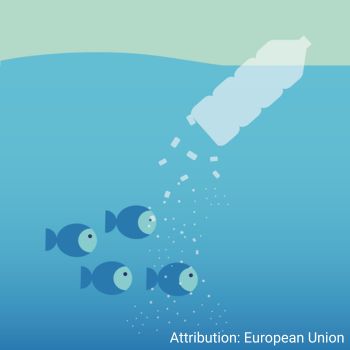 When tiny plastic particles pollute the ecosystem, can they cause harm? If so, can you do anything? At Natural Eye Care, we have mined the research on the effects of microplastics and nanoplastics on human health. Read on to find out what they are, how they affect living organisms, and how to reduce your exposure.
What Are Microplastics?
Microplastics are pieces of plastic measuring less than 5 millimeters (0.2 inches) long. They are usually produced intentionally or generated when large synthetic polymer products, such as plastic packaging, are not properly disposed of or treated. Once formed, microplastics are often exposed to the environment, where they can decompose. Much of the exposure to microplastics starts with the dumping of these MNPs in the ocean, finding their way to fish, plankton, and the shore. Various human activities and products, such as washing, worn tires, city dust, road paint, ships, and cleaning products, have been reported as sources of microplastics. [1. IUCN. IUCN 2017: international union for conservation of nature annual report 2017. accessed on 2023 February 20. Available at: https://portals.iucn.org/library/node/47536] Continue reading “How Microplastic Pollution Can Damage Your Health”
Eating Habits Can Impair Circulation, Increasing the Risk of Glaucoma, Retinal Vascular Occlusions, Dry Eyes, Macular Degeneration
 We might not connect our eating habits to eye disease, but poor nutrition impairs circulation. Reduced circulation can contribute to eye diseases, including cataracts, glaucoma, retinal vascular occlusions, ischemic optic neuropathy (ION), dry eyes, macular degeneration, and diabetic retinopathy. Instead of being a “victim” of eye diseases in your senior years, you can take charge of your health today!
At Natural Eye Care, we believe that the visual system uses approximately 25% of the nutrients we take into the body. Only the brain needs more. Therefore, a nutrient-rich diet helps keep your eyes healthy. Anything that impairs the free flow of blood, oxygen, and nutrients can significantly increase the risk of eye disease. Over time, you could experience vision loss, making you less independent in your senior years.
Aged Black Garlic Supports Glaucoma and New Eye-Related Research
 Aged black garlic, a culinary staple, is gaining recognition for its unique flavor and remarkable health benefits. Garlic has long been celebrated for its medicinal properties. Aged black garlic is a fermented food with even more potency and health benefits. Recent research has uncovered the benefits of aged black garlic, particularly in relation to the cardiovascular system and the eyes, including glaucoma and diabetic retinopathy. From improving optic nerve blood flow and reducing intraocular pressure to boosting HDL cholesterol levels and mitigating heart disease risks, aged black garlic is a versatile and powerful ally in promoting overall health. Continue reading “Aged Black Garlic Supports Glaucoma and New Eye-Related Research”
Oxidative Stress and Metabolic Syndrome
 Extra weight around the belly may not seem hazardous. However, a higher abdominal circumference is one of several contributing factors to Metabolic Syndrome. As a risk factor for diabetes and cardiovascular disease, Metabolic Syndrome can creep up over time. Hormones, insulin resistance, genetics, organ dysfunction, and mitochondrial dysfunction can play a role.
Lifestyle, including nutrition and exercise, are factors that contribute to Metabolic Syndrome, and are under our control. Therefore, preventing or reversing metabolic syndrome can improve both lifespan and quality of life. Diabetic retinopathy, central retinal artery occlusion, cataract, age-related macular degeneration, glaucoma, and dry eye syndrome are eye diseases with similar underlying risk factors to Metabolic Syndrome. Oxidative stress ties into all these problems. What is the science behind Metabolic Syndrome? What can you do to head it off? Continue reading “Oxidative Stress and Metabolic Syndrome”