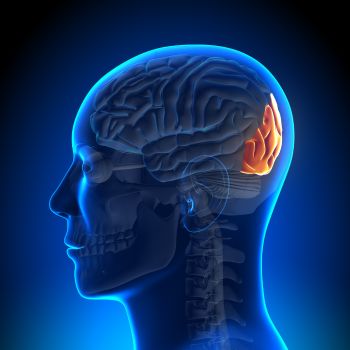
 The brain and eyes are intimately connected, and the nutrients essential for eye health are the same as for brain health. A retinal scan can detect the early onset of Alzheimer’s Disease, Parkinson’s Disease, and Multiple Sclerosis before symptoms appear.
Numerous studies have shown that dietary factors help prevent brain and eye disease. They have a critical effect on neuronal function and synaptic plasticity. Recent findings have shed light on key processes through which nutrition influences brain health and cognitive performance. Alongside lifestyle factors like physical activity, what we eat has played a significant part in the development of our mental abilities and the evolution of the human brain. Continue reading “Brain Health and Nutrition”
 Artificially sweetened sodas are popular, but research suggests their ingredients may have serious consequences for our health, especially when it comes to fatty liver disease, heart health, and brain function. In this article, we take a closer look at the latest studies on diet sodas, added sugars, and their surprising effects on everything from your gut microbiome to your risk for chronic disease. If you care about long-term wellness or want to make informed choices about what you drink, read on for the evidence and practical alternatives.
  Cognitive issues are not only affecting seniors as they are living longer, but a new study shows that more younger Americans, ages 10–39, are struggling with cognitive problems than just a decade ago. Issues include trouble concentrating, remembering, or making decisions.[1. Centers for Disease Control and Prevention. “Prevalence of Cognitive Disability Among Young and Older Adults — United States, 2011–2015.”]
 The kidneys play a crucial role in supporting brain health and maintaining optimal vision. In this article, we will examine the flow of vital energy in Traditional Chinese Medicine and look at the latest findings on Parkinson’s Disease. Find out how the intricate relationships between the kidneys, brain, and eyes can help you stay healthier as you age.
 Artificial sweeteners have long been marketed as a “healthier” alternative to sugar, especially for those managing diabetes, obesity, or simply aiming to cut calories. But as we explored in a
  Did you know your brain is capable of growing new cells and forging fresh connections, even as you age? The science of neurogenesis is reshaping our understanding of brain and eye health. Neuroplasticity isn’t just for kids! About 30 years ago, scientists began to acknowledge the brain’s amazing ability to adapt in all stages of life. In this article, we will discuss the science of neuroplasticity and how it impacts both the brain and the eyes. Also, we will talk about how neurogenesis regrows brain and eye tissue, and how it could improve eye conditions such as glaucoma. And, we will recommend nutrients that can help your brain build new connections and neurons.
  A new study has found a link between vascular diseases, specifically high blood pressure, diabetes, and increased risk for dementia. Vascular risk factors were higher in both female and Black participants, as well as non-carriers of the APOE ε4 gene, which is linked with an increased risk of Alzheimer’s.[1. https://jamanetwork.com/journals/jamaneurology/article-abstract/2834600]
 What are the connections between caffeine, coffee and eye health? Do the negatives outweigh the positives? This is a tricky question, given the contradictory research on this popular beverage. Coffee is high in antioxidants that have broad health benefits. However, coffee is typically acidic, which can cause stomach symptoms. The caffeine in coffee is a stimulant that increases alertness, but it can also cause energy crashes. Caffeine research has not yet pinpointed the ideal amount of caffeine for better health. According to Traditional Chinese Medicine, coffee can be helpful or harmful, depending on the constitution of the drinker.