 The brain and eyes are intimately connected, and the nutrients essential for eye health are the same as for brain health. A retinal scan can detect the early onset of Alzheimer’s Disease, Parkinson’s Disease, and Multiple Sclerosis before symptoms appear.
Numerous studies have shown that dietary factors help prevent brain and eye disease. They have a critical effect on neuronal function and synaptic plasticity. Recent findings have shed light on key processes through which nutrition influences brain health and cognitive performance. Alongside lifestyle factors like physical activity, what we eat has played a significant part in the development of our mental abilities and the evolution of the human brain. Continue reading “Brain Health and Nutrition”
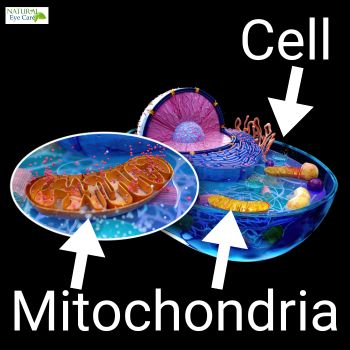 Keeping our cells healthy is key to staying well and helping to prevent disease. Your 30 trillion cells each contain mitochondria, the cell’s tiny “battery” and energy source. The main cause of death worldwide is non-communicable diseases such as heart disease, strokes, diabetes, cancer, chronic lung diseases, and brain diseases, including Alzheimer’s disease and dementia. Anything you do to keep your mitochondria healthy can mitigate these diseases, potentially extending life and increasing the quality of life. We have talked about how mitochondria work in some of our
  Visual detox refers to purifying the eyes of debris, toxins, and the effects of bad visual habits. Debris build-up can affect vision health and contribute to the onset of eye disease. These diseases can include eye irritation, effects on lacrimation related to dry eyes, glaucoma, and macular degeneration (AMD). Focusing too much on close-up computer screens leads to computer eye strain symptoms and reduces the free flow of energy to the eyes. As the eyes’ health is directly connected to whole-body well-being, we must look at detoxification from a whole-body perspective.
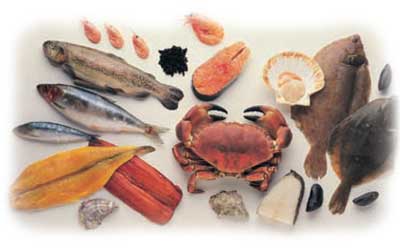
 DHA is one of the omega-3 fatty acids that nutritionists implore us to eat. Why are grilled salmon and canned tuna part of nearly every diet and nutrition plan? Fatty fish is just one good source of DHA and other crucial nutrients. Find out how omega-3 fatty acids reduce chronic inflammation and help prevent diseases such as macular degeneration (ARMD), glaucoma, and diabetes. Pregnant people need omega-3’s to help the fetus develop. How much omega-3 fatty acids should you eat? And how do you balance them with omega-6 fatty acids, found in refined foods and certain meats?
  In the article, we discussed several essential nutrients for the eye and overall health. This follow-up article focuses on several additional important nutrients: astaxanthin, PUFA’s (polyunsaturated fatty acids), and trehalose.
 The standard Western diet, with many processed foods, white grains, fats, sugars, preservatives, and flavorings lacks essential nutrients to support the retina. These non-beneficial components aggravate inflammation in the body – an underlying, and sometimes a direct cause of illness, premature aging, and cellular degeneration.