
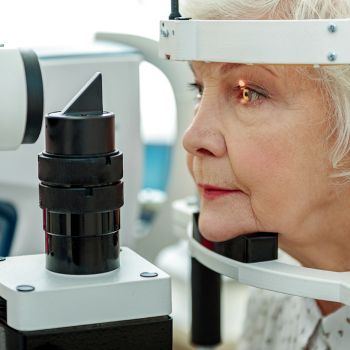
 January is Glaucoma Awareness Month—a time to shed light on an eye disease that is a leading cause of irreversible blindness in the US. Seniors are especially at risk. Glaucoma, often dubbed “the silent thief,” primarily impacts peripheral vision. Severe and untreated cases can lead to blindness. This stealthy eye disease can progress unnoticed until it is quite advanced, making early detection vital. While it predominantly affects older adults, glaucoma can occur at any age, underscoring the importance of regular, comprehensive eye exams. Find out about symptoms, screening, causes, and nutrients that fight glaucoma.
Glaucoma Facts
In the United States, around 4.22 million individuals are affected by glaucoma, with 1.49 million experiencing vision impairment due to the condition.
It’s estimated that 2.4 million people in the country have glaucoma that remains undiagnosed and untreated. Continue reading “Prevent and Support Glaucoma: The Silent Thief”
 Visual detox refers to purifying the eyes of debris, toxins, and the effects of bad visual habits. Debris build-up can affect vision health and contribute to the onset of eye disease. These diseases can include eye irritation, effects on lacrimation related to dry eyes, glaucoma, and macular degeneration (AMD). Focusing too much on close-up computer screens leads to computer eye strain symptoms and reduces the free flow of energy to the eyes. As the eyes’ health is directly connected to whole-body well-being, we must look at detoxification from a whole-body perspective.
 Food for the Brain
 Maintaining a healthy lifestyle is instrumental in preventing or even putting a stop to a loss of vision due to age. Especially when senior citizens are presented with debilitating eye conditions. They may suffer from depression, anxiety and fear. They notice that they no longer have a sense of balance and face the possibility of falling. Many are unaware that they can circumvent these conditions.
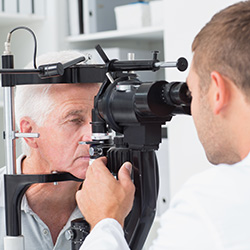 Getting a thorough eye exam has always been about more than reading letters off an eye chart. That is even truer today. One reason: We are harder on our eyes than ever before. Many of us spend hours each day staring and squinting at screens, developing digital eyestrain, and exposing our eyes to potentially damaging blue light.
 The world is changing. Our concepts of western medicine have shifted over the past 30 years. Today’s public wants a more comprehensive, integrated approach from health care providers.