
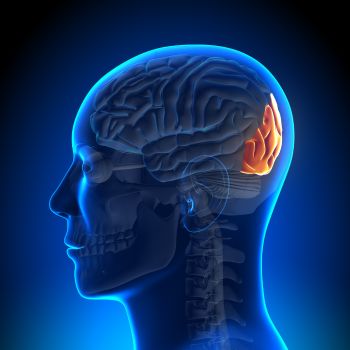
One important concept for maintaining eye health is understanding the eye-brain connection. This pathway starts with light entering the eye and ends when your brain makes sense of the visual world around you. Disruption or damage at any point in the pathway distorts your perception. Therefore, maintaining the health of each part of the eye-brain connection pathway ensures accurate perception. Your vision accounts for around 80% of your perceptions, learning, and thinking. Maintaining your vision as you age improves your quality of life. Consider how your ability to drive, watch television, read, prepare food, walk in nature, shop, and recognize friends and loved ones enables you to live independently and passionately. At Natural Eye Care, we want you to have the best chance at maintaining healthy vision throughout your whole life. Continue reading “Eye Brain Connection: The 5 Steps”
 The brain and visual system rely on a significant portion of the nutrients you consume to maintain optimal health and function. Supporting the connections between the body, mind, and eyes is key to promoting healthy vision, preserving brain health, and reducing the risk of age-related eye and brain diseases. This includes macular degeneration, glaucoma, and cataracts, plus dementia and Parkinson’s Disease.
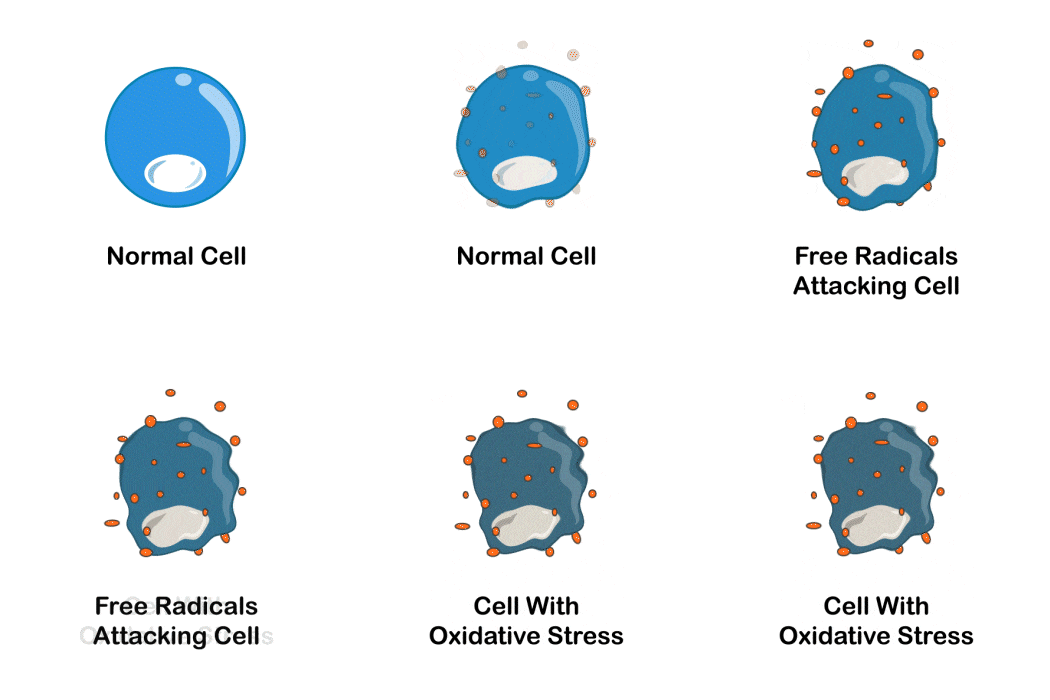 Oxidative stress significantly affects health and vision. It is a process in which free radicals are produced, leading to potential harm as these unstable molecules steal electrons from healthy cells. This oxidative damage can manifest visibly as aging skin and ocular changes, such as cataract formation. However, oxidation is not the only factor contributing to accelerated aging and eye conditions; poor circulation and insufficient essential nutrients also play important roles.
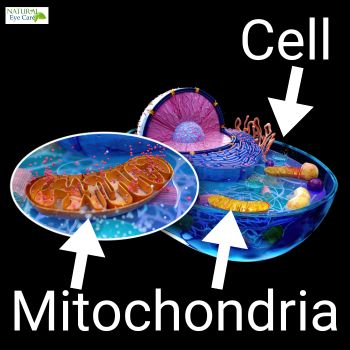 Keeping our cells healthy is key to staying well and helping to prevent disease. Your 30 trillion cells each contain mitochondria, the cell’s tiny “battery” and energy source. The main cause of death worldwide is non-communicable diseases such as heart disease, strokes, diabetes, cancer, chronic lung diseases, and brain diseases, including Alzheimer’s disease and dementia. Anything you do to keep your mitochondria healthy can mitigate these diseases, potentially extending life and increasing the quality of life. We have talked about how mitochondria work in some of our
  Physical exercise is vital for eye health and overall health. Research shows the positive impacts of exercise on common eye conditions. What is the intricate relationship between exercise and eye health? Can regular physical activity reduce the risk of age-related eye diseases? What role does nutrition play? And, can physical exercise help stave off neurological disease, heart disease, and other chronic illnesses associated with aging? At Natural Eye Care, we want to support you with knowledge and practical tips for getting the exercise you need.
  Dry eyes are among the most prevalent issues reported by our customers and patients. Women experiencing perimenopause and menopause frequently have dry eyes. However, it is increasingly observed across all age groups, largely attributable to prolonged use of digital devices such as computers, laptops, tablets, and smartphones. [1. Stapleton F, Alves M, Bunya VY, et al. TFOS DEWS II epidemiology report. Ocul Surf. 2017;15(3):334–365.] [2. LeBlanc AG, Gunnell KE, Prince SA, Saunders TJ, Barnes JD, Chaput J-P. The ubiquity of the screen: an overview of the risks and benefits of screen time in our modern world. Transl J Am Sports Med. 2017;2(17):104–113.] This extended screen time alters blinking patterns over time and exposes us to environmental pollutants, contributing to the development of dry eye symptoms and meibomian gland dysfunction.
  At Natural Eye Care, we view vision health from a whole-body perspective. Eye studies can reveal how to manage the visual system. However, the health of the eyes is connected to overall health. The visual system requires as much as 25% of the nutrients we take into our bodies. The brain needs even more. How we take care of ourselves goes a long way in helping to preserve healthy vision. Personal care includes emotional balance, and lifestyle considerations such as eating a healthy diet, exercising regularly, and targeted supplementation.
 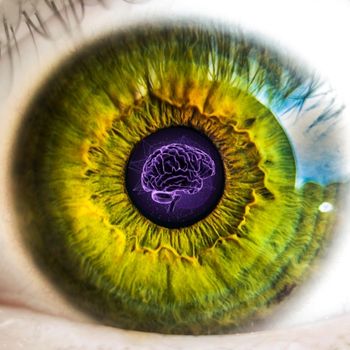 The eyes and the brain are more closely linked than you might realize. Amyloid-beta plaque, the hallmark of Alzheimer’s disease, starts building up in the eyes for a long time before obvious symptoms of dementia appear. Early detection of this brain disease is crucial for slowing its progression. Doctors can screen for Alzheimer’s disease by running a retinal scan. Why? The eyes are neural tissue. Therefore, what is good for the eyes is also good for the brain.
 New research studies have found strong relationships between lifestyle and the aging brain. How can you help prevent or delay Alzheimer’s Disease and other forms of dementia? The eye’s retina is brain tissue. Not surprisingly, researchers have found connections between Alzheimer’s Disease, glaucoma, and lifestyle. What does the new research show? Are nutrition, supplements, exercise, and smoking avoidance shown to help?
 Did you know that untreated high blood pressure increases the risk, not only of heart attacks and strokes, but eye conditions such as advanced macular degeneration, glaucoma, and macular edema?