
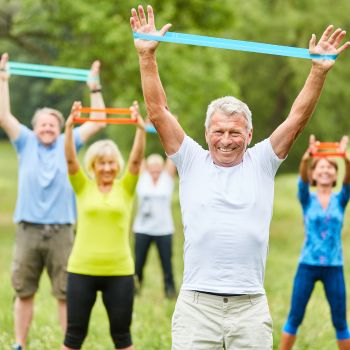
 Physical exercise is vital for eye health and overall health. Research shows the positive impacts of exercise on common eye conditions. What is the intricate relationship between exercise and eye health? Can regular physical activity reduce the risk of age-related eye diseases? What role does nutrition play? And, can physical exercise help stave off neurological disease, heart disease, and other chronic illnesses associated with aging? At Natural Eye Care, we want to support you with knowledge and practical tips for getting the exercise you need. Continue reading “Physical Exercise Reduces Eye Disease and Dementia”
Category: Tai Chi
Study: How Does Glaucoma Influence Patients’ Lives?
In addition to significantly compromising vision, glaucoma is a disease that also takes an emotional toll, according to a new study in the April issue of the Journal of Advanced Nursing.
This study of 24 Chinese individuals with glaucoma showed that there are many fears associated with the disease including concerns about blindness and how the condition may effect other family members. Many who were on medication, such as eye drops, were found to be self-administering them incorrectly.
Despite the relatively common nature of glaucoma in China, study participants knew little about the disease before they were diagnosed, leading researchers to conclude that there needs to be more public education about glaucoma as well as increased support available to those who have received a glaucoma diagnosis.
According to the source for this story, Science Daily, “Some used traditional Chinese herbs like Wolfberry and Ginseng and the martial art of Tai Chi to help manage their condition. Others avoided spicy food to keep their condition stable. [According to one participant,]”Some food will get you into trouble like seafood and leek. They contain too much Yang, which can do harm to the eyes.”
At Natural Eye Care we believe strongly in both the power of traditional Chinese medicine and the power of food to help heal eye conditions. Learn more about our prevention protocol, which includes a proper diet and the practice of a calming activity like Tai Chi.
Tai Chi Helps Seniors’ Balance and Reduces Falls
At Natural Eye Care, we recommend stress reduction techniques as a way to promote eye health. At the top of our list is the practice of tai chi. Not only does tai chi help to calm the mind and the body, it has also been shown to prevent falls in older adults.
A study in the journal Alternative Therapies offers a review of several studies that describe the efficacy of a regular tai chi practice for older adults looking to improve balance and, as result, reduce the risk of injury from falls. Researchers concluded that tai chi does reduce fall risks but that more research is necessary to determine what kind of tai chi is most effective. Source: Alternative Therapies
Learn more about how to prevent and treat eye disease at our website.
Tai Chi Relieves Fibromyalgia Suffering
We have always advocated practicing such meditative, relaxing techniques like tai chi to encourage eye health.
A new study published in The New England Journal of Medicine has found that the gentle, flowing poses of tai chi may significantly the physical and mental afflictions of fibromyalgia. Compared to other fibromyalgia sufferers who took a health education class followed by stretching, a group of patients who took a twice weekly tai chi class demonstrated less pain, fatigue, morning tiredness, stiffness, depression, anxiety, and difficulty at work. Those who practiced tai chi reported better physical functioning and greater overall well-being.
Most compelling? Thirty-five percent of the tai chi participants were able to stop taking their pain medications; only 15 percent of the control group were able to do so.
Explore our resources on Vision Wellness for more tips on healthy living with fewer medications.
Stroke Survivors Can Improve Balance with Tai Chi
 A new study finds that stroke survivors can improve their balance by practicing the Chinese martial art of tai chi, lessening the risk of a serious fall. Tai chi consists of constant coordinated movement of the head, torso and limbs requiring concentration and balance control.
The study looked at 136 participants in Hong Kong who had suffered a stroke more than six months earlier. Participants were randomly assigned to a tai chi group or to a control group that practiced breathing, stretching and other exercises that involved sitting, walking, memorizing and reasoning.
Participants in the tai chi group were trained in small groups by physical therapists in a weekly class, then practiced at home three days a week for one hour. All participants were then tested for their ability to maintain balance while shifting weight, leaning in different directions, and standing on moving surfaces to simulate a crowded bus. In these tests the tai chi group out-performed the control exercise group, showing significant improvement in just six weeks.
Christina Hui-Chan, professor and head of physical therapy at University of Illinois at Chicago, promotes tai chi as a way to improve balance and minimize falls among healthy elderly subjects. She reports that the benefits of tai chi also include improved strength and cardio fitness. In addition, group classes provide a healthy social gathering for isolated seniors at a fraction the cost of physiotherapy or personal training.
SOURCE: Stroke Survivors Improve Balance With Tai Chi,
ScienceDaily, Mar. 24, 2009, https://www.sciencedaily.com/releases/2009/03/090323110458.htm