
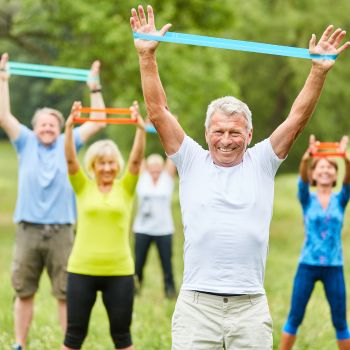
 Physical exercise is vital for eye health and overall health. Research shows the positive impacts of exercise on common eye conditions. What is the intricate relationship between exercise and eye health? Can regular physical activity reduce the risk of age-related eye diseases? What role does nutrition play? And, can physical exercise help stave off neurological disease, heart disease, and other chronic illnesses associated with aging? At Natural Eye Care, we want to support you with knowledge and practical tips for getting the exercise you need. Continue reading “Physical Exercise Reduces Eye Disease and Dementia”
Category: Yoga
Eye Studies Reveal Natural Eye Care Effectiveness
 At Natural Eye Care, we view vision health from a whole-body perspective. Eye studies can reveal how to manage the visual system. However, the health of the eyes is connected to overall health. The visual system requires as much as 25% of the nutrients we take into our bodies. The brain needs even more. How we take care of ourselves goes a long way in helping to preserve healthy vision. Personal care includes emotional balance, and lifestyle considerations such as eating a healthy diet, exercising regularly, and targeted supplementation. Continue reading “Eye Studies Reveal Natural Eye Care Effectiveness”
Glaucoma Tips Based on Current Research Studies
 Lifestyle can have a significant impact on the progression of glaucoma. Patients should follow their ophthalmologist’s advice. Also, research has shown that certain behavioral changes can help preserve vision. Natural Eye Care offers these tips.
Get Moving to Fight Glaucoma
If you are sedentary and have a glaucoma diagnosis, you can expect strong benefits from becoming active. A meta analysis[1. Clin J Sport Med. 2014 Sep;24(5):364-72. doi: 10.1097/JSM.0000000000000073. Reductions in intraocular pressure after acute aerobic exercise: a meta-analysis. By Roddy G et. al.] showed that exercise reduced intraocular pressure in patients. The effect was largest on those who were sedentary Continue reading “Glaucoma Tips Based on Current Research Studies”
Head-down Yoga Positions Could Aggravate Glaucoma
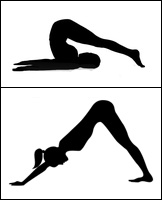 Yoga is generally considered a perfect exercise for overall health; however, head-down positions may be harmful to glaucoma patients. A small study at a yoga studio found that positions that put the head downward increased intraocular pressure. The positions studied were Adho Mukha Svanasana, Uttanasana, Halasana and Viparita Kirani.
Intraocular pressure is associated with glaucoma, a serious and degenerative eye disease. During a standard eye exam, this pressure is often used as a screening. Continue reading “Head-down Yoga Positions Could Aggravate Glaucoma”
Yoga Improves Balance and Reduced Fall Risks for Stroke Survivors
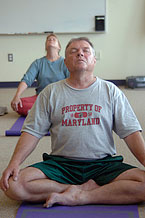
Preliminary research shows that a regular yoga practice can help stroke patients recover more effectively.
A study of 20 stroke survivors of an average age of 66 engaged in twice weekly yoga classes for two months. It was found that the participants balance improved. Researchers also found that a practice of yoga could help prevent potentially dangerous falls.
On the whole, balance scores increased by 17% on the Berg Balance Scale and by 34% on the Fullerton Balance Scale. It is important to not that the average score was upped from 40 to 47 on the Berg Balance Scale, which means that the individuals were no longer on the “high risk” list when it comes to falls.
These findings were presented at he American College of Sports Medicine Annual Meeting in Denver; they have not yet undergone full peer review. Source: WebMD
We recommend a yoga practice or other regular stress relieving activity as part of a healthy eye regimen. Yoga can even help improve your overall sense of vision – check out Dr. Grossman’s DVD, Yoga & Vision Improvement.
High Stress Can Lead to Glaucoma: Tips to Reduce Stress
Most individuals with undiagnosed glaucoma do not notice any symptoms the condition is somewhat advanced. Technically, glaucoma is due to damage to the optic nerve, sometimes as a result of increased pressure of the aqueous humor – the clear, watery fluid that circulates in the chamber of the eye between the cornea and the lens.
Stress
Stress has been determined to be a major cause of chronic glaucoma. Stress causes us to breathe shallowly, which reduces the amount of oxygen in the bloodstream, causing venous backflow in the head. This process effects the eyes’ ability to revolve ocular fluids, which in turn increases eye pressure. Although we do not know exactly how the optic nerve is damaged in glaucoma, one common factor in all cases of glaucoma is a lack of blood flow to the retina and optic nerve. This lack of blood flow results in retinal nerve cell death, enlargement of the optic cup, and an eventual loss of vision.
Here are a few suggestions for those who are trying to reduce stress in their lives:
- Exercise regularly
- Take walks in nature
- Practice yoga or tai chi
- Engage in prayer or meditation daily
Nutrition
Sufferers of glaucoma are often deficient in some or many of the important nutrients including essential fatty acids, lutein, zeaxanthin, taurine, alpha lipoic acid, antioxidants, bioflavonoids, zinc, selenium, vitamin B-complex.
Yoga
Regular exercise is key to managing and preventing eye disease. Many with glaucoma have concerns about their intraocular pressure (eye pressure) and allowing their heads to be below their hearts, as is common in yoga’s common inversion poses. Those you might need to avoid include downward facing dog, head and shoulder stands, and any poses that require you to touch your toes while in a standing position.
Livestrong.com offers this tip for practicing a modified forward bend:
You can still enjoy the benefits of wide-legged forward bend by modifying how you practice it. Place a chair against a wall with the seat facing toward you. Hold your feet wide apart and keep them parallel. Lean slightly forward to keep your hips above your legs rather than behind your heels. Rest your forearms on the chair seat. Breathe deeply for 10 to 15 breaths, feeling an inner thigh and groin stretch and relaxing your back. Certified advanced Iyengar instructor Dean Learner emphasizes that modified forward bends should be part of your regular yoga practice. Source: www.livestrong.com