
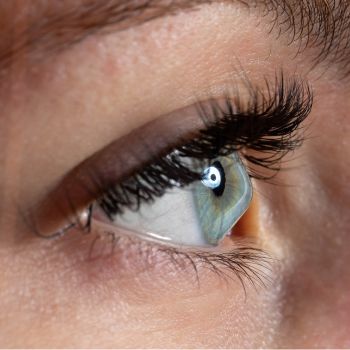
The cornea provides most of the eye’s focusing power—about four-fifths of incoming light is bent here. Unlike most tissues, it is transparent and contains no blood vessels, serving as the eye’s “window.” It is also richly supplied with pain-sensitive nerves. Because of that, corneal issues typically cause eye pain, light sensitivity, and changes in tearing—either too little or too much.
A tooth implant in the cornea can help restore vision in cases where severe forms of corneal damage have resulted from a chemical burn, a fire or explosion, or an autoimmune reaction where the immune system attacks the eye. Continue reading “Amazing Cornea Facts: Tooth Implant Restores Sight”
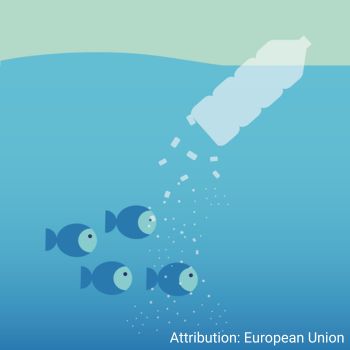 When tiny plastic particles pollute the ecosystem, can they cause harm? If so, can you do anything? At Natural Eye Care, we have mined the research on the effects of microplastics and nanoplastics on human health. Read on to find out what they are, how they affect living organisms, and how to reduce your exposure.
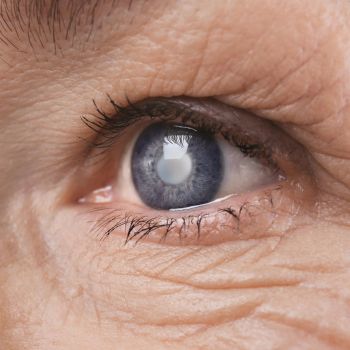 Cataracts are a condition where the lens of the eye becomes cloudy. They are common among seniors. Symptoms include:
 What is the relationship between brain health and eye health as we age? Our brains adapt and form new connections throughout our lives. Nutrition, lifestyle choices, and early detection play major roles in keeping the brain healthy, and the eyes. Find out about Natural Eye Care’s holistic approach to brain and eye health.
  At Natural Eye Care, we view vision health from a whole-body perspective. Eye studies can reveal how to manage the visual system. However, the health of the eyes is connected to overall health. The visual system requires as much as 25% of the nutrients we take into our bodies. The brain needs even more. How we take care of ourselves goes a long way in helping to preserve healthy vision. Personal care includes emotional balance, and lifestyle considerations such as eating a healthy diet, exercising regularly, and targeted supplementation.
 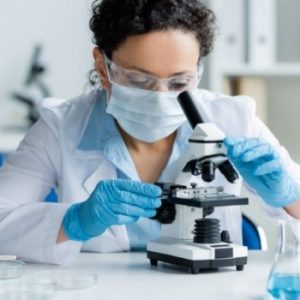 Researchers have noticed that patients with severe or fatal covid-19 are usually deficient in the amino acid and powerferful antioxidant, glutathione.
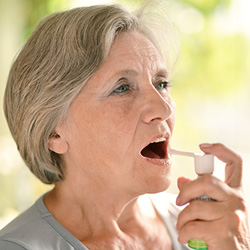 Glutathione is rather amazing – low levels are biomarkers for various conditions and it is a “super antioxidant.”
 What is so special about glutathione? This amino acid is considered a super antioxidant. It is one of the few nutrients that can neutralize the full spectrum of free radicals in the body. Free radicals are molecules missing an electron in the outer orbit; they ‘steal’ an electron from a healthy cell causing that cell to atrophy and die. Glutathione has an extra electron, binds with free radicals, and neutralizes them.
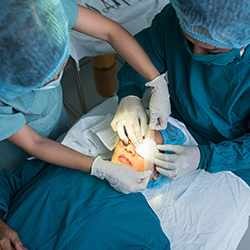 Cataracts are one of the most common eye conditions among seniors. A cataract results in clouding the vision, and eventually causes blindness if not treated. The conventional approach to cataracts is to wait and see if it gets worse. When a cataract is advanced, an eye surgeon usually offers cataract surgery. Cataract surgery uses artificial lenses that correct any clouding due to a cataract. It can correct certain refraction errors at the same time. However, not everyone is a good fit for this treatment. Which nutrients help promote healthy lenses and overall eye health? What does recent research into cataract pharmacotherapy show? And, which combinations of nutrients are the most effective for lens support?