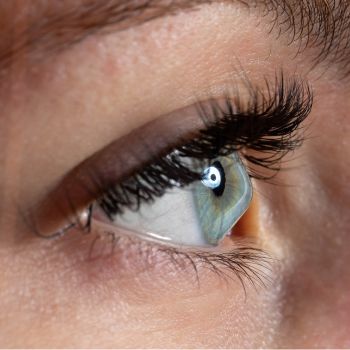
The cornea provides most of the eye’s focusing power—about four-fifths of incoming light is bent here. Unlike most tissues, it is transparent and contains no blood vessels, serving as the eye’s “window.” It is also richly supplied with pain-sensitive nerves. Because of that, corneal issues typically cause eye pain, light sensitivity, and changes in tearing—either too little or too much.
A tooth implant in the cornea can help restore vision in cases where severe forms of corneal damage have resulted from a chemical burn, a fire or explosion, or an autoimmune reaction where the immune system attacks the eye. Continue reading “Amazing Cornea Facts: Tooth Implant Restores Sight”
 The cornea plays a crucial role in our vision. It is the transparent tissue at the front of the eyeball where light enters the eye. Approximately 65% to 75% of the refraction of light occurs in the cornea. The cornea also protects against external threats and harmful UV radiation. However, this vital part of our eye is constantly under siege. The cornea faces oxidative stress daily due to its high exposure to light and intense metabolic activity. The main culprit is ultraviolet radiation from the sun, which triggers the formation of Reactive Oxygen Species (ROS). These harmful free radicals can wreak havoc on the cells if not kept in check by antioxidants. While the cornea absorbs all UVC and most UVB rays, UVA rays are primarily absorbed by the lens.
 Dry eyes are among the most prevalent issues reported by our customers and patients. Women experiencing perimenopause and menopause frequently have dry eyes. However, it is increasingly observed across all age groups, largely attributable to prolonged use of digital devices such as computers, laptops, tablets, and smartphones. [1. Stapleton F, Alves M, Bunya VY, et al. TFOS DEWS II epidemiology report. Ocul Surf. 2017;15(3):334–365.] [2. LeBlanc AG, Gunnell KE, Prince SA, Saunders TJ, Barnes JD, Chaput J-P. The ubiquity of the screen: an overview of the risks and benefits of screen time in our modern world. Transl J Am Sports Med. 2017;2(17):104–113.] This extended screen time alters blinking patterns over time and exposes us to environmental pollutants, contributing to the development of dry eye symptoms and meibomian gland dysfunction.
  The cornea is in front of the lens. It is a clear layer, seeming to lack substance. However, it is comprised of multiple layers and groups of cells and proteins which are highly organized.
 Three time-tested supplements stand out as champions for eye and brain health: garlic, ginseng, and ginkgo. Research on these supplements backs up why they have been used for thousands of years. Garlic plays an important role in all three major traditional medicines–Traditional European Herbal Medicine, Ayurveda, and Traditional Chinese Medicine. Ginseng and ginkgo are crucial herbs in Traditional Chinese Medicine. Do these supplements work? Are they beneficial for aging brains and eyes? What does the research show?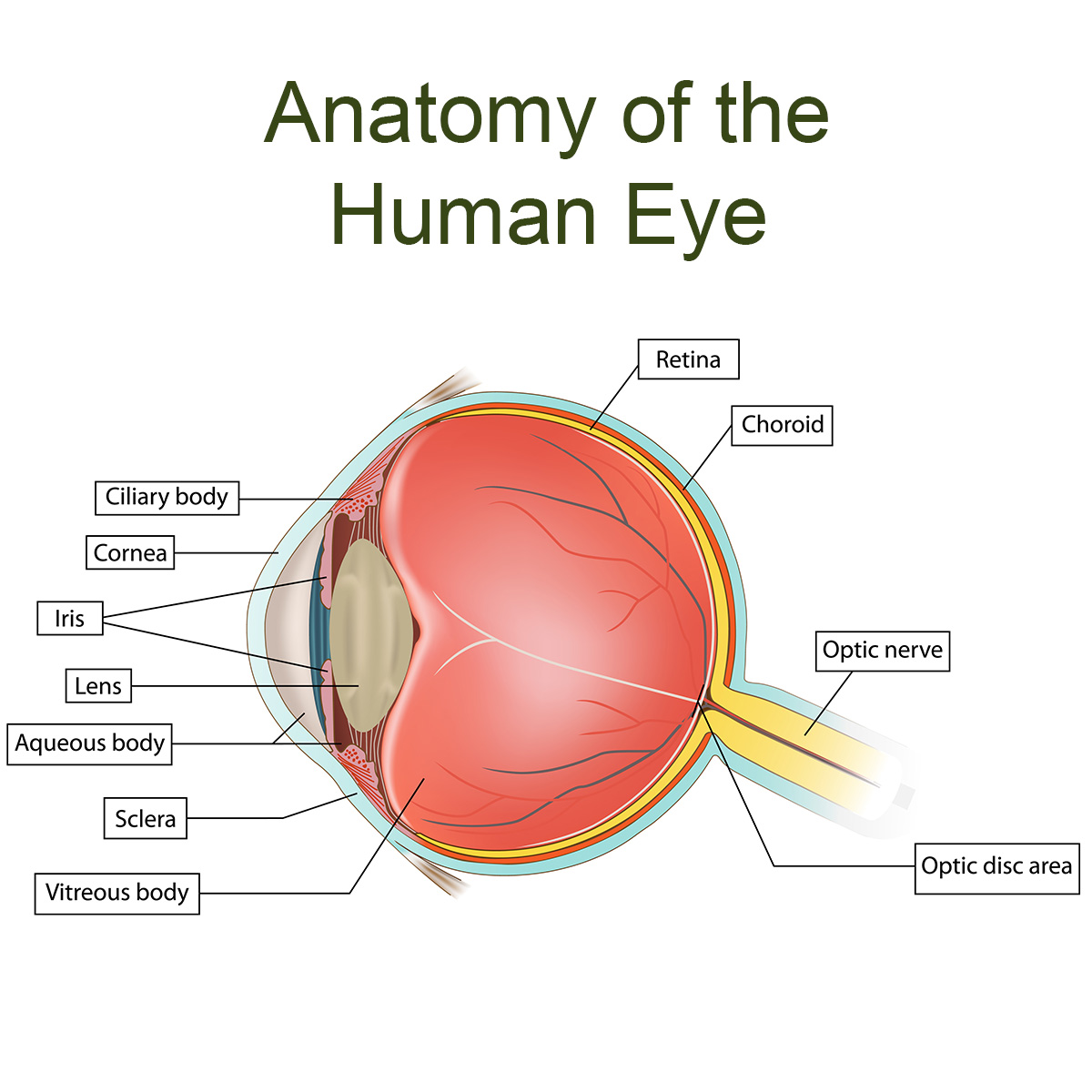
 Corneal abrasions are scratches on the outermost part of the eye. Sometimes a painful injury is the clear cause. Other times, symptoms can build slowly over a few hours. A corneal abrasion causes so much discomfort that sufferers should seek medical care quickly. The scratch can become infected and cause serious damage in as little as 24 hours. Therefore, recognizing a corneal abrasion could save your sight.
 Have you ever heard that your eyes need plenty of nutrition? It’s true, and research backs this up. But did you know that the Standard American Diet tends to be very low in some eye-essential nutrients? The eyes are the second most physiologically active part of our body (#1 is the brain). At Natural Eye Care, we believe the eyes require approximately 25% of the nutrients we take into our body, if we eat a healthy diet. Even though most Americans consume enough calories, we may still have poor nutrition for the eyes. No wonder Macular Degeneration, cataracts, glaucoma, optic nerve