
 Poor night vision or night blindness can be a life-limiting symptom. Night blindness can be caused by either an inherited or acquired reason. Poor night vision disorders (night blindness, impaired dark adaptation, etc.) include the experience of reduced vision in dimly lit environments, including at night. They include partial or complete impairment in ability of the eyes to adapt from brightness to darkness. It is not a disease in itself, but rather a symptom of an underlying problem, usually located in the retina. It is common for patients who are myopic (nearsighted) to have some difficulties with night vision, but this is due to optical issues rather than to a retinal condition. Symptoms include difficulty driving at night, tripping over objects when walking in the dark, and slow response when light conditions change (such as entering a dark movie theater). Photoreceptor cells in the retina allow you to see in dim lighting. When they malfunction, vision in dark conditions becomes difficult.
The photoreceptors called “rod cells” are mainly responsible for night vision. Rods can detect single photons and transmit that data to rod bipolar cells. This makes dim light information more usable to the brain. Continue reading “Poor Night Vision: What Can You Do?”
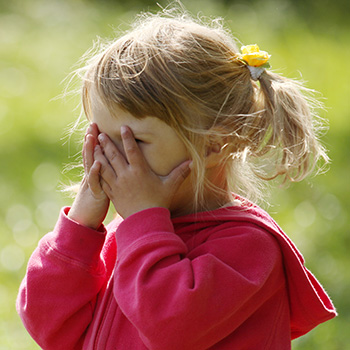 Photophobia literally means “fear of light,” but it just means that you are overly sensitive to light. Light sensitivity might be temporary, but it can be an indicator or symptom of another problem.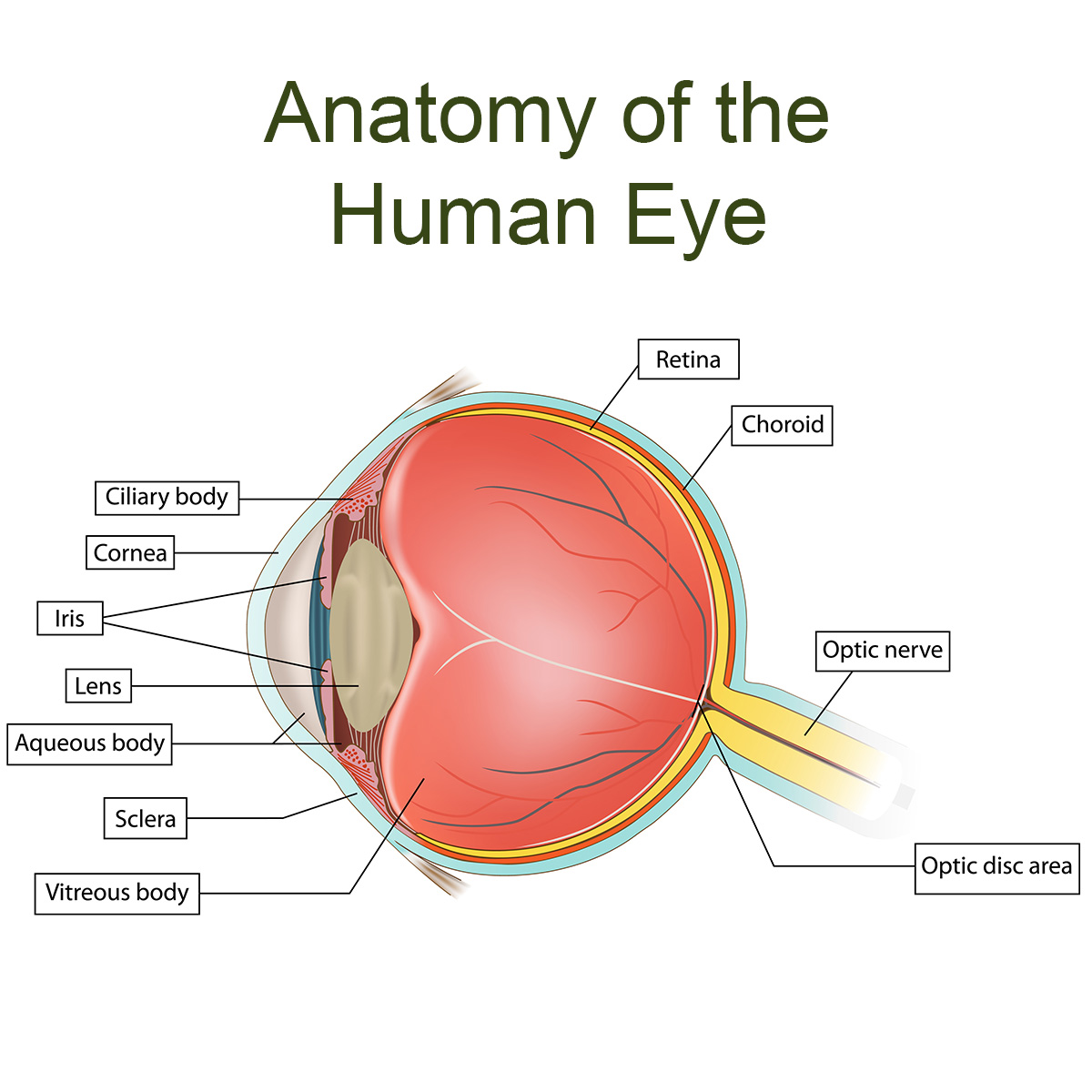
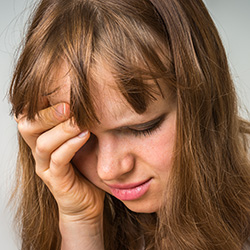 Corneal abrasions are scratches on the outermost part of the eye. Sometimes a painful injury is the clear cause. Other times, symptoms can build slowly over a few hours. A corneal abrasion causes so much discomfort that sufferers should seek medical care quickly. The scratch can become infected and cause serious damage in as little as 24 hours. Therefore, recognizing a corneal abrasion could save your sight.
 When eye injuries occur, eye first aid can prevent blindness and vision loss. Eye injuries can be inconsequential or life-changing. Know what to do with each type of eye injury. Also learn how to prevent injuries to the eyes. Most eye injuries can be prevented with protective eyewear. You should keep certain items on-hand in case of eye injuries.
 Everyone is sensitive to light to some degree, but light sensitivity, or photophobia is an abnormal intolerance for light. Discomfort can be experienced from light sources such as sunlight and fluorescent or other artificial lights. It may cause the person with light sensitivity to squint or to have to close their eyes. It can cause pain and/or tears. In some cases, this may be accompanied by a headache.
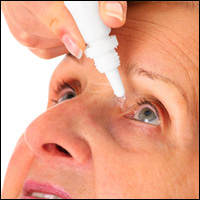 Sjogren’s syndrome is an autoimmune disorder of the rheumatoid type. Rheumatoid type diseases are characterized by inflammation and pain, dry eyes and a dry mouth. There are two types. In Primary Sjogren’s syndrome, the disorder occurs without the presence of an accompanying autoimmune disorder. In Secondary Sjogren’s syndrome, it occurs in conjunction with another autoimmune disorder.