
 Spring brings the revival of vibrant flowering plants and an increase in pollen and plant-related allergies. Seasonal allergies are also called allergic rhinitis and hay fever. Symptoms affect the eyes of an estimated 40–60% of allergy-prone individuals. Eye-related allergic reactions range from mild discomfort to severe cases that may impair visual function, significantly impacting quality of life. Common symptoms include red, itchy eyes, swollen sinuses, and excessive tearing. Allergic rhinitis is your immune system trying to protect you by reacting to a foreign substance. However, allergens such as pollen are not inherently harmful. Therefore, hay fever is an immune system overreaction that can make you feel miserable. Continue reading “Seasonal Allergies Lead to Red Eye, Orbital Cellulitis or Dry Eye Disease”
Category: Conjunctivitis (pink eye)
Your Eyelids: Styes, Blepharitis, and more.
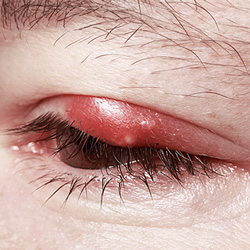 Natural Treatments for the Eyelid
For mild cases of chalazion, styes, pterygium, and blepharitis, the following are ways to naturally treat these conditions. If these issues are persistent or affecting your vision, be sure to get seen by your eye doctor.
Note that our EyeEase Formula 2 fl oz is back in stock.
Stye
A stye is a red, painful lump near the edge of your eyelid that may look like a boil or a pimple with a white dot in the center. They are the result of a bacterial infection, often a staph infection. They’re very common and most people have one at some time. Continue reading “Your Eyelids: Styes, Blepharitis, and more.”
COVID-19 and Your Vision
 The U.S. Centers for Disease Control and Prevention tells us to avoid touching our eyes, nose, mouth, or anywhere on the face with unwashed hands. This should help prevent us from contracting Coronavirus 19 (COVID-19).
Learn about important updates as scientists learn more about how COVID impacts the eyes.
Continue reading “COVID-19 and Your Vision”
Can a Face Shield Protect My Eyes from Coronavirus/COVID-19?
 Many of us wear a mask to reduce the spread of COVID-19, but could eye protection such as a face shield also help? Science is close to proving connections between coronavirus SARS-CoV-2 and the eye. When may it be helpful to shield the eyes?
The Eyes and the Coronavirus
Other viruses are known to infect the tissues covering the whites of the eye and inside the eyelid – the conjunctiva. Most of the conjunctiva is exposed to the air, and thus vulnerable to viral attack. Some COVID-19 patients have SARS-CoV-2 infections in the eyes. The virus may have entered the body through this conjunctivitis. To attack the eye, the virus needs to attach to certain types of cells. Continue reading “Can a Face Shield Protect My Eyes from Coronavirus/COVID-19?”
Which Parts of the Eyes Are Associated with Which Eye Diseases?
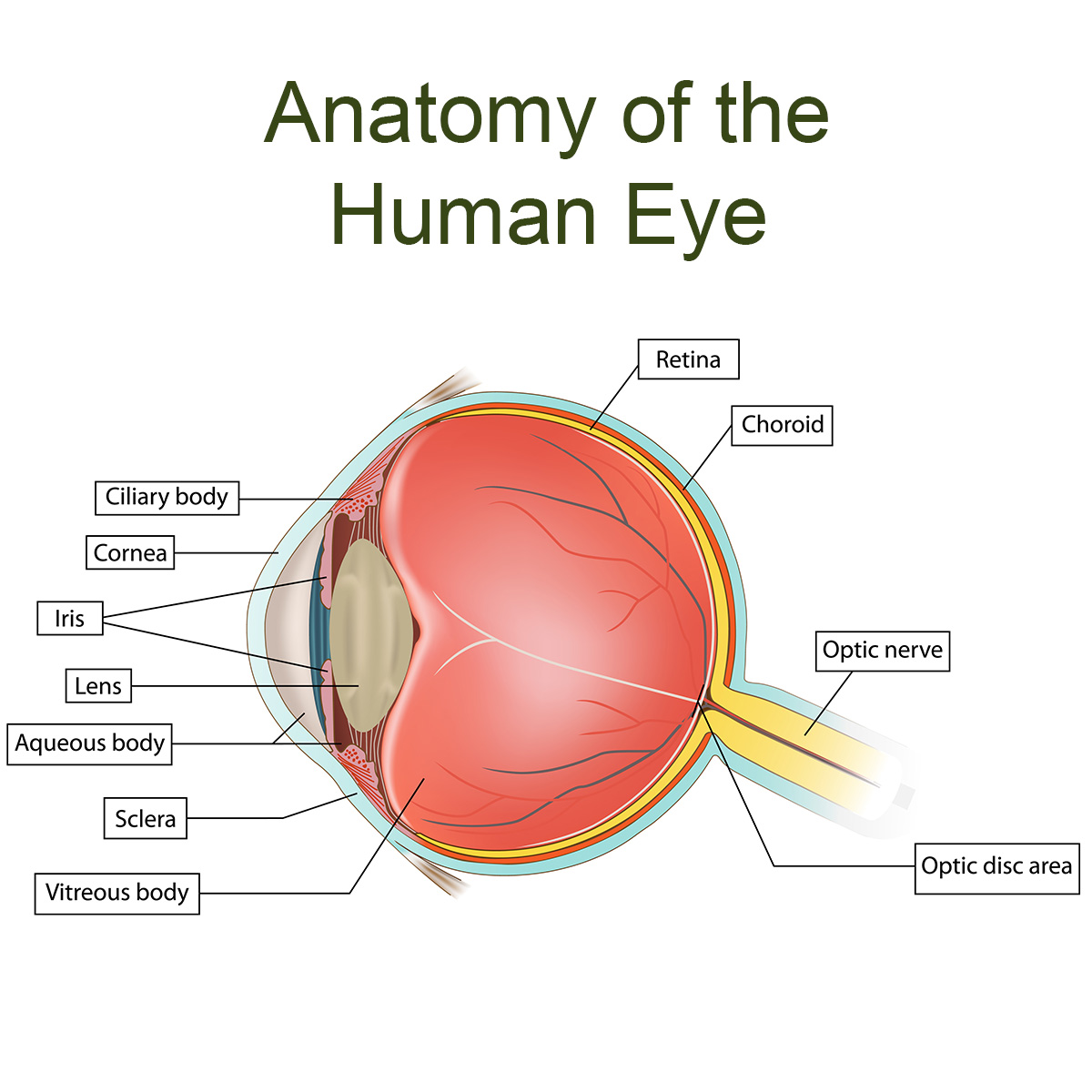 The eyes are small, but they have many parts including the eyelids, sclera, cornea, lens, optic nerve and retina. We depend heavily on our vision. When something goes wrong, the eyes are disproportionately affected. For example, a senior at risk of heart disease is also at risk of an ocular arterial or vein occlusion. Also, the macula requires a yellow-colored nutrient (lutein and zeaxanthin) found in certain vegetables such as green leafy vegetables, red, yellow and green peppers, corn and eggs. And antioxidants found in fresh fruits and vegetables have been shown to reduce oxidative eye damage and eye disease. Continue reading “Which Parts of the Eyes Are Associated with Which Eye Diseases?”
Two Eye Washes for Irritated Eyes
 Eye washes provide natural relief for irritated, inflamed eyes. Natural Eye Care recommends eye washes for a wide variety of eye conditions. Good lid hygiene can both soothe and prevent eye irritation.
Eye irritation can be caused by conjunctivitis, bacterial or viral infections, dry eyes, hormonal changes, allergies, drug side-effects, dehydration, excessive screen time, Continue reading “Two Eye Washes for Irritated Eyes”
Pleo-MUC Mecokehl Eye Drops Indicated for Cataracts, Glaucoma, Dry Eye & Conjunctivitis
 A homeopathic eye drop called Pleo-MUC (Mucokehl) is designed to increase circulation and reduce congestion in the eye. The drops are aimed at helping dry, irritated eyes. They are indicated for cataracts, glaucoma, dry eye syndrome and conjunctivitis.
Homeopathy uses a dilution of certain substances to counteract a condition or disease. This technique was founded by Samuel Hahnemann in Germany in 1796. Based on the principle of “like cures like,” the substances that cause disease in a healthy person are given in a highly diluted formula to people with the health condition. Only a few molecules, or none, of the original substance are in a homeopathic remedy, but what is left is the energy stamp of the nutrient. When taken by an individual, they help support the body’s natural healing process related to that person’s health issue. Continue reading “Pleo-MUC Mecokehl Eye Drops Indicated for Cataracts, Glaucoma, Dry Eye & Conjunctivitis”
Eyebright Fights Microbes and Inflammation
 European researchers have been looking at what makes eyebright tick and why it has long been regarded in traditional folk medicine as a helpful herb for eye conditions. Turns out that eyebright supports more than eye health. Wikipedia describes eyebright as having possible benefits not only for blepharitis and conjunctivitis, but for eye strain, colds and sinus infections, allergies and hay fever and sore throats and coughs.
Anti-Microbial Action
Eyebright has anti-microbial action and is more effective in concentrations of at least 512 micrograms per milliliter against a number of nasty microbes associated with eye infections.
Continue reading “Eyebright Fights Microbes and Inflammation”
Iritis – Minor Irritation or Major Warning?
 Iritis is a common diagnosis that literally means “inflammation of the iris,” the colored part of the eye. Anterior uveitis is a more technical term for iritis. There are many possible causes, and sometimes the cause cannot be identified. Due to the complexity of the vision system, any suspected case of eye inflammation should be examined by an optometrist, ophthalmologist or medical doctor. Most of the time, iritis resolves in less than 6 weeks; however, iritis can reoccur. It can signal acute or chronic underlying disease in the body, and therefore should be cared for by a qualified healthcare professional. Without proper treatment, iritis can lead to cataracts, glaucoma, an irregularly sized and sluggish pupil, calcium deposits in the cornea, central serous choroidopathy, or retinal swelling (cystoid macular edema). Continue reading “Iritis – Minor Irritation or Major Warning?”
Eye Infections: A Guide to Keratitis, Pink Eye (Conjunctivitis) and More
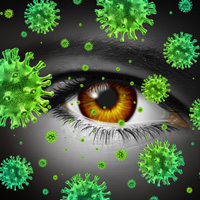 Eye infections are a result of invasion of any part of the eye by disease-causing microorganisms. These include certain pathogens that can invade the eyelid, the conjunctiva, the cornea and, in severe and serious cases, inner parts of the eye as well. Eye infections can affect one or both eyes. Although an eye infection can seem mild, it is important to get proper diagnosis and treatment to prevent potentially serious injury to the eye.
Types of Eye Infections
Pink Eye or Conjunctivitis – In the Western Continue reading “Eye Infections: A Guide to Keratitis, Pink Eye (Conjunctivitis) and More”