
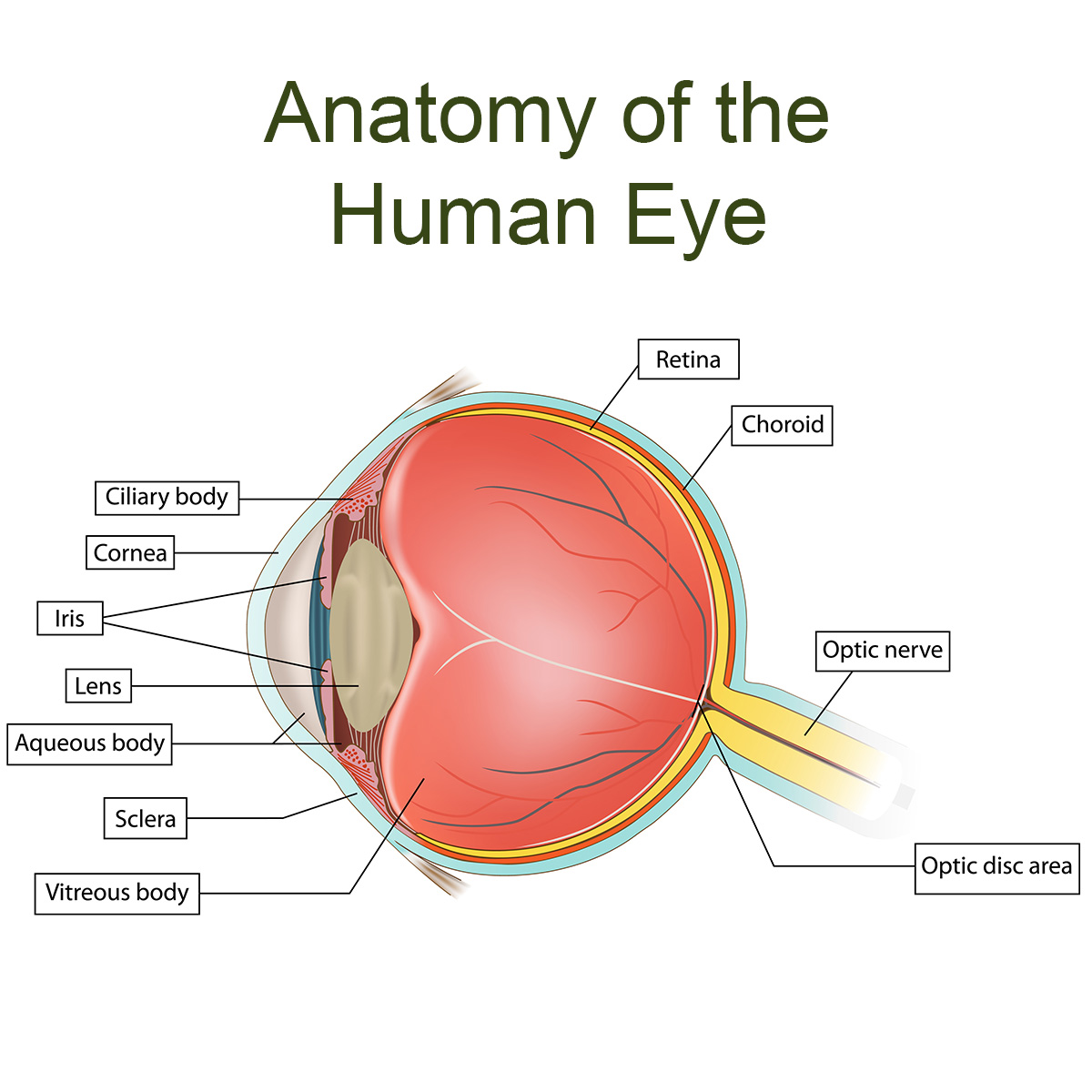
 The eyes are small, but they have many parts including the eyelids, sclera, cornea, lens, optic nerve and retina. We depend heavily on our vision. When something goes wrong, the eyes are disproportionately affected. For example, a senior at risk of heart disease is also at risk of an ocular arterial or vein occlusion. Also, the macula requires a yellow-colored nutrient (lutein and zeaxanthin) found in certain vegetables such as green leafy vegetables, red, yellow and green peppers, corn and eggs. And antioxidants found in fresh fruits and vegetables have been shown to reduce oxidative eye damage and eye disease. Continue reading “Which Parts of the Eyes Are Associated with Which Eye Diseases?”
Category: Astigmatism
Eye Screening Tests for Pre-Teens May Not Be Effective
When a middle school student goes in for an eye exam it is likely that the tests will do a fine job of detecting myopia (or nearsightedness), but there is a good chance it will miss other conditions like hyperopia (farsightedness) or astigmatism.
A study published in the Archives of Ophthalmology discusses the results of eye exams of nearly 4500 Australian 7th graders. They found that the common visual acuity tests given to those adolescents were not able to effectively determine whether they suffered from hyperopia or astigmatism.
It’s never too early to start thinking about your children’s eye health. It is important to think about eye health at any age. Learn about how to support your entire family’s eye health.
Study of Astigmatism in Children
Genetics seems to be the reason that Hispanic kids are more likely to have astigmatism than African-American kids. Research shows that 17% of Hispanic children may exhibit astigmatism between the ages of 6 months and 6 years.
The good news is that children from all ethnic groups who show evidence of astigmatism in the first year of life tend to grow out of the condition. In the case of the Hispanic children in the study, only 5% had significant enough astigmatism to require corrective lenses.
As part of the Multi-Ethnic Pediatric Eye Disease Study, researchers have been tracking trends in vision conditions so that health practitioners have an idea of what to look for in their patients.
Source: Medscape