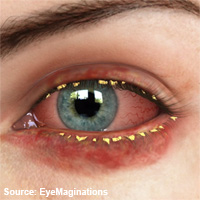
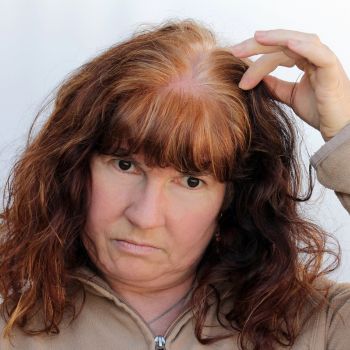
 Hair loss is one of the most frequent concerns people bring to their doctors, regardless of age or gender. What many do not realize is that thinning hair or lash loss can sometimes signal deeper health issues that also impact vision. The eyes are closely connected to the rest of the body, so chronic conditions like diabetes, arthritis, high blood pressure, and autoimmune diseases can affect both hair and eye health.
Alopecia
Alopecia is known as the loss of hair from the scalp or other parts of the body where hair normally exists. Androgenetic alopecia is the most common form of alopecia, generally genetically triggered. One study Continue reading “Hair Loss and Eye Conditions”
 Natural Treatments for the Eyelid
 People who have advanced eye disease have waited too long to improve their vision health. Keeping the eyes health is a lifetime endeavor. An unhealthy lifestyle and poor nutrition lead to a higher risk of eye diseases. Researchers have linked cataracts, macular degeneration, glaucoma, optic neuropathy, retinal vein occlusions, and other eye conditions to mostly-controllable risk factors. Seniors are especially at risk. Natural Eye Care offers this guide to improving vision health.
 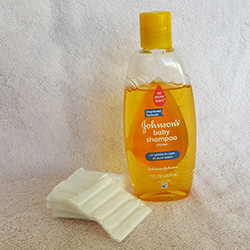 Eye washes provide natural relief for irritated, inflamed eyes. Natural Eye Care recommends eye washes for a wide variety of eye conditions. Good lid hygiene can both soothe and prevent eye irritation.
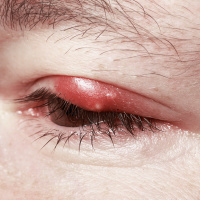
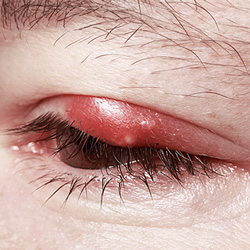
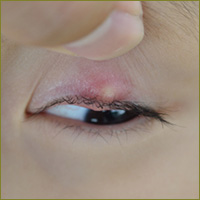 A red, painful bump on the eyelid could be a stye. Often resembling a pimple or boil, it appears near the edge of the eyelid. With a sty, one of the eyelash follicles or a meibomian gland gets infected or inflamed.
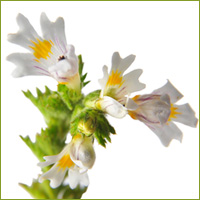 European researchers have been looking at what makes eyebright tick and why it has long been regarded in traditional folk medicine as a helpful herb for eye conditions. Turns out that eyebright supports more than eye health. Wikipedia describes eyebright as having possible benefits not only for blepharitis and conjunctivitis, but for eye strain, colds and sinus infections, allergies and hay fever and sore throats and coughs.