
 Myopia is one of the main reasons people start wearing glasses when they are young. Far objects are blurry, and close-up objects are clear when you are nearsighted or myopic. Did you know that lifestyle and daily habits can have a big impact on the development of myopia? Reducing the risk of myopia in children and teens is essential because this eye condition can lead to more serious eye problems. For example, it increases the risk of retinal detachment, glaucoma, and cataracts. Myopia can also strike adults. Avoiding corrective lenses entirely should be enough motivation to head off the problem. What can you do to help yourself and your family? Continue reading “Why Avoid Myopia? How to Reduce the Risk of Nearsightedness”
Category: Myopic Macular Degeneration
Which Parts of the Eyes Are Associated with Which Eye Diseases?
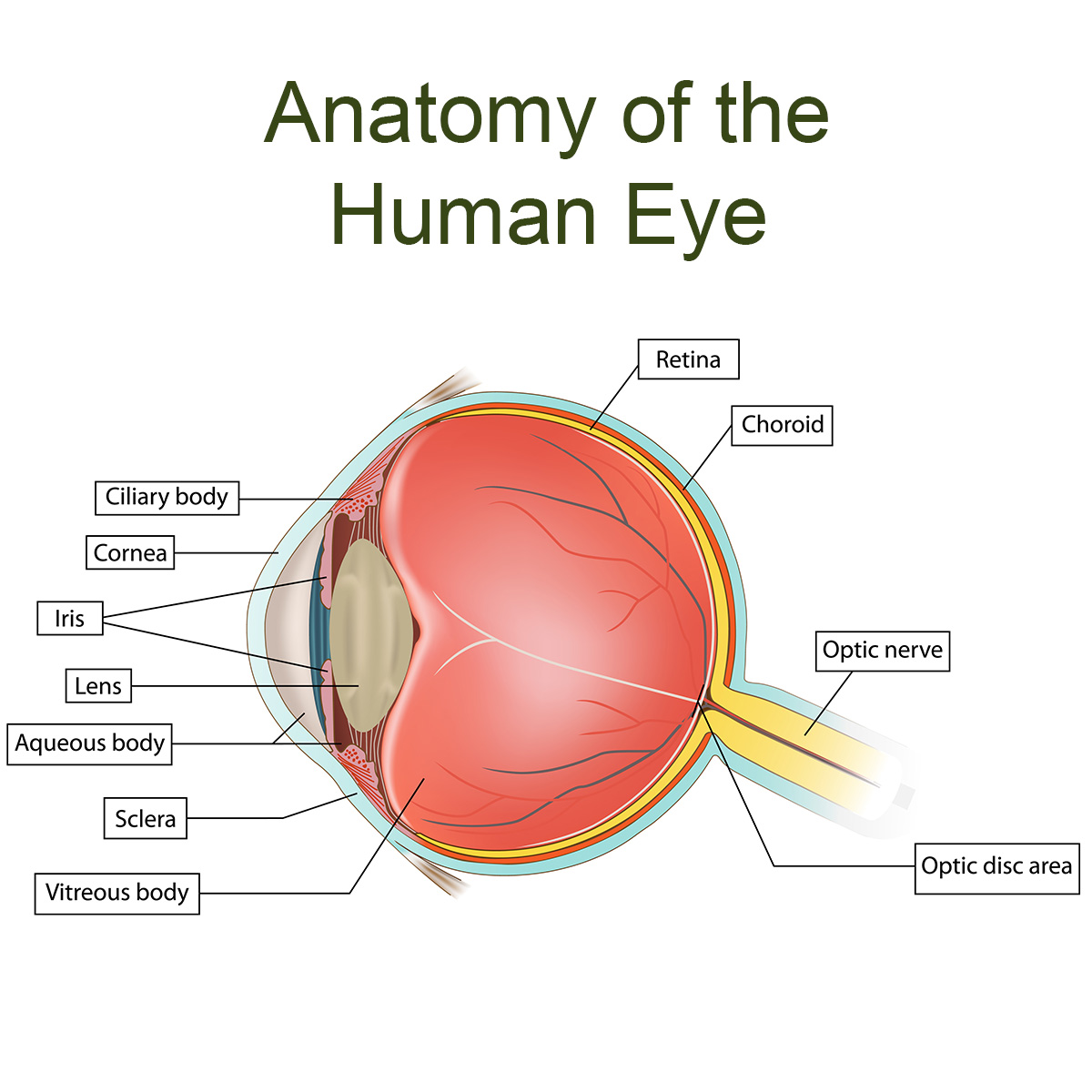 The eyes are small, but they have many parts including the eyelids, sclera, cornea, lens, optic nerve and retina. We depend heavily on our vision. When something goes wrong, the eyes are disproportionately affected. For example, a senior at risk of heart disease is also at risk of an ocular arterial or vein occlusion. Also, the macula requires a yellow-colored nutrient (lutein and zeaxanthin) found in certain vegetables such as green leafy vegetables, red, yellow and green peppers, corn and eggs. And antioxidants found in fresh fruits and vegetables have been shown to reduce oxidative eye damage and eye disease. Continue reading “Which Parts of the Eyes Are Associated with Which Eye Diseases?”
Myopic Macular Degeneration
Myopic macular degeneration is not commonly known in the U.S. even though it is the 7th highest ranking cause of legal blindness. In other parts of the world, such as Japan and China, it is the second highest cause of legal blindness. In addition, people of Jewish and middle eastern extraction are greater risk of developing the condition.
What is It?
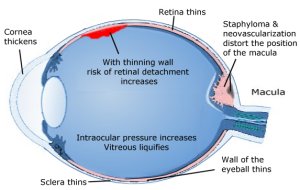 Myopic macular degeneration (MMD) arises primarily from genetic abnormalities. 30% of all cases were present at birth; 60% of all cases develop before the child is 13. It often continues to worsen, becoming quite severe myopia by the late teens or early 20s and by 60, 50% of MMD patients are legally blind.
The condition is caused Continue reading “Myopic Macular Degeneration”