
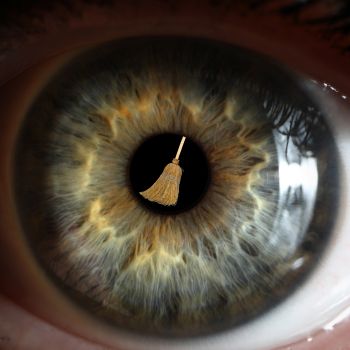
 Eye conditions such as age-related macular degeneration, cataracts, glaucoma, and diabetic retinopathy usually do not have a single cause. Instead, they arise from a mix of influences, including genetics, environment, age, diet and nutrition, and oxidative stress. Among these, oxidative stress is especially important because it directly affects a vital cellular process called autophagy.
Autophagy is the body’s built-in “cellular housekeeping” or recycling system. It allows cells in the eyes and brain to break down and reuse worn-out components, including damaged mitochondria and large, clumped proteins.[1. Kulkami VV, Maday S. Compartment-specific dynamics and functions of autophagy in neurons. Dev Neurobiol. 2018;78(4):298-310. doi:10.1002/dneu.22524] When autophagy is working properly, it helps maintain healthy cell function. But when this process is disturbed, cellular waste can build up, organelles are not renewed as they should be, and the normal physiology of the eye can begin to break down. Continue reading “How the Eye and Brain Handles Removal of Natural Waste”
 Protecting your vision doesn’t have to be complicated or costly. Decades of peer‑reviewed research show that specific nutrients—especially antioxidants, carotenoids, and omega‑3 fatty acids—can help maintain healthy eyes and reduce the risk of common conditions like cataracts, age‑related macular degeneration (AMD), glaucoma, and
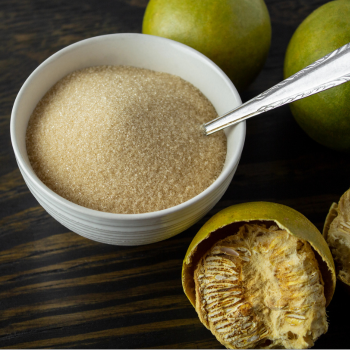
 In the USA, our diets are usually high in ultra-processed foods, fat, sugar, salt, and empty calories. Poor nutrition has been linked to declines in mental health, increasing the risk of depression and anxiety. It can also compromise eye health, contributing to conditions like glaucoma, diabetic retinopathy, cataracts, and macular degeneration. A nutrient-poor diet can also impair brain, cardiac, and neurological function, weaken immunity, and contribute to obesity.
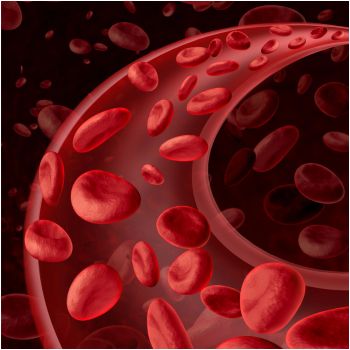 Poor circulation significantly contributes to eye diseases, including macular degeneration, glaucoma, and diabetic retinopathy. Heart disease and diabetes lead to poor circulation. Our eyes and brain require the most oxygen and nutrients, so they need healthy blood circulation. In this article, we will explore the connections between age-related macular degeneration (AMD) and poor circulation. We will also examine the relationship between heart disease and glaucoma. Additionally, we will discuss how diabetes affects circulation and leads to diabetic retinopathy.
 Aged black garlic, a culinary staple, is gaining recognition for its unique flavor and remarkable health benefits. Garlic has long been celebrated for its medicinal properties. Aged black garlic is a fermented food with even more potency and health benefits. Recent research has uncovered the benefits of aged black garlic, particularly in relation to the cardiovascular system and the eyes, including glaucoma and diabetic retinopathy. From improving optic nerve blood flow and reducing intraocular pressure to boosting HDL cholesterol levels and mitigating heart disease risks, aged black garlic is a versatile and powerful ally in promoting overall health.
  Extra weight around the belly may not seem hazardous. However, a higher abdominal circumference is one of several contributing factors to Metabolic Syndrome. As a risk factor for diabetes and cardiovascular disease, Metabolic Syndrome can creep up over time. Hormones, insulin resistance, genetics, organ dysfunction, and mitochondrial dysfunction can play a role.