
 The brain and eyes are intimately connected, and the nutrients essential for eye health are the same as for brain health. A retinal scan can detect the early onset of Alzheimer’s Disease, Parkinson’s Disease, and Multiple Sclerosis before symptoms appear.
Numerous studies have shown that dietary factors help prevent brain and eye disease. They have a critical effect on neuronal function and synaptic plasticity. Recent findings have shed light on key processes through which nutrition influences brain health and cognitive performance. Alongside lifestyle factors like physical activity, what we eat has played a significant part in the development of our mental abilities and the evolution of the human brain. Continue reading “Brain Health and Nutrition”
 Protecting your vision doesn’t have to be complicated or costly. Decades of peer‑reviewed research show that specific nutrients—especially antioxidants, carotenoids, and omega‑3 fatty acids—can help maintain healthy eyes and reduce the risk of common conditions like cataracts, age‑related macular degeneration (AMD), glaucoma, and
 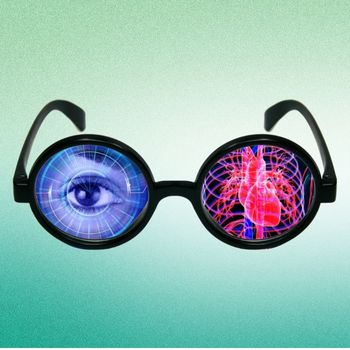 The link between cardiovascular disease and eye health may not be obvious. However, the eyes are made from nutrients. A large body of research shows how important nutrition is for eye health. Maintaining healthy vision depends on whether the eyes and visual system are properly nourished. Cardiovascular disease, including high blood pressure and atherosclerosis, can affect the flow of essential nutrients and oxygen to the eyes. Poor circulation to the eyes can cause damage to the retina’s tiny blood vessels, with potentially sight-threatening consequences. Cardiovascular disease can often be identified through retinal scans well before the disease is detectable through traditional tests.
  Wintertime is when colds and flu are the most common. Why should we try to avoid these infectious diseases, and how? In addition to annual vaccines, what are some natural ways to stay healthy during cold and flu season? At Natural Eye Care, we see healthy eyes as part of a healthy body. This article references research that supports lifestyle, nutrition, botanicals, and supplements to fight colds and flu. Find out how to avoid getting sick, reduce the impact, and recover faster.
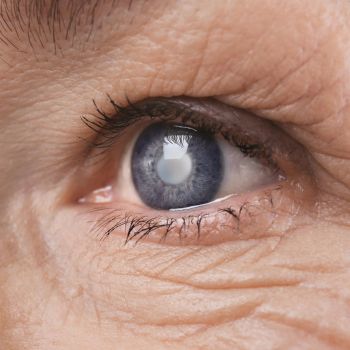 Cataracts are a condition where the lens of the eye becomes cloudy. They are common among seniors. Symptoms include:
 Hair loss is a prevalent concern, affecting both men and women. Surprisingly, there may be a connection between hair loss and eye conditions. This intriguing link stems from healthy vision being closely tied to overall bodily health. Chronic conditions such as diabetes, arthritis, and hypertension are associated with declining eye health. The root causes of many chronic conditions, such as incomplete nutrition and chronic inflammation, can damage hair and impede hair growth. Certain autoimmune diseases can cause alopecia. Both an underactive and overactive thyroid can cause hair loss and affect the eyes. Menopause impacts both the eyes and hair. In this article, we will explore androgenetic alopecia, hyperthyroidism and hypothyroidism, eyelash loss (madarosis), menopause, diet and vitamin deficiencies, and insights from Traditional Chinese Medicine.
  The links between antioxidants and vision health are strong. Antioxidants are the antidote to oxidization. Normal metabolism creates free radicals. These are atoms that lack an electron. Free radicals roam about the body, scavenging electrons and stealing electrons from healthy cells. This results in permanent damage to these afflicted cells which ultimately can result in disease. Significant research has shown that antioxidants protect against this cellular damage and are essential for maintaining health. The eye is especially vulnerable to free radical damage. Therefore, providing the body with sufficient antioxidants
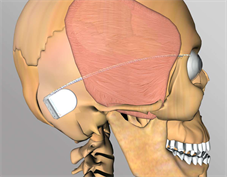 Two men blinded by retinitis pigmentosa have had their sight partially restored by receiving electronic retinal implants at King’s College Hospital in England.
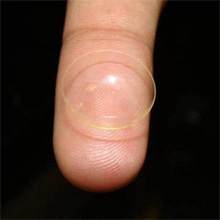 Treatment for the second leading cause of vision loss and blindness, glaucoma, may be improved with a new type of contact lenses that are loaded with Vitamin E. These new Vitamin E contact lenses may serve as delivery devices to treat glaucoma and other eye diseases such as dry eye and cataracts.