
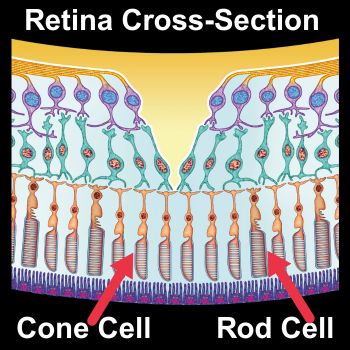
 Retinitis Pigmentosa is a progressive eye disease that has long been associated with gradual vision loss and limited treatment options. Affecting about one in every 4,000 people, Retinitis Pigmentosa (RP) is marked by the degeneration of the retina’s photoreceptor cells—first the rods, which are responsible for night vision, and then the cones, which enable us to see in daylight and color. While the genetic complexity and slow progression of RP have posed challenges for patients and researchers alike, recent discoveries are offering new hope. Exciting new research reveals that the retina may have an unexpected ability to adapt: certain retinal cells can rewire themselves in response to degeneration, potentially helping to preserve vision even as the disease advances. Continue reading “Retinal Cells Rewire to Preserve Vision in Retinitis Pigmentosa”
Category: Night Blindness
Cataracts and Antioxidants
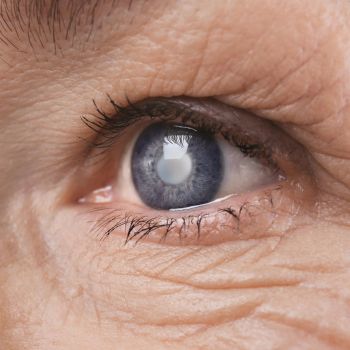 Cataracts are a condition where the lens of the eye becomes cloudy. They are common among seniors. Symptoms include:
- cloudy, blurry, foggy, or filmy vision
- difficulty seeing at night, especially when driving
- bright sunlight, headlights, and lights may cause a glare or halo
- colors may appear faded, muted, or yellowed
Cataracts in seniors are often caused by a lifetime of exposure to free radicals. Long-term exposure to sunlight accelerates, which is called glycation, which is the binding of sugar and protein molecules. Over time, glycation breaks down the structure of the lens. Continue reading “Cataracts and Antioxidants”
Taurine: An Amino Acid Crucial for Health and Aging
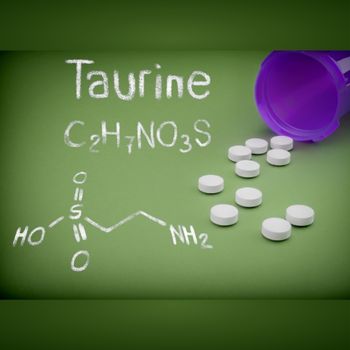 Taurine is an amino acid that your body manufactures and obtains from food. Crucial to health, taurine has many benefits for the eyes, heart, and brain. It is also an antioxidant that reduces inflammation and bad cholesterol levels. However, seniors often have taurine levels that are 80% lower than younger people.[1. Ito T, Yoshikawa N, Inui T, et al. Tissue depletion of taurine accelerates skeletal muscle senescence and leads to early death in mice. PLoS One. 2014;9(9):e107409] [2. Singh P, Gollapalli K, Mangiola S, et al. Taurine deficiency as a driver of aging. Science. 2023 Jun 9;380(6649):eabn9257.]
Night vision, eye health, cardiovascular fitness, brain health, the gastrointestinal system, immunity, bones, and diabetes are all linked to taurine.[3. Ibid. Science. 2023 Jun 9;380(6649):eabn9257] This article covers the benefits of this amino acid and how to check your taurine levels. It also discusses ways to get extra taurine if needed. Continue reading “Taurine: An Amino Acid Crucial for Health and Aging”
Poor Night Vision: What Can You Do?
 Poor night vision or night blindness can be a life-limiting symptom. Night blindness can be caused by either an inherited or acquired reason. Poor night vision disorders (night blindness, impaired dark adaptation, etc.) include the experience of reduced vision in dimly lit environments, including at night. They include partial or complete impairment in ability of the eyes to adapt from brightness to darkness. It is not a disease in itself, but rather a symptom of an underlying problem, usually located in the retina. It is common for patients who are myopic (nearsighted) to have some difficulties with night vision, but this is due to optical issues rather than to a retinal condition. Symptoms include difficulty driving at night, tripping over objects when walking in the dark, and slow response when light conditions change (such as entering a dark movie theater). Photoreceptor cells in the retina allow you to see in dim lighting. When they malfunction, vision in dark conditions becomes difficult.
The photoreceptors called “rod cells” are mainly responsible for night vision. Rods can detect single photons and transmit that data to rod bipolar cells. This makes dim light information more usable to the brain. Continue reading “Poor Night Vision: What Can You Do?”
Which Parts of the Eyes Are Associated with Which Eye Diseases?
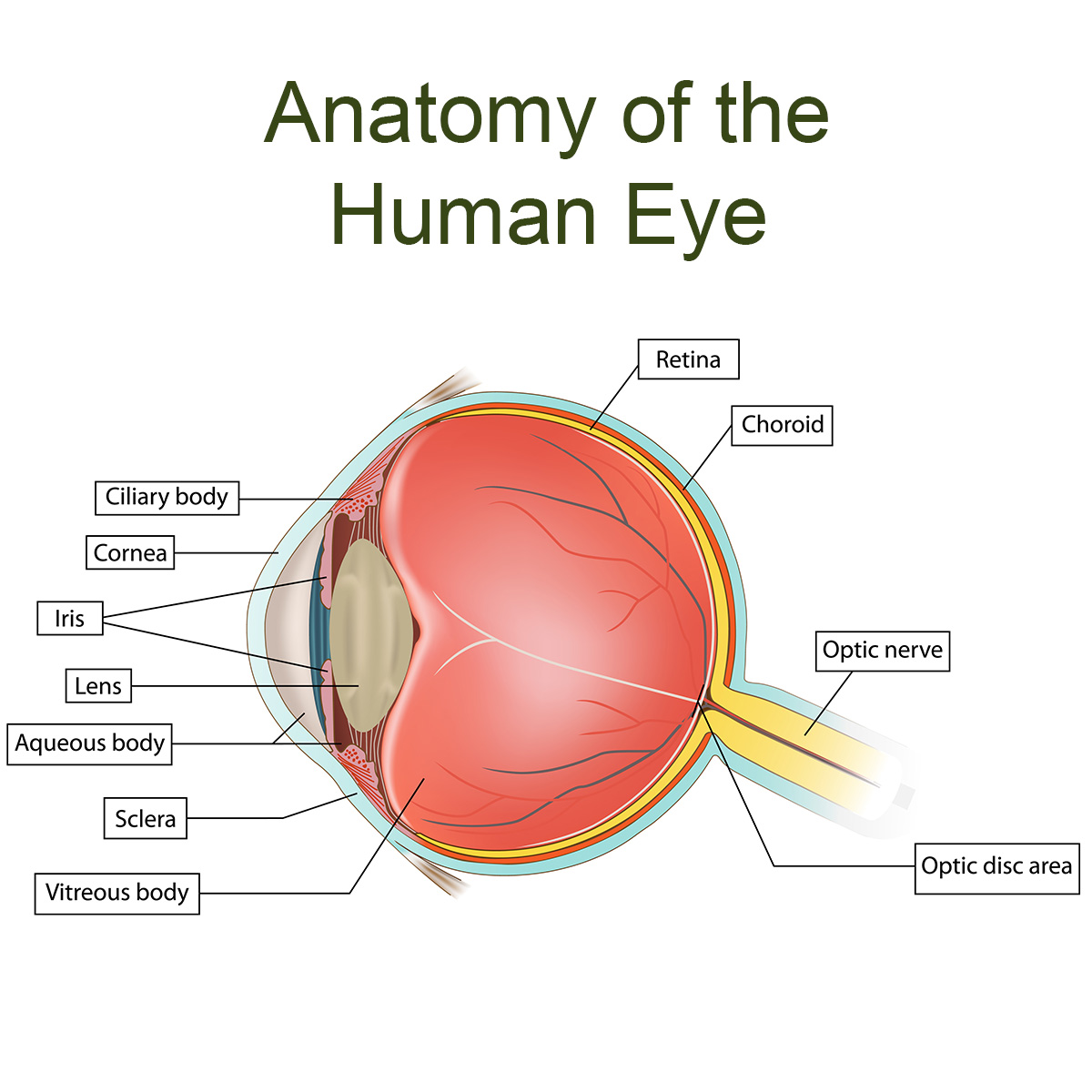 The eyes are small, but they have many parts including the eyelids, sclera, cornea, lens, optic nerve and retina. We depend heavily on our vision. When something goes wrong, the eyes are disproportionately affected. For example, a senior at risk of heart disease is also at risk of an ocular arterial or vein occlusion. Also, the macula requires a yellow-colored nutrient (lutein and zeaxanthin) found in certain vegetables such as green leafy vegetables, red, yellow and green peppers, corn and eggs. And antioxidants found in fresh fruits and vegetables have been shown to reduce oxidative eye damage and eye disease. Continue reading “Which Parts of the Eyes Are Associated with Which Eye Diseases?”
What is Dr. Grossman’s Advanced Eye & Vision Support Formula?
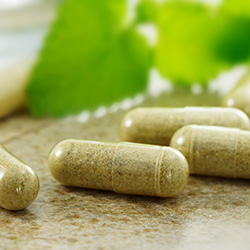 Eye vitamins are crucial to vision health. In fact, the eye is the most vitamin-hungry organ in the body proportional to its size. It is the second most physiologically active part of our body only second to our brain. We believe the eyes require approximately 25% of the nutrients taken into the body to maintain full health. Any less may eventually result in eye diseases such as macular degeneration, glaucoma and cataracts.
Many seniors suffer from these eye diseases. A lifetime of eye stressors, including excessive sunlight and poor diet, catches up with seniors. They also have less efficient digestion, poorer circulation and may have risk factors such as diabetes, long-term smoking, and lack of exercise. Dr. Grossman, a New York-based Continue reading “What is Dr. Grossman’s Advanced Eye & Vision Support Formula?”
Rod-Cone Dystrophy – A Complete Overview by Natural Eye Care
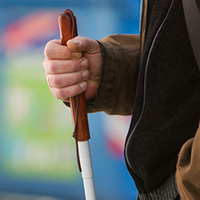 Rod-Cone Dystrophy is a genetically-based deterioration of vision caused by damage to the photoreceptors in the eye. Rods and cones are the photoreceptor cells in the retina that give us daytime and night time vision. Genes that provide the blueprint for manufacturing proteins crucial to the eye’s rods and cones are damaged. Without enough of these proteins, vision deteriorates and blindness may result.
Much of the current research into rod-cone dystrophy is focused on genetic research. Scientists are busy identifying the faulty genes and how they function. Stem cells or other genetic therapy offers hope for a treatment and possibly cure in the future. In the meantime, nutritional and lifestyle choices may Continue reading “Rod-Cone Dystrophy – A Complete Overview by Natural Eye Care”
Computers & Your Eyes II: How Blue Light Damages Vision
 Blue light is emitted from all handheld electronic devices as well as desktop and laptop computers and televisions. It is the shortest wave length light in the visible spectrum and causes significant damage to many parts of the eye seriously impacting present and future vision capacity. Damage from blue light from smartphones is particularly important because smartphones are often used in dim light and are used close to the eyes. Unlike ordinary computer vision fatigue, damage from blue light is serious, cumulative and irreversible. Continue reading “Computers & Your Eyes II: How Blue Light Damages Vision”
Computers & Your Eyes: A 3-Part Series
Eye strain is the symptom that most people associate with overuse of electronic visual display devices — from television to laptops & desktops — to smartphones — to handheld games and ebooks.
Smartphone ownership has grown explosively with 68% of Americans owning smartphones in 2015 compared to 35% in 2011. Most adults under age 50 (79%-85%) are smartphone owners, and of the middle-age to senior group (age 50-64) more than half own and use smartphones. This growth has lead to increased rates of a number of vision conditions.
Perhaps even more alarming, many health professionals regard smartphone addiction with its negative consequences as an emerging health trend.
In this 3 part series we’re examining the consequences of damage from these electronic devices:
- Part I discusses the impact of computer vision syndrome and how to protect your eyes.
- Part II looks at just how blue light damages vision
- Part III discusses smartphone addiction and its consequences.
Causes of Night Blindness / Nyctalopia
 Night blindness, also called “Nyctalopia”, is a condition characterized by the inability to see well or to see at all in low light. It can also give a diminished ability to see contrast and difficulty transitioning from bright light to dim light. Night blindness has many causes, some that are treatable and some that are not.
In order to understand night blindness, one must understand a little about how the eye works. The retina is located in the back part of the eye, where light falls after passing through the lens. The retina has two types of cells that respond to light: rods and cones. Cones receive bright light and interpret color and detail. They are primarily Continue reading “Causes of Night Blindness / Nyctalopia”