

Studies continue to show strong connections between eye health and brain diseases, with the retina offering a “window” to the brain for early detection and monitoring of conditions. Early signs of diseases that can appear in the eyes include Alzheimer’s Disease, Multiple Sclerosis (MS), and Parkinson’s. Changes in retinal nerve fiber, pupil dilation, and even protein deposits in the eye, such as amyloid beta, can mirror changes occurring in the brain, providing potential non-invasive diagnostic tools and insights into disease progression.
The eye is, in many ways, an outpost of the brain. They share similar types of nerve cells, blood vessel patterns, and immune defenses. Uniquely, the eye lets clinicians look directly at living nerve tissue and tiny blood vessels—no incision required. That makes it a powerful early-warning system for health changes. As imaging technology advances, we are spotting signs of disease earlier and with greater precision. And with today’s data-rich eye scans, artificial intelligence is beginning to help identify subtle patterns that humans might miss, potentially improving detection and guiding care sooner. [1. Li, Xinyu, et al. “Computer Vision for Brain Disorders Based Primarily on Ocular Images.” Frontiers in Neurology, vol. 12, 2021, doi:10.3389/fneur.2021.584270.] [2. Zhao, Lei, et al. “Retinal Microvascular Signs and Cognitive Impairment: A Systematic Review.” Frontiers in Neuroscience, vol. 14, 2020, doi:10.3389/fnins.2020.566428.]
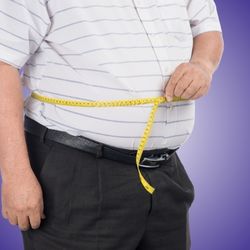 Extra weight around the belly may not seem hazardous. However, a higher abdominal circumference is one of several contributing factors to Metabolic Syndrome. As a risk factor for diabetes and cardiovascular disease, Metabolic Syndrome can creep up over time. Hormones, insulin resistance, genetics, organ dysfunction, and mitochondrial dysfunction can play a role.
 How can you save your vision regardless of your age? Eye disease is prevalent in seniors; however, people of all ages can take steps to protect their eyes. Here is Natural Eye Care’s guide to preserving the precious gift of sight.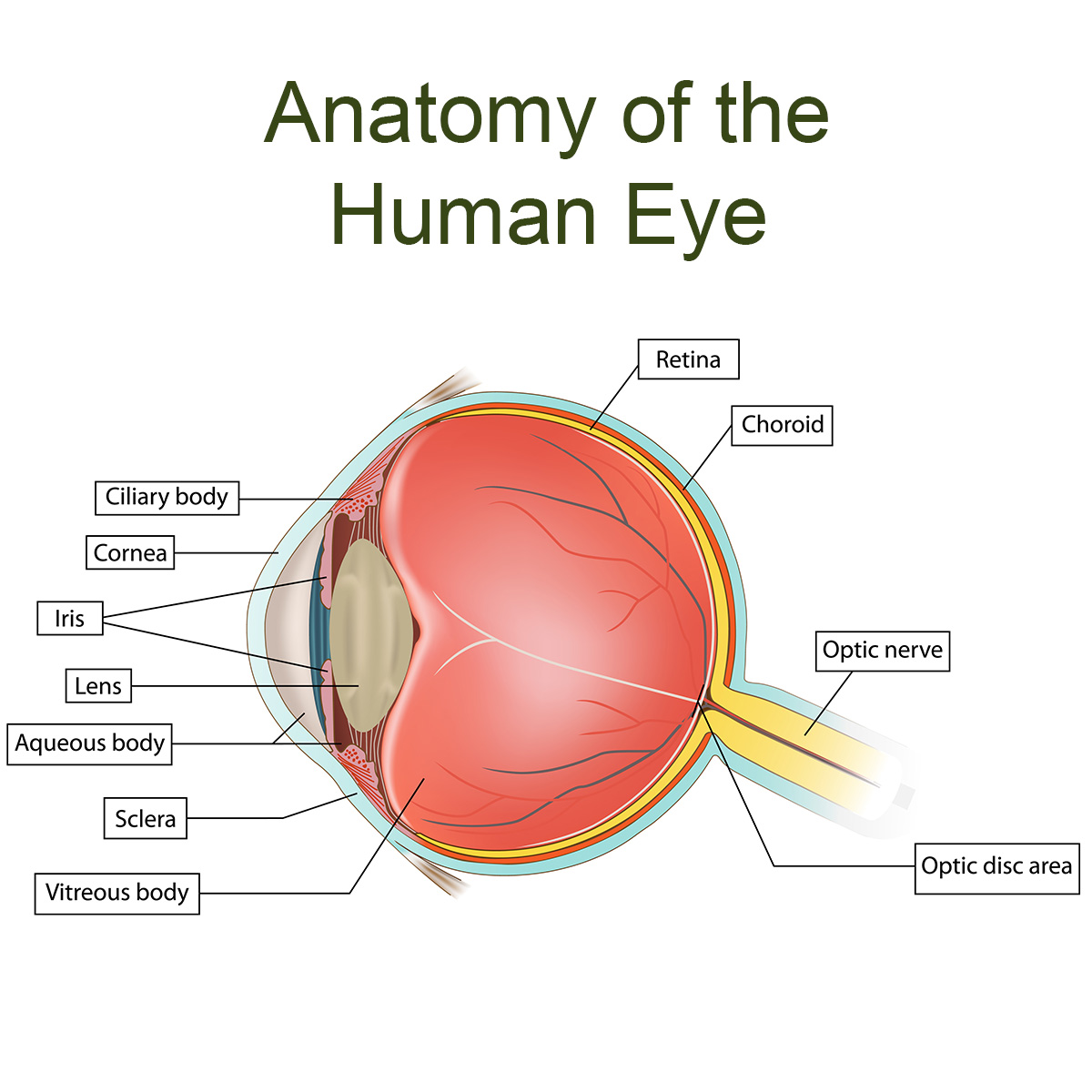
 Eye vitamins are crucial to vision health. In fact, the eye is the most vitamin-hungry organ in the body proportional to its size. It is the second most physiologically active part of our body only second to our brain. We believe the eyes require approximately 25% of the nutrients taken into the body to maintain full health. Any less may eventually result in eye diseases such as macular degeneration, glaucoma and cataracts.
 People who have advanced eye disease have waited too long to improve their vision health. Keeping the eyes health is a lifetime endeavor. An unhealthy lifestyle and poor nutrition lead to a higher risk of eye diseases. Researchers have linked cataracts, macular degeneration, glaucoma, optic neuropathy, retinal vein occlusions, and other eye conditions to mostly-controllable risk factors. Seniors are especially at risk. Natural Eye Care offers this guide to improving vision health.
  Inflammation is a factor in many eye diseases, and what you eat affects inflammation. Whenever major holidays comes along, we are tempted to eat special foods. Many of these treats are high in calories and sugar, which contribute to inflammation. While you don’t want to spoil anyone’s fun, you can choose to eat foods that are anti-inflammatory. At the end of this article, you will find tips for limiting the damage while still enjoying the holiday.
 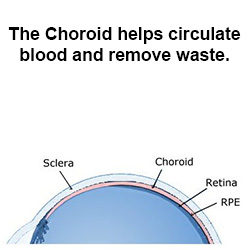 The eye has a delicate vascular system. Eye circulation brings oxygen and nutrients to the eyes. It also removes waste products. The “choroid” is the part of the eye that circulates blood. Fats and blood clots that damage the arteries can also clog the arteries and veins in the eyes. This condition is common as people age. Poor circulation is associated with many eye diseases:
 While Americans spend billions of dollars each year on how they LOOK, little attention is given to how they SEE. Seniors are especially vulnerable to eye diseases such as glaucoma, age-related macular degeneration, and cataracts, as well as hypertension-related eye damage such as retinal vein occlusion.
 Eye health is important for quality of life. Regular exercise has many significant benefits, including supporting healthy vision. This is especially true for seniors, who are most at risk for eye disease. While you cannot control all risk factors, sedentary behavior is a risk factor you CAN control. Avoiding tobacco and eating a healthy diet are also under your control. Genetics have an influence: a much higher percentage of African Americans have vision loss from glaucoma; non-Hispanic Whites top the charts in Age-Related Macular Degeneration vision loss[1. https://www.aao.org/eye-disease-statistics ].