
 Did you know that your daily habits affect your eyes and brain? As our population ages, more effort is needed to support seniors’ eyes, brains, and overall health. Research shows that a balanced diet, regular exercise, meaningful social interactions, and targeted supplements can have a significant impact. Remember, your retina and optic nerves are essentially brain tissue, meaning the nutrients that nourish your brain also bolster your vision. Read on to discover some of the latest research in this field.
Continue reading “Nutrients That Support the Eyes and Brain: Sage & Goji Berries”
 July is Ultraviolet Safety Month, a crucial time to raise awareness about the dangers of UV rays and the importance of protecting our eyes and skin. Ultraviolet radiation, a type of energy produced by the sun, can have serious health implications if proper precautions are not taken. Why is UV safety important? What are the sources of ultraviolet radiation? How can you keep yourself and your loved ones safe from the harmful effects of UV rays?
  Summertime is here, and it is great to be outdoors enjoying the wonderful weather. Some daily exposure to sunlight helps build up Vitamin D in the body and is good for eye health, but excessive exposure can lead to skin damage, skin cancer, and even promote eye disease which may include macular degeneration, other retinal disorders, and cataracts. Ongoing exposure to blue light increases the risk of neovascular (wet) macular degeneration, particularly associated with low levels of antioxidants, and especially low levels of vitamin C and zeaxanthin.[1. Fletcher, A.E., Bentham, G.C., Agnew, M., Young, I.S., Augood, C., et al. (2008). Sunlight exposure, antioxidants, and age-related macular degeneration. Arch Ophthalmol, Oct;126(10):1396-403.] Another study suggested that extended exposure to sunlight outdoors may be associated with age-related maculopathy.[2. Cruickshanks, K.J., Klein, R., Klein, B.E. (1993). Sunlight and age-related macular degeneration. The Beaver Dam Eye Study. Arch Ophthalmol. 111(4):514-518.]
  Does Sunlight Danger Outweigh the Benefits?
 Findings from a recent study suggest that blue light, the same light emitted from smartphones and fluorescent light bulbs, causes brain damage and premature aging in fruit flies.
 As the New Year approaches, resolve to improve your vision health. Dr. Marc Grossman and Michael Edson, co-authors of Natural Eye Care 2nd Edition, developed this checklist of New Year resolutions for vision health. Pick one or more resolution. Regardless of your age, you can reduce your risk of developing eye disease. Eye disease such as cataracts, macular degeneration, and glaucoma are prevalent in seniors. A few simple steps can help preserve the precious gift of sight.
  How can you save your vision regardless of your age? Eye disease is prevalent in seniors; however, people of all ages can take steps to protect their eyes. Here is Natural Eye Care’s guide to preserving the precious gift of sight.
 Whenever the sun is shining, drivers need to wear sunglasses. Glare from the sun is unsafe and can cause accidents. The eyes are vulnerable to damage from sunlight. Which types of sunglasses are best for driving? How do sunglasses protect the eyes?
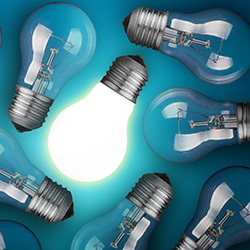 Even though sunlight is free, we pay for electric lightbulbs. We enjoy access to light 24 hours a day, even lighting the outside at night. The miracle of electric lighting means more leisure and work time.
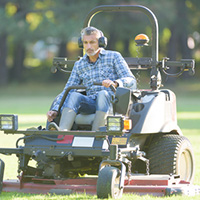 Sunlight is critical for overall well-being. Through an intricate process it enables the body to produce essential vitamin D. We only need 20 minutes of sunlight a day. But sunlight also contains UV radiation.