
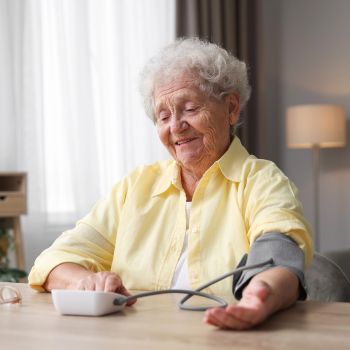
 A new study has found a link between vascular diseases, specifically high blood pressure, diabetes, and increased risk for dementia. Vascular risk factors were higher in both female and Black participants, as well as non-carriers of the APOE ε4 gene, which is linked with an increased risk of Alzheimer’s.[1. https://jamanetwork.com/journals/jamaneurology/article-abstract/2834600]
The statistical results of this cohort study suggest that between 22% and 44% of incident dementia cases by 80 years old were attributed to midlife and late-life vascular risk factors.
Continue reading “Vascular Disease, Brain Disease and Eye Health Are Connected”
 The brain and visual system rely on a significant portion of the nutrients you consume to maintain optimal health and function. Supporting the connections between the body, mind, and eyes is key to promoting healthy vision, preserving brain health, and reducing the risk of age-related eye and brain diseases. This includes macular degeneration, glaucoma, and cataracts, plus dementia and Parkinson’s Disease.
 We are exposed to blue light daily when we over-use computers, smartphones, tablets, and televisions. We also get blue light from the sun, and LED and fluorescent lights The risks associated with blue-light exposure increase with the duration of exposure. Therefore, take steps to keep your eyes safer. We will explain research on blue light and macular degeneration, and provide tips for reducing blue light exposure.
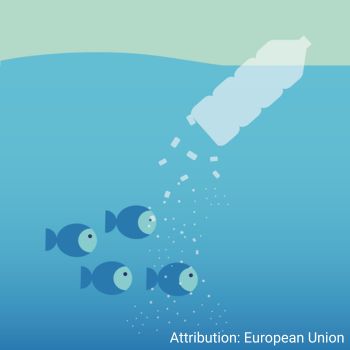 When tiny plastic particles pollute the ecosystem, can they cause harm? If so, can you do anything? At Natural Eye Care, we have mined the research on the effects of microplastics and nanoplastics on human health. Read on to find out what they are, how they affect living organisms, and how to reduce your exposure.
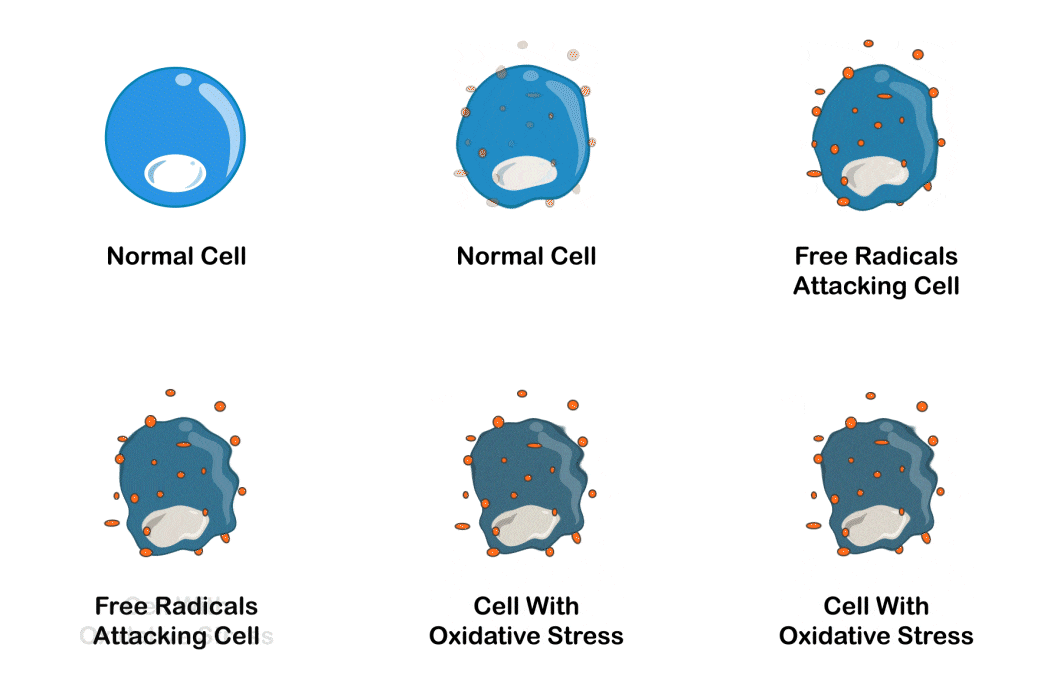 Oxidative stress significantly affects health and vision. It is a process in which free radicals are produced, leading to potential harm as these unstable molecules steal electrons from healthy cells. This oxidative damage can manifest visibly as aging skin and ocular changes, such as cataract formation. However, oxidation is not the only factor contributing to accelerated aging and eye conditions; poor circulation and insufficient essential nutrients also play important roles.
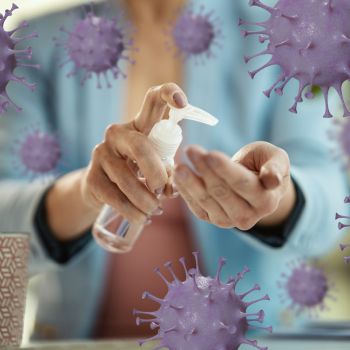 Wintertime is when colds and flu are the most common. Why should we try to avoid these infectious diseases, and how? In addition to annual vaccines, what are some natural ways to stay healthy during cold and flu season? At Natural Eye Care, we see healthy eyes as part of a healthy body. This article references research that supports lifestyle, nutrition, botanicals, and supplements to fight colds and flu. Find out how to avoid getting sick, reduce the impact, and recover faster.
 Did you know that your daily habits affect your eyes and brain? As our population ages, more effort is needed to support seniors’ eyes, brains, and overall health. Research shows that a balanced diet, regular exercise, meaningful social interactions, and targeted supplements can have a significant impact. Remember, your retina and optic nerves are essentially brain tissue, meaning the nutrients that nourish your brain also bolster your vision. Read on to discover some of the latest research in this field.
 July is Ultraviolet Safety Month, a crucial time to raise awareness about the dangers of UV rays and the importance of protecting our eyes and skin. Ultraviolet radiation, a type of energy produced by the sun, can have serious health implications if proper precautions are not taken. Why is UV safety important? What are the sources of ultraviolet radiation? How can you keep yourself and your loved ones safe from the harmful effects of UV rays?
  Dry eyes are among the most prevalent issues reported by our customers and patients. Women experiencing perimenopause and menopause frequently have dry eyes. However, it is increasingly observed across all age groups, largely attributable to prolonged use of digital devices such as computers, laptops, tablets, and smartphones. [1. Stapleton F, Alves M, Bunya VY, et al. TFOS DEWS II epidemiology report. Ocul Surf. 2017;15(3):334–365.] [2. LeBlanc AG, Gunnell KE, Prince SA, Saunders TJ, Barnes JD, Chaput J-P. The ubiquity of the screen: an overview of the risks and benefits of screen time in our modern world. Transl J Am Sports Med. 2017;2(17):104–113.] This extended screen time alters blinking patterns over time and exposes us to environmental pollutants, contributing to the development of dry eye symptoms and meibomian gland dysfunction.
 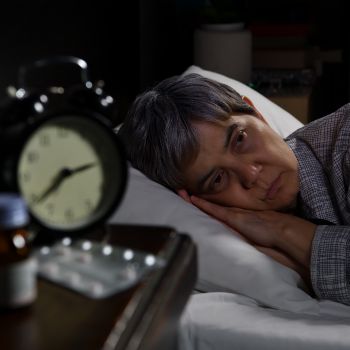 Getting enough sleep is crucial to your daily life and long-term health. However, many seniors struggle to get sufficient sleep. They also may have difficulty with the quality of sleep. What do the statistics show? How bad is sleep deprivation for your health? And what are some natural solutions?