
 Wintertime is when colds and flu are the most common. Why should we try to avoid these infectious diseases, and how? In addition to annual vaccines, what are some natural ways to stay healthy during cold and flu season? At Natural Eye Care, we see healthy eyes as part of a healthy body. This article references research that supports lifestyle, nutrition, botanicals, and supplements to fight colds and flu. Find out how to avoid getting sick, reduce the impact, and recover faster.
Each year, approximately 5 to 20 percent of Americans come down with the flu. Although most recover without incident, flu-related complications typically lead to at least 200,000 hospitalizations and between 12,000 and 60,000 deaths each year. People tend to recover from bacterial-related colds much more quickly than virus-related colds. Seniors and small children are especially susceptible.
Continue reading “Flu and Cold Season – Natural Ways to Stay Healthy”
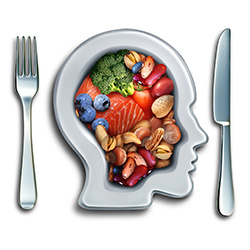 Brain health is especially important in seniors. Seniors are susceptible to dementia, Alzheimer’s disease, memory problems, and cognitive decline. Which foods boost brain power the most? At Natural Eye Care, we have picked eleven common foods that have brain-saving properties. Scientists have been studying the nutrients in foods for decades. They have isolated specific nutrients that cross the blood-brain barrier. These types of nutrients get direct access to the brain and even the retina. The retina is made from neural tissue. Researchers find that many of the nutrients helpful for the brain also stave off eye diseases such as macular degeneration and glaucoma.
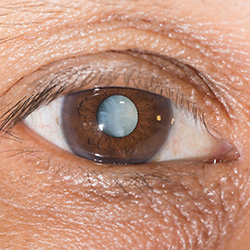 Is it possible to prevent cataracts, or even reverse cataracts? Can you put off cataracts surgery? Cataracts are one of the most common eye diseases in seniors. More and more people have a special “glint” in their eye when the light hits the lens just right. What is the value of preventing cataracts and other eye diseases?
 The Food and Drug Administration (FDA) has recommended that the block-buster sleeping pill Ambien (zolpidem) dose be lowered, especially for women, due to negative side-effects. The drug stays in women’s system much longer than in men’s. Too many car accidents the day after taking Ambien have lead to the government agency to halve the recommended dose for women, and re-consider the dose for men.