
 The brain and eyes are intimately connected, and the nutrients essential for eye health are the same as for brain health. A retinal scan can detect the early onset of Alzheimer’s Disease, Parkinson’s Disease, and Multiple Sclerosis before symptoms appear.
Numerous studies have shown that dietary factors help prevent brain and eye disease. They have a critical effect on neuronal function and synaptic plasticity. Recent findings have shed light on key processes through which nutrition influences brain health and cognitive performance. Alongside lifestyle factors like physical activity, what we eat has played a significant part in the development of our mental abilities and the evolution of the human brain. Continue reading “Brain Health and Nutrition”
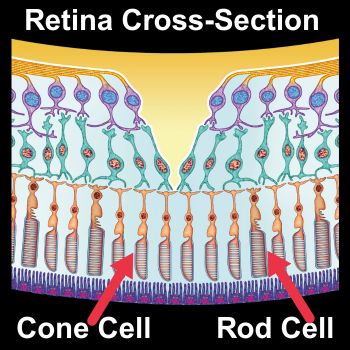
 This month, we’re focusing on understanding macular degeneration and the importance of early detection. We will explore natural approaches to manage this eye disease and support healthy vision.
 Not all foods play well together. Meat and Potatoes. Surf and Turf. Chicken with Rice. Sounds yummy, right? However, proponents of food-combining diets would not combine protein with carbs, and or mix different types of proteins. Food combining advocates believe that eating certain types of food in the same meal can lead to disease, toxin buildup, and digestive issues. They also believe that proper combinations can help relieve these problems.
 Getting enough sleep is crucial to your daily life and long-term health. However, many seniors struggle to get sufficient sleep. They also may have difficulty with the quality of sleep. What do the statistics show? How bad is sleep deprivation for your health? And what are some natural solutions?
 Age-related macular degeneration is an eye disease you do not want to get! One of the treatments is injections directly into the eye on a regular basis. The consequences can be devastating. The loss of central can steal your driving independence and your ability to recognize faces, watch TV, read, do crafts and hobbies, and cook. Research studies on carotenoids and essential fatty acids such as omega-3 fatty acids show hope for preventing and supporting Age-Related Macular Degeneration (ARMD or AMD).
  We have written extensively about how excess exposure to blue light can, over time, negatively affect vision. Not only does it affect our vision and ability to fall asleep, but it can also harm skin health, and neural pathways in the brain are affected in various ways.
  In the article, we discussed several essential nutrients for the eye and overall health. This follow-up article focuses on several additional important nutrients: astaxanthin, PUFA’s (polyunsaturated fatty acids), and trehalose.
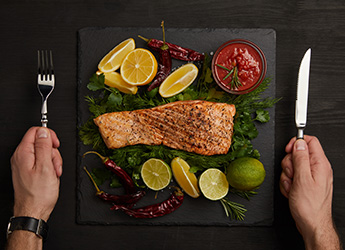 The lowly microalgae in the ocean produce astaxanthin for their protection against environmental stressors and light. Fish and crustaceans consume microalgae and retain the bright red color that we see in salmon, sea trout, shrimp, and krill.
 Astaxanthin is a potent antioxidant that helps prevent sun damage to the body by blocking free radical damage. This bright red molecule forms in certain algae, pink seafood, and yeast. Unlike beta-carotene, this carotenoid crosses the blood-brain barrier to help maintain healthy brain function. Astaxanthin helps the brain by promoting neurogenesis, the generation of new brain neurons. This nutrient also supports existing neurons by reducing oxidative stress. Scientists have found that astaxanthin can protect against cumulative sun damage to the eye. This nutrient may help reduce the risk of eye disease such as macular degeneration. It may also protect against cataracts and vision loss from glaucoma. In addition, related carotenoids called lutein and zeaxanthin block blue light and work synergistically with astaxanthin.