
 The brain and eyes are intimately connected, and the nutrients essential for eye health are the same as for brain health. A retinal scan can detect the early onset of Alzheimer’s Disease, Parkinson’s Disease, and Multiple Sclerosis before symptoms appear.
Numerous studies have shown that dietary factors help prevent brain and eye disease. They have a critical effect on neuronal function and synaptic plasticity. Recent findings have shed light on key processes through which nutrition influences brain health and cognitive performance. Alongside lifestyle factors like physical activity, what we eat has played a significant part in the development of our mental abilities and the evolution of the human brain. Continue reading “Brain Health and Nutrition”
 Did you know your brain is capable of growing new cells and forging fresh connections, even as you age? The science of neurogenesis is reshaping our understanding of brain and eye health. Neuroplasticity isn’t just for kids! About 30 years ago, scientists began to acknowledge the brain’s amazing ability to adapt in all stages of life. In this article, we will discuss the science of neuroplasticity and how it impacts both the brain and the eyes. Also, we will talk about how neurogenesis regrows brain and eye tissue, and how it could improve eye conditions such as glaucoma. And, we will recommend nutrients that can help your brain build new connections and neurons.
  Herbs and spices do more than add flavor—they’re packed with nutrients that support vision, brain, and overall health. Used for centuries in traditional medicine, these powerful plants are now backed by modern research. Whether you add them to your meals or take them as supplements, the right herbs can play a key role in maintaining healthy eyes and aging well.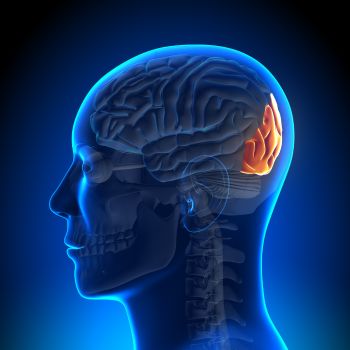
 Allergies to food can cause eye symptoms, but food allergies can also lead to vision problems. Grouped with food allergies are food intolerances and food sensitivities. While food allergies are an immune system reaction, intolerances and sensitivities are related to the digestive system. In this article, we discuss how individuals with these food issues need to protect their eyes from harm.
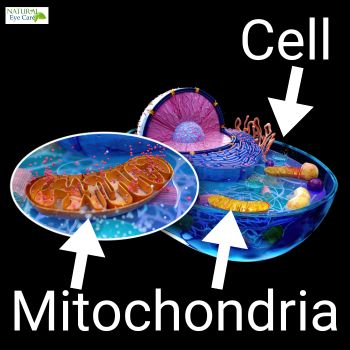 Keeping our cells healthy is key to staying well and helping to prevent disease. Your 30 trillion cells each contain mitochondria, the cell’s tiny “battery” and energy source. The main cause of death worldwide is non-communicable diseases such as heart disease, strokes, diabetes, cancer, chronic lung diseases, and brain diseases, including Alzheimer’s disease and dementia. Anything you do to keep your mitochondria healthy can mitigate these diseases, potentially extending life and increasing the quality of life. We have talked about how mitochondria work in some of our
  What is the relationship between brain health and eye health as we age? Our brains adapt and form new connections throughout our lives. Nutrition, lifestyle choices, and early detection play major roles in keeping the brain healthy, and the eyes. Find out about Natural Eye Care’s holistic approach to brain and eye health.
  Wet Age-Related Macular Degeneration and Diabetic Retinopathy can lead to vision loss from angiogenesis. Angiogenesis is the growth of unwanted blood vessels in the retina. These excess blood vessels obscure or distort vision and damage the eye. They can result in permanent damage if not treated, typically by injection of EyLea, Avastin, or Lucentis. Macular Degeneration (ARMD) and Diabetic Retinopathy are most prevalent among seniors over age 60. Are there any natural methods to help retard the growth of extra blood vessels in the eye?
  Parkinson’s disease is a multi-neurological disease. Currently, most Parkinson’s treatments focus on increasing dopamine production and reducing motor symptoms and tremors through medication. However, this disease has many causative or contributing factors that cause changes in healthy brain function. Many of these factors are also relevant for dementia, Alzheimer’s, Huntington’s, and Wilson’s diseases as well. Which factors impact brain functioning and the development of brain disease? Are there natural approaches to preventing and slowing the progress of such devastating diseases? This article offers a brief overview, based on the new book, Natural Parkinson’s Support: Your Guide to Preventing and Managing Parkinson’s.
  Eye vitamins are crucial to vision health. In fact, the eye is the most vitamin-hungry organ in the body proportional to its size. It is the second most physiologically active part of our body only second to our brain. We believe the eyes require approximately 25% of the nutrients taken into the body to maintain full health. Any less may eventually result in eye diseases such as macular degeneration, glaucoma and cataracts.