
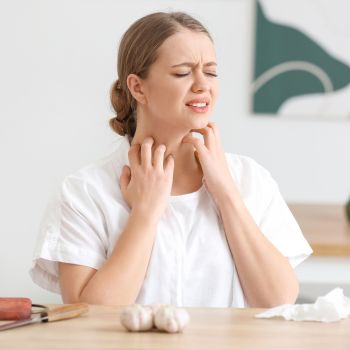
 Allergies to food can cause eye symptoms, but food allergies can also lead to vision problems. Grouped with food allergies are food intolerances and food sensitivities. While food allergies are an immune system reaction, intolerances and sensitivities are related to the digestive system. In this article, we discuss how individuals with these food issues need to protect their eyes from harm.
The Differences Between Food Allergies, Sensitivities, and Intolerances
Food allergies occur when the immune system produces an IgE-mediated response to specific proteins found in certain foods. In contrast, food intolerances and sensitivities are typically related to the digestive system’s inability to properly break down or process particular foods, rather than an immune reaction. Continue reading “Food Allergies, Intolerances, and Sensitivities Linked to Vision Problems”
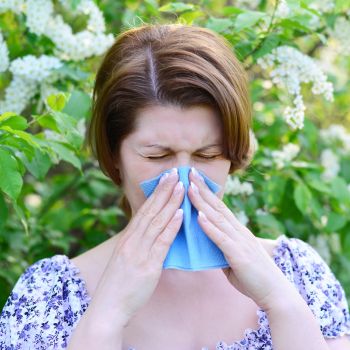 Spring brings the revival of vibrant flowering plants and an increase in pollen and plant-related allergies. Seasonal allergies are also called allergic rhinitis and hay fever. Symptoms affect the eyes of an estimated 40–60% of allergy-prone individuals. Eye-related allergic reactions range from mild discomfort to severe cases that may impair visual function, significantly impacting quality of life. Common symptoms include red, itchy eyes, swollen sinuses, and excessive tearing. Allergic rhinitis is your immune system trying to protect you by reacting to a foreign substance. However, allergens such as pollen are not inherently harmful. Therefore, hay fever is an immune system overreaction that can make you feel miserable.
 Diabetic retinopathy is a leading cause of blindness among adults. Poor blood sugar balance can damage nerves, so nerve support is crucial for people with diabetes.
 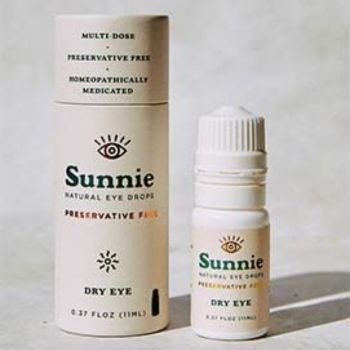 Homeopathic eye drops are in high demand among people experiencing dry eye, redness, and digital eye strain. At Natural Eye Care, we are excited to announce that our website offers a new line of homeopathic eye drops from Sunnie. Several of our flagship eye drops for these issues are no longer available, but Sunnie has stepped in with these safe remedies.
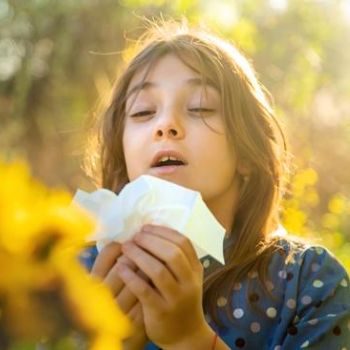 Allergy season is once again upon us, causing many people a great deal of discomfort, including eye irritation and redness. According to conservative estimates, more than one in five Americans has allergies, and the number rises every year.
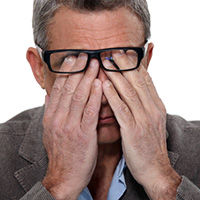 Red, itchy, watery eyes are common in the spring, when allergies and hay fever strike. Sometimes we wake in the morning and what we notice most is that our eyes are itchy and sore. This may be due to a combination of seasonal allergen sensitivity and tired eyes from computer eye fatigue.
 You need to protect your eyes when the weather is dry or windy. During the colder seasons, relative humidity indoors is low. Outdoors, wind can blow dust, pollution, ice and snow. Find out how to protect yourself from dry eyes, allergens, irritation, and injury.
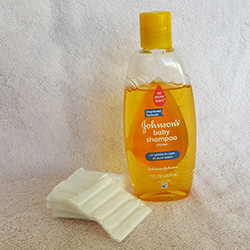 Eye washes provide natural relief for irritated, inflamed eyes. Natural Eye Care recommends eye washes for a wide variety of eye conditions. Good lid hygiene can both soothe and prevent eye irritation.
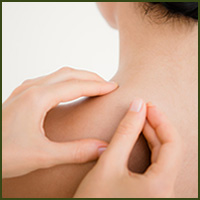 Acupuncture has been used for millennia to treat eye disease. Today, acupuncture can help preserve vision for those with a wide range of eye conditions including macular degeneration, glaucoma, eye floaters, dry eyes, cataracts and much more. Part of Traditional Chinese Medicine, acupuncture involves a practitioner inserting tiny needles into the skin. It is licensed and regulated by most states in the US. How does acupuncture work, and what are its effects on supporting eye conditions? What could you expect from acupuncture treatments? What can you do at home?