
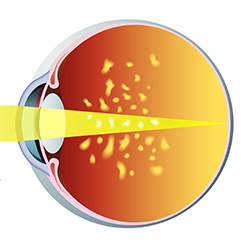
 Have you ever noticed specks or clouds in your field of vision? They are most likely eye floaters. Floaters can look like cobwebs, blobs, dots, or little insects that float around. Eye floaters can be semi-transparent or darker. If you have them, they are more noticeable in certain lighting conditions, such as bright sunlight. You might not notice them at all unless you are looking for them. Continue reading “Eye Floaters in the Vitreous: A Guide by Natural Eye Care”
Category: Eye Injuries
Which Parts of the Eyes Are Associated with Which Eye Diseases?
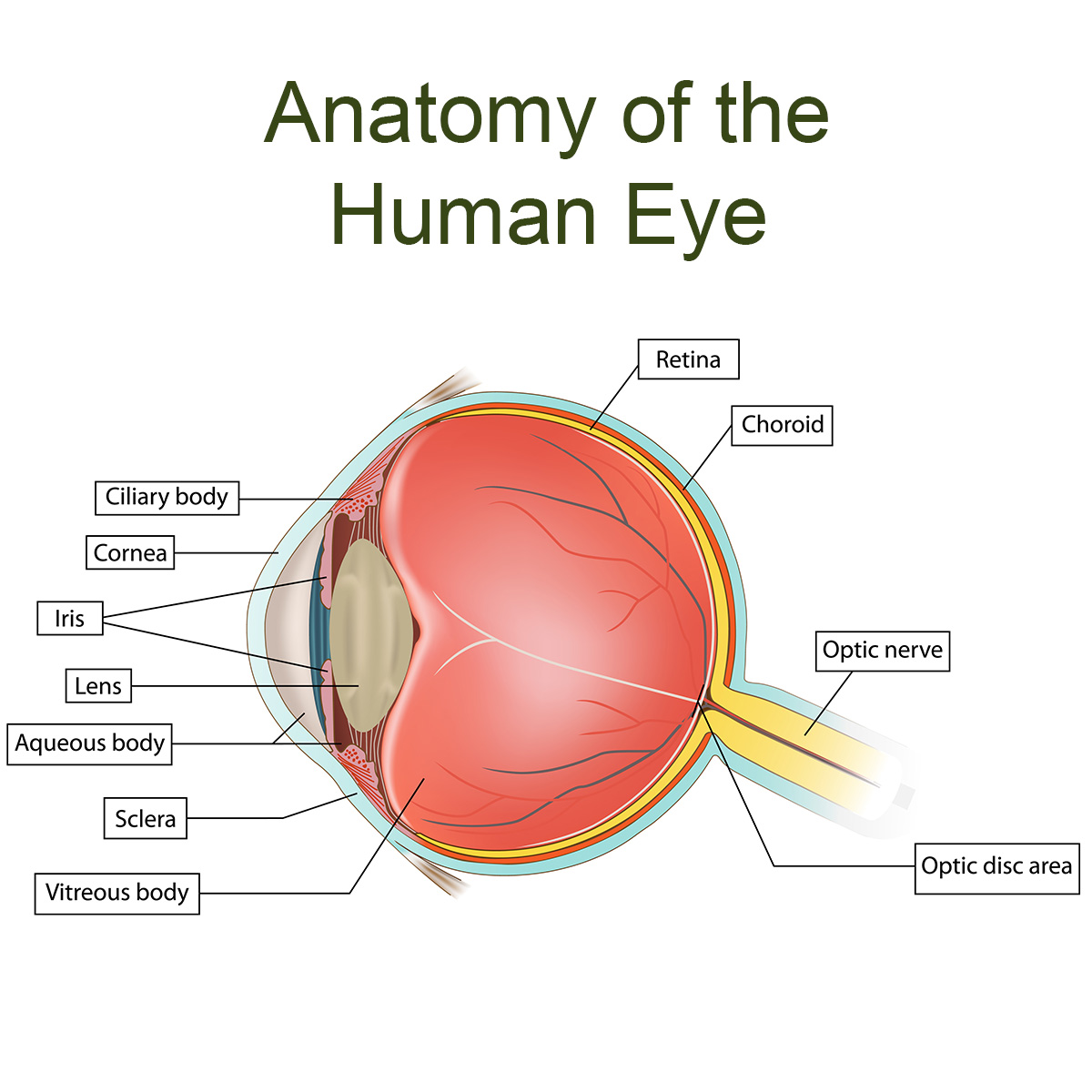 The eyes are small, but they have many parts including the eyelids, sclera, cornea, lens, optic nerve and retina. We depend heavily on our vision. When something goes wrong, the eyes are disproportionately affected. For example, a senior at risk of heart disease is also at risk of an ocular arterial or vein occlusion. Also, the macula requires a yellow-colored nutrient (lutein and zeaxanthin) found in certain vegetables such as green leafy vegetables, red, yellow and green peppers, corn and eggs. And antioxidants found in fresh fruits and vegetables have been shown to reduce oxidative eye damage and eye disease. Continue reading “Which Parts of the Eyes Are Associated with Which Eye Diseases?”
Corneal Abrasions on the Eye: A Guide by Natural Eye Care
 Corneal abrasions are scratches on the outermost part of the eye. Sometimes a painful injury is the clear cause. Other times, symptoms can build slowly over a few hours. A corneal abrasion causes so much discomfort that sufferers should seek medical care quickly. The scratch can become infected and cause serious damage in as little as 24 hours. Therefore, recognizing a corneal abrasion could save your sight.
The cornea has 6 layers, and it is very sensitive. It helps the body regulate tear production. The cornea sends signals to the brain to direct it to tell the lacrimal glands whether more or less tears are needed every moment.
Symptoms of Corneal Abrasions
The primary symptom Continue reading “Corneal Abrasions on the Eye: A Guide by Natural Eye Care”
Protective Eyewear for Sports: Prevent Eye Injuries
 Almost everyone who plays sports is at risk of eye injury. From a flying puck in hockey to an eye poke in wrestling, all types of sports can result in eye injuries. Even the mild game of golf has a hidden hazard: the sun. Protective eyewear prevents most types of eye injury. Continue reading “Protective Eyewear for Sports: Prevent Eye Injuries”
Eye First Aid Guide by Natural Eye Care: Eye Injuries, Prevention
 When eye injuries occur, eye first aid can prevent blindness and vision loss. Eye injuries can be inconsequential or life-changing. Know what to do with each type of eye injury. Also learn how to prevent injuries to the eyes. Most eye injuries can be prevented with protective eyewear. You should keep certain items on-hand in case of eye injuries.
Exposure to Chemicals
We are around chemicals often. Soap, detergents, Continue reading “Eye First Aid Guide by Natural Eye Care: Eye Injuries, Prevention”
Protect Your Eyes During Dry, Windy Weather
 You need to protect your eyes when the weather is dry or windy. During the colder seasons, relative humidity indoors is low. Outdoors, wind can blow dust, pollution, ice and snow. Find out how to protect yourself from dry eyes, allergens, irritation, and injury.
Dry Eye from Low Indoor Humidity
Dry eye is a common eye complaint. The eyes may feel itchy, burning, irritated, sore or gritty.
The tear film has three layers: a thin mucus layer, Continue reading “Protect Your Eyes During Dry, Windy Weather”
Cornea Transplant Surgery — An Overview by Natural Eye Care
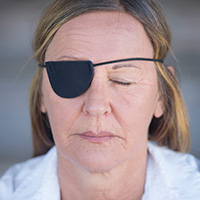 Cornea transplant surgery involves removing a damaged or diseased cornea, and replacing it with tissue from a deceased donor. All or part of the cornea may be replaced. In the United States, eye surgeons do approximately 33,000 corneal transplants (keratoplasty) per year. The surgery might be recommended if vision is seriously impaired by scarring from an injury, or eye diseases such as Fuchs’ Dystrophy, Lattice Dystrophy, or Keratoconus.
What is the Cornea’s Job?
The cornea is transparent tissue at the front of the eye. Its job is to protect the eye from damage. This tissue also absorbs oxygen and nutrients. Light enters through the cornea Continue reading “Cornea Transplant Surgery — An Overview by Natural Eye Care”
Sun Protection for the Eyes: Prevent Eye Injuries, Cataracts, ARMD, Surfer’s Eye
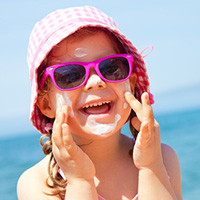 The sun sustains life, but it also can harm our eyes. Unsafe sun exposure causes or may contribute to several eye conditions and diseases. It can also cause eye injuries. Earth’s ozone layer absorbs most of the ultraviolet (UV) light from the sun, but chemicals have damaged it. Therefore, we must take extra precautions to prevent cataracts, age-related macular degeneration, ocular melanoma (eye cancer), and eye injuries such as pterygium (Surfer’s Eye), photokeratitis (snow blindness), and flash blindness. The sun is also a driving hazard when low on the horizon.
The body contains its own “sunscreen,” which is melanin. Dark-skinned people have more melanin and Continue reading “Sun Protection for the Eyes: Prevent Eye Injuries, Cataracts, ARMD, Surfer’s Eye”
Laser Danger: Prevent Eye Injury and Temporary Blindness
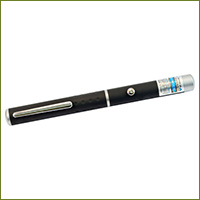 Lasers are common in toys and laser pointers, but improper use can result in vision damage or accident-causing temporary blindness. The US Food and Drug Administration regulates lasers, and they classify them according to strength. The stronger they are, the more damage they can do.
The main problem is hand-held laser pointers. Laser pointers are used during lectures to point out details on slideshows or posters. They are more powerful than the Class 1 and Class 2 lasers found in toys.
If a laser is pointed directly at the eye, it can damage Continue reading “Laser Danger: Prevent Eye Injury and Temporary Blindness”
Macular Holes and Macular Puckers Most Common Over Age 60
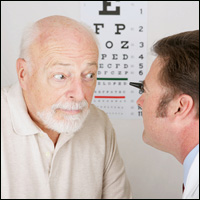 The macula is a part of the eye crucial to good vision, but as we age, it can be damaged by macular holes and macular puckers. What are the symptoms, and what are the approaches to treating and preventing these problems?
Let’s start by asking, what is the macula? The macula is the central part of the retina. It is yellowish in color. It is the part of the retina that creates clear, sharp, focused vision. And it is the part of the retina most heavily populated with cones, the type of eye cell that allows us to see in color. The retina is a thin layer at the back of the eye. It is where the lens of the eye focuses Continue reading “Macular Holes and Macular Puckers Most Common Over Age 60”