

Living a long, healthy life is not just about genetics or luck—it is about understanding how your daily choices, emotions, and even your gut health can influence your overall well-being. Modern science and ancient wisdom both highlight the deep connections between mind, body, and vision. In this article, we explore how emotions like anger, the health of your gut, and the balance of your body’s systems all play a crucial role in supporting longevity and protecting your eyesight. Whether you are aiming to stay sharp, energetic, and clear-sighted as you age or simply want to take a more holistic approach to your health, you will find practical insights and actionable tips to help you thrive for years to come.
Continue reading “Longevity: Keeping Your Body, Mind and Vision Healthy Longer” Aged black garlic, a culinary staple, is gaining recognition for its unique flavor and remarkable health benefits. Garlic has long been celebrated for its medicinal properties. Aged black garlic is a fermented food with even more potency and health benefits. Recent research has uncovered the benefits of aged black garlic, particularly in relation to the cardiovascular system and the eyes, including glaucoma and diabetic retinopathy. From improving optic nerve blood flow and reducing intraocular pressure to boosting HDL cholesterol levels and mitigating heart disease risks, aged black garlic is a versatile and powerful ally in promoting overall health.
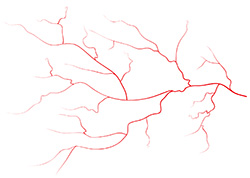
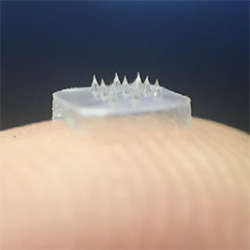 Instead of getting eye injections, patients with serious eye diseases may in the near future be eligible for a contact lens-type patch.[1. Aung Than, Chenghao Liu, Hao Chang, Phan Khanh Duong, Chui Ming Gemmy Cheung, Chenjie Xu, Xiaomeng Wang, Peng Chen. Self-implantable double-layered micro-drug-reservoirs for efficient and controlled ocular drug delivery. Nature Communications, 2018; 9 (1) DOI: 10.1038/s41467-018-06981-w] Injections are often recommended for eye diseases such as Wet (advanced) Age-Related Macular Degeneration, macular edema, and diabetic retinopathy. The new patch is inserted painlessly like a contact lens. It delivers tiny microneedles containing medication. The microneedles are made from natural materials and dissolve over time, gradually releasing medicine. Patients would be more likely to stick with a regimen that does not involve eye injections.
 Have you ever heard that your eyes need plenty of nutrition? It’s true, and research backs this up. But did you know that the Standard American Diet tends to be very low in some eye-essential nutrients? The eyes are the second most physiologically active part of our body (#1 is the brain). At Natural Eye Care, we believe the eyes require approximately 25% of the nutrients we take into our body, if we eat a healthy diet. Even though most Americans consume enough calories, we may still have poor nutrition for the eyes. No wonder Macular Degeneration, cataracts, glaucoma, optic nerve
  Macular edema is a swelling of the macula, the part of the eye responsible for central vision. When fluid builds up in the macula, it becomes swollen and thicker. This distorts vision. There are several causes, including diabetic retinopathy, post-eye surgery complications, macular degeneration, injury, systemic inflammatory diseases that can affect the eye, and/or vein blockages. If an eye disease causes damage to blood vessels in the retina, it can cause macular edema. Left untreated, this problem can cause serious vision loss and even blindness.
 The role of supplemental oxygen in diabetic macular edema was the subject of a pilot study in 2004. Diabetic macular edema or DME is a side-effect of diabetes. DME occurs when retinal blood vessels leak into the macula apparently trying to provide more oxygen to the retina. This leakage causes swelling, which, in turn, causes part of central vision to become blurred.