
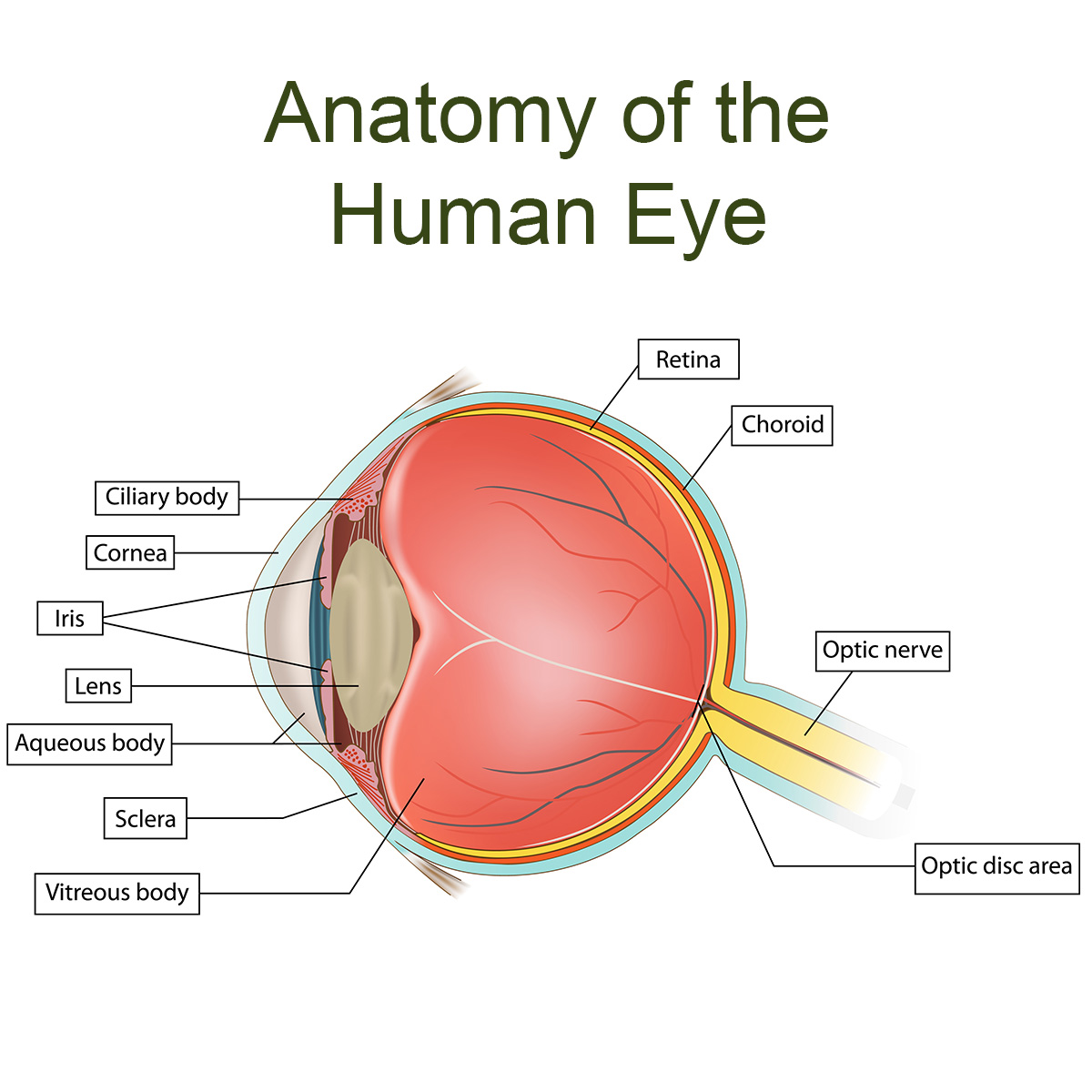
 The eyes are small, but they have many parts including the eyelids, sclera, cornea, lens, optic nerve and retina. We depend heavily on our vision. When something goes wrong, the eyes are disproportionately affected. For example, a senior at risk of heart disease is also at risk of an ocular arterial or vein occlusion. Also, the macula requires a yellow-colored nutrient (lutein and zeaxanthin) found in certain vegetables such as green leafy vegetables, red, yellow and green peppers, corn and eggs. And antioxidants found in fresh fruits and vegetables have been shown to reduce oxidative eye damage and eye disease. Continue reading “Which Parts of the Eyes Are Associated with Which Eye Diseases?”
Category: Rod Cone Dystrophy
How to Give Your Eyes Enough Nutrition
 Have you ever heard that your eyes need plenty of nutrition? It’s true, and research backs this up. But did you know that the Standard American Diet tends to be very low in some eye-essential nutrients? The eyes are the second most physiologically active part of our body (#1 is the brain). At Natural Eye Care, we believe the eyes require approximately 25% of the nutrients we take into our body, if we eat a healthy diet. Even though most Americans consume enough calories, we may still have poor nutrition for the eyes. No wonder Macular Degeneration, cataracts, glaucoma, optic nerve Continue reading “How to Give Your Eyes Enough Nutrition”
Rod-Cone Dystrophy – A Complete Overview by Natural Eye Care
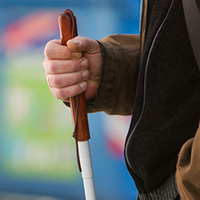 Rod-Cone Dystrophy is a genetically-based deterioration of vision caused by damage to the photoreceptors in the eye. Rods and cones are the photoreceptor cells in the retina that give us daytime and night time vision. Genes that provide the blueprint for manufacturing proteins crucial to the eye’s rods and cones are damaged. Without enough of these proteins, vision deteriorates and blindness may result.
Much of the current research into rod-cone dystrophy is focused on genetic research. Scientists are busy identifying the faulty genes and how they function. Stem cells or other genetic therapy offers hope for a treatment and possibly cure in the future. In the meantime, nutritional and lifestyle choices may Continue reading “Rod-Cone Dystrophy – A Complete Overview by Natural Eye Care”
Computers & Your Eyes: A 3-Part Series
Eye strain is the symptom that most people associate with overuse of electronic visual display devices — from television to laptops & desktops — to smartphones — to handheld games and ebooks.
Smartphone ownership has grown explosively with 68% of Americans owning smartphones in 2015 compared to 35% in 2011. Most adults under age 50 (79%-85%) are smartphone owners, and of the middle-age to senior group (age 50-64) more than half own and use smartphones. This growth has lead to increased rates of a number of vision conditions.
Perhaps even more alarming, many health professionals regard smartphone addiction with its negative consequences as an emerging health trend.
In this 3 part series we’re examining the consequences of damage from these electronic devices:
- Part I discusses the impact of computer vision syndrome and how to protect your eyes.
- Part II looks at just how blue light damages vision
- Part III discusses smartphone addiction and its consequences.
Night Blindness Improved by Transplanted Photoreceptor Cells in Animal Experiment
 Transplanting light-sensitive photoreceptor cells into mice with night blindness resulted in improved night vision. Night blindness means seeing poorly in the darkness, but seeing normally when there is enough light. In this groundbreaking research, scientists injected light-sensitive photoreceptor cells into night-blind mice’s eyes. After this treatment, the animals were able to see well enough to navigate a water maze and swim toward a visual cue in dimly lit conditions. Controls who did not receive the treatment were unable to efficiently navigate the maze.
Continue reading “Night Blindness Improved by Transplanted Photoreceptor Cells in Animal Experiment”
Stargardt’s Disease Vitamin A Contraindication
 Should you take extra Vitamin A if you have Stargardt’s Disease? Vitamin A supplementation is frequently recommended for certain eye diseases (AMD and Retinitis Pigmentosa, for example). This nutrient is crucial for rebuilding photoreceptors cells and proper retinal functioning. However, a study on mice published in “Investigative Ophthalmology and Visual Science” indicated that Stargardt’s Disease patients may be damaged by taking Vitamin A.
Continue reading “Stargardt’s Disease Vitamin A Contraindication”
Breakthrough: Microchip Implant Restores Partial Sight
For the first time, scientists have restored the ability of previously blind patients to recognize letters, fruit and other items using light-sensitive microchips implanted in the inner surface of the eye.
For the first time, scientists have restored the ability of previously blind patients to recognize letters, fruit and other items using light-sensitive microchips implanted in the inner surface of the eye.
The microchip is only approximately 3 millimeters by 3 millimeters in size, but is loaded with 1,500 light detectors that send a grid of electrical impulses through a patient’s nerves to generate a 1,500-pixel image. The device is implanted under the retina, the inner lining of the eye unlike other implants that sit outside the retina and require users to wear an external camera. Since the chip requires a sharp image, the patients wear reading glasses.
For information on natural eye care, go to www.naturaleyecare.com
In a paper published in The Procedings of the Royal Society B researchers describe how three patients suffering from hereditary retinal dystrophy regained the ability to identify objects and people and even read words printed in large letters. The technology involves that natural projection of images through the eye’s lens onto a chip placed under the transparent retina.
Source: http://rspb.royalsocietypublishing.org/content/early/2010/11/01/rspb.2010.1747.abstract