
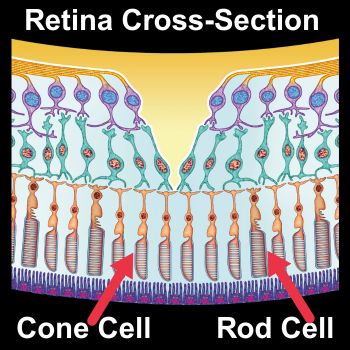
 Retinitis Pigmentosa is a progressive eye disease that has long been associated with gradual vision loss and limited treatment options. Affecting about one in every 4,000 people, Retinitis Pigmentosa (RP) is marked by the degeneration of the retina’s photoreceptor cells—first the rods, which are responsible for night vision, and then the cones, which enable us to see in daylight and color. While the genetic complexity and slow progression of RP have posed challenges for patients and researchers alike, recent discoveries are offering new hope. Exciting new research reveals that the retina may have an unexpected ability to adapt: certain retinal cells can rewire themselves in response to degeneration, potentially helping to preserve vision even as the disease advances. Continue reading “Retinal Cells Rewire to Preserve Vision in Retinitis Pigmentosa”
Category: Retinitis Pigmentosa
NMN (Nicotinamide Mononucleotide): The New Anti-Aging Nutrient?
 Is it possible that NMN – nicotinamide mononucleotide – is an anti-aging nutrient? This chemical occurs naturally in the body, but levels drop in seniors. Researchers are finding that taking NMN supplements appears to have benefits. How does NMN work? What does it do? And, could seniors slow down the aging process by taking it?
Continue reading “NMN (Nicotinamide Mononucleotide): The New Anti-Aging Nutrient?”
Sleep Is Fundamental for the Eyes, Brain and Overall Health
 Getting enough sleep is crucial to your daily life and long-term health. However, many seniors struggle to get sufficient sleep. They also may have difficulty with the quality of sleep. What do the statistics show? How bad is sleep deprivation for your health? And what are some natural solutions?
Shocking Sleep Statistics
Sleep comes naturally. So why do we see these shocking sleep statistics? Continue reading “Sleep Is Fundamental for the Eyes, Brain and Overall Health”
Microcurrent Stimulation for Eye Disease (and more)
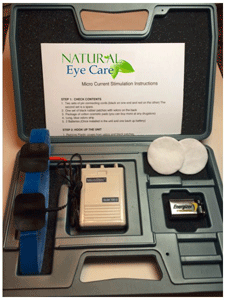 Microcurrent Stimulation treatment protocols are designed to help people with retinal disease. MCS works by supporting nourishment and healing to the back of the eyes as well as possibly some cell regeneration. Retinal tissue is easily the most complex tissue in the entire body, and we tell people that they need to commit to regular treatment for a year, because it may take up to a year before they first see results, though benefits may be seen much sooner.
A number of research studies have suggested that daily use of specific microcurrent stimulation helps promote retinal (as well as optic nerve health) in 3 different ways: Continue reading “Microcurrent Stimulation for Eye Disease (and more)”
Macular Degeneration Glasses May Restore Vision: Pixium Vision’s Bionic PRIMA System Sees Improvements
 People with vision loss due to retinal disease may be able to use a bionic system to improve sight in the near future. Pixium Vision is running a feasibility study on is PRIMA System, and they got better-than-expected results. The study is on patients with dry Age-Related Macular Degeneration. Currently, medical science cannot restore vision in those with retinal dystrophies. The PRIMA System may lead to vision restoration for patients with Macular Degeneration, Retinitis Pigmentosa and other retinal diseases. Continue reading “Macular Degeneration Glasses May Restore Vision: Pixium Vision’s Bionic PRIMA System Sees Improvements”
Retinitis Pigmentosa Gene Editing Studied on Human Embryos

The genetic eye disease Retinitis Pigmentosa is the target of gene editing research on human embryos by Dr. Dietrich Elgi at Columbia University. National Public Radio reported on this research[1. New U.S. Experiments Aim To Create Gene-Edited Human Embryos, February 1, 2019, 5:00 AM ET. Morning Edition. National Public Radio. Rob Stein] shortly after a Chinese scientist announced he had created the world’s first two gene-edited babies.[2. Chinese Scientist Says He’s First To Create Genetically Modified Babies Using CRISPR. November 26, 20185:02 AM ET. Morning Edition. National Public Radio. Rob Stein] Both scientists use the CRISPR tool to genetically modify human embryos. However, the experiments at Columbia are for research purposes only. These embryos are destroyed within one day for study.
Continue reading “Retinitis Pigmentosa Gene Editing Studied on Human Embryos”
Save Your Vision at All Stages in Life
 How can you save your vision regardless of your age? Eye disease is prevalent in seniors; however, people of all ages can take steps to protect their eyes. Here is Natural Eye Care’s guide to preserving the precious gift of sight.
At All Ages
Wear Sunglasses: The earth’s atmosphere has thinned, exposing our eyes to more ultraviolet light whenever we are outdoors. Wear 100% UVA/UVB protecting sunglasses when you are outside in the Continue reading “Save Your Vision at All Stages in Life”
Which Parts of the Eyes Are Associated with Which Eye Diseases?
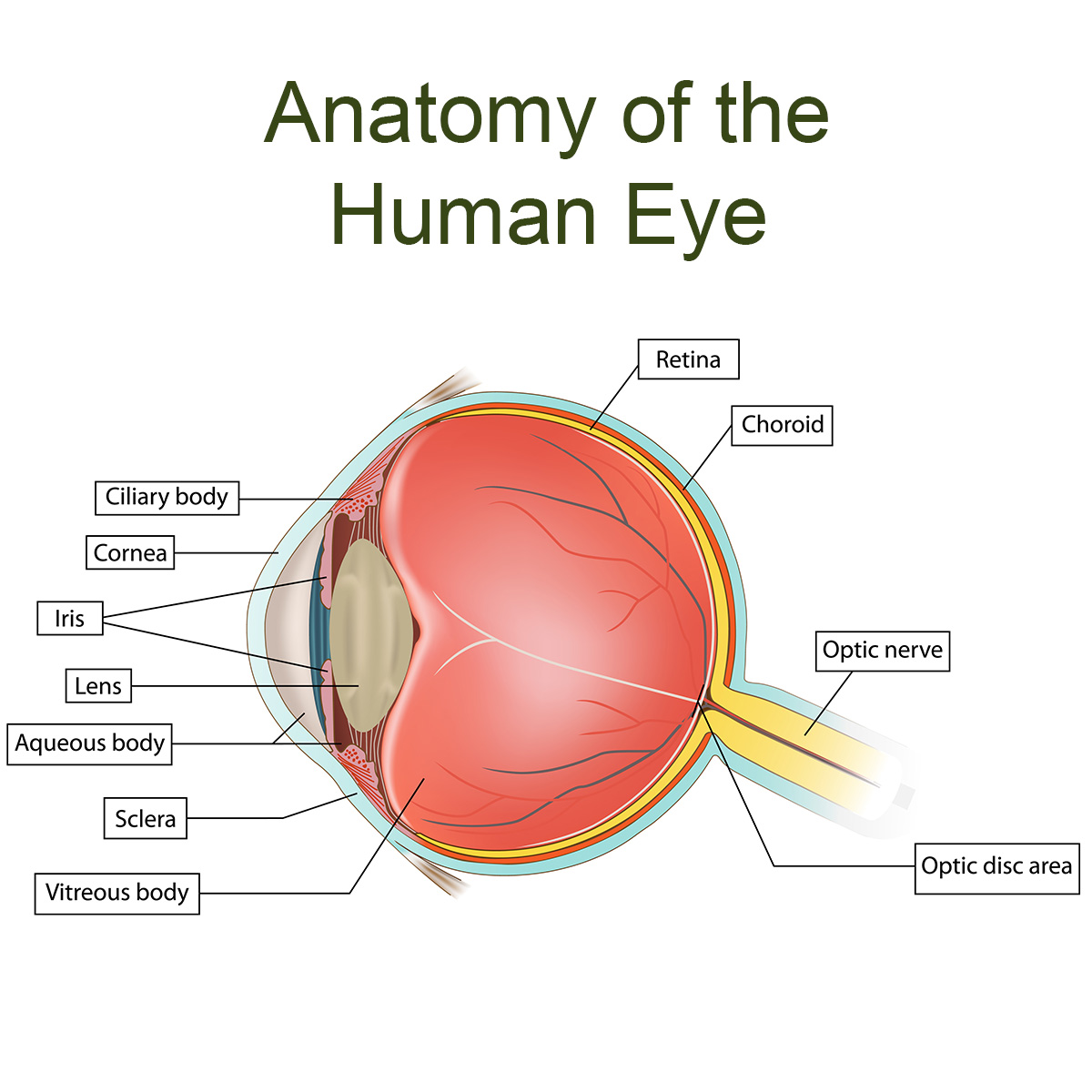 The eyes are small, but they have many parts including the eyelids, sclera, cornea, lens, optic nerve and retina. We depend heavily on our vision. When something goes wrong, the eyes are disproportionately affected. For example, a senior at risk of heart disease is also at risk of an ocular arterial or vein occlusion. Also, the macula requires a yellow-colored nutrient (lutein and zeaxanthin) found in certain vegetables such as green leafy vegetables, red, yellow and green peppers, corn and eggs. And antioxidants found in fresh fruits and vegetables have been shown to reduce oxidative eye damage and eye disease. Continue reading “Which Parts of the Eyes Are Associated with Which Eye Diseases?”
Current Genetic Eye Disease Research on Fuch’s, Leber’s and Retinitis Pigmentosa
 Current research on genetic eye diseases focuses mostly on genetic therapies. Scientists have learned how to sequence DNA at a relatively low cost. New tools for modifying genetic materials, such as the CRISPR, have opened the door for new treatments and even cures. Certain eye disorders are caused by mutated genes and genetic predispositions. This article highlights current research into four genetic eye disorders Continue reading “Current Genetic Eye Disease Research on Fuch’s, Leber’s and Retinitis Pigmentosa”
Leber Congenital Amaurosis Gene Therapy Approved by FDA
 The rare eye disease Leber Congenital Amaurosis, caused by a defective gene, has a new genetic treatment. This is the first time the US Food and Drug Administration has approved gene therapy for an inherited disease.
The RPE65 gene provides a blueprint for a protein that makes light receptors work properly. Individuals with a defective RPE65 gene eventually go blind. Eye doctors may diagnose them with Leber Continue reading “Leber Congenital Amaurosis Gene Therapy Approved by FDA”