
 Current research on genetic eye diseases focuses mostly on genetic therapies. Scientists have learned how to sequence DNA at a relatively low cost. New tools for modifying genetic materials, such as the CRISPR, have opened the door for new treatments and even cures. Certain eye disorders are caused by mutated genes and genetic predispositions. This article highlights current research into four genetic eye disorders Continue reading “Current Genetic Eye Disease Research on Fuch’s, Leber’s and Retinitis Pigmentosa”
Category: Leber’s Disease
What is Optic Nerve Atrophy?
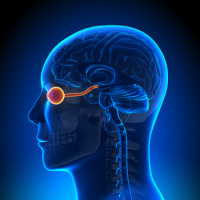 Optic nerve atrophy, also called optic neuropathy, is damage to the optic nerve from any cause.
Some of these causes include: diabetes, glaucoma, certain health problems associated with aging, brain tumors, head trauma, infection, multiple sclerosis, radiation, inflammatory blood vessel diseases, sleep apnea, excessive blood coagulation, high cholesterol, genetic disorders, poisoning, malnutrition, and drug side effects.
The optic nerve is the conduit between the retina of the eye and the visual processing center at the back of the brain. It contains 1.2 million nerve fibers that send sight signals to be processed by the brain. It is sheathed in the fatty nerve casing called myelin. Myelin protects nerves from damage and speeds nerve signals along. When it becomes damaged, nerves are exposed. Then they are very vulnerable to damage, much like an exposed Continue reading “What is Optic Nerve Atrophy?”
Gene Therapy for Leber’s Disease
In 2009, Dr. Jean Bennett and his team from Albert Maguire of the University of Pennsylvania School of Medicine injected a benign virus carrying a connected copy of an essential gene into a teenage boy’s retina. This patient had lost vision due to a genetic disorder called “Leber’s Congenital Amaurosis (LGA).
The result was improved vision as the gene therapy enabled the body to make new rods and cones (which normally are irreplaceable once lost).
Other young patients given the same procedure also were able to see better. This remarkable procedure is in a Phase I clinical trial, published in Lancet.
Leber’s Disease – Gene therapy transforms eyesight
Pennsylvania researchers using gene therapy have made significant improvements in vision in 12 patients with a rare inherited visual defect, a finding that suggests it may be possible to produce similar improvements in a much larger number of patients with retinitis pigmentosa and macular degeneration.
Pennsylvania researchers using gene therapy have made significant improvements in vision in 12 patients with Leber’s disease, a rare inherited visual defect, a finding that suggests it may be possible to produce similar improvements in a much larger number of patients with retinitis pigmentosa and macular degeneration.
The team last year reported success with three adult patients, an achievement that was hailed as a major accomplishment for gene therapy. They have now treated an additional nine patients, including five children, and find that the best results are achieved in the youngest patients, whose defective retinal cells have not had time to die off.
The youngest patient, 9-year-old Corey Haas, was considered legally blind before the treatment began. He was confined largely to his house and driveway when playing, had immense difficulties in navigating an obstacle course and required special enlarging equipment for books and help in the classroom.
Today, after a single injection of a gene-therapy product in one eye, he rides his bike around the neighborhood, needs no assistance in the classroom, navigates the obstacle course quickly and has even played his first game of softball.
The 12 patients had Leber’s congenital amaurosis, which affects about 3,000 people in the United States and perhaps 130,000 worldwide. Victims are born with severely impaired vision that deteriorates until they are totally blind, usually in childhood or adolescence. There is no treatment.
Leber’s is a good candidate for gene therapy because most of the visual apparatus is intact, particularly at birth and in childhood. Mistakes in 13 different genes are known to cause it, but all 12 of the patients suffered a defect in a gene called RPE65. This gene produces a vitamin A derivative that is crucial for detecting light
The study, led by Dr. Katherine A. High, Dr. Albert M. Maguire and Dr. Jean Bennett of those two institutions, enrolled five people in the United States, five from Italy and two from Belgium. Five were children, and the oldest was 44.
Editor’s Note: In addition to the exciting research described above, there are specific nutrients that may help strengthen vision for those with Leber’s Disease