
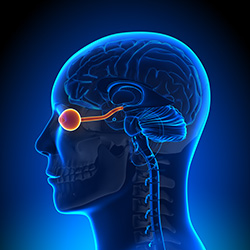
 Several nutrients and vitamins such as bilberry and taurine help protect the optic nerve from damage. Glaucoma causes optic nerve damage. Optic neuritis and optic nerve atrophy are serious conditions that harm the optic nerve. Since the optic nerve sends electrical signals from the eye to the brain, any interruption damages vision. How does the optic nerve work? Which diseases damage the optic nerve? What does the research show about how nutrients, foods, and vitamins protect the optic nerve? Taurine, gingko biloba, a fruit called bilberry, Vitamin C, and Vitamin B12 among others have demonstrated their usefulness. Continue reading “Protect the Optic Nerve with Taurine, Bilberry, and More”
Category: Optic nerve atrophy
Which Parts of the Eyes Are Associated with Which Eye Diseases?
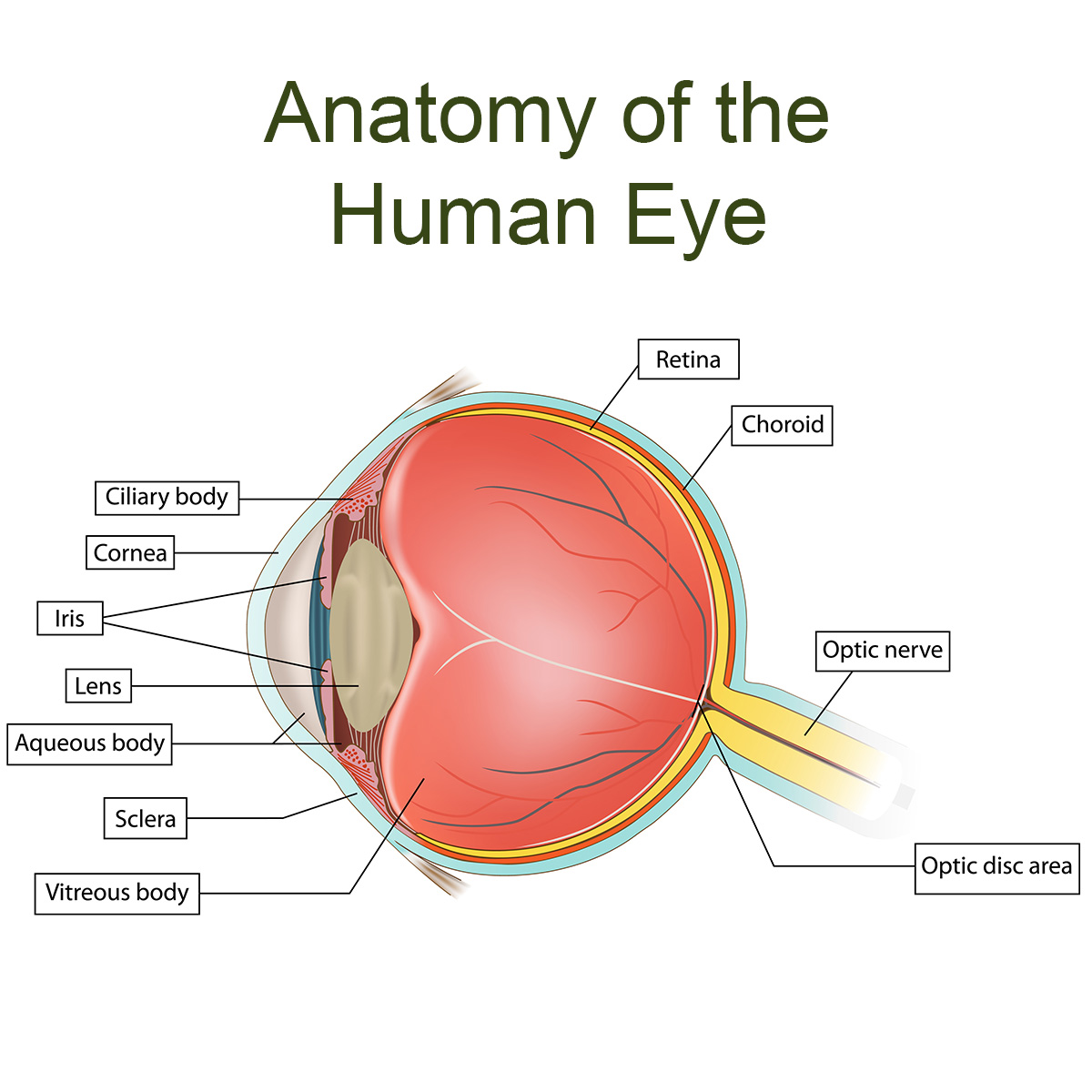 The eyes are small, but they have many parts including the eyelids, sclera, cornea, lens, optic nerve and retina. We depend heavily on our vision. When something goes wrong, the eyes are disproportionately affected. For example, a senior at risk of heart disease is also at risk of an ocular arterial or vein occlusion. Also, the macula requires a yellow-colored nutrient (lutein and zeaxanthin) found in certain vegetables such as green leafy vegetables, red, yellow and green peppers, corn and eggs. And antioxidants found in fresh fruits and vegetables have been shown to reduce oxidative eye damage and eye disease. Continue reading “Which Parts of the Eyes Are Associated with Which Eye Diseases?”
Optic Neuritis: A Complete Overview from Natural Eye Care
 Optic neuritis is swelling and inflammation of the optic nerve that can cause eye pain, visual impairment, dull colors, and/or flashing lights. Since the optic nerve carries visual information to the brain, any symptoms of optic neuritis should be checked by a doctor immediately. If a patient has just one incident, chances are good that they will fully recover. However, inflammation of the optic nerve can be the first sign of multiple sclerosis, a serious degenerative disease.
One of the dangers of this problem is that the optic nerve can lose some of its myelin. The myelin sheath is fatty tissue that protects the nerves. When the myelin sheath is compromised, the nerves can be damaged. This is one important reason to consult Continue reading “Optic Neuritis: A Complete Overview from Natural Eye Care”
What is Optic Nerve Atrophy?
 Optic nerve atrophy, also called optic neuropathy, is damage to the optic nerve from any cause.
Some of these causes include: diabetes, glaucoma, certain health problems associated with aging, brain tumors, head trauma, infection, multiple sclerosis, radiation, inflammatory blood vessel diseases, sleep apnea, excessive blood coagulation, high cholesterol, genetic disorders, poisoning, malnutrition, and drug side effects.
The optic nerve is the conduit between the retina of the eye and the visual processing center at the back of the brain. It contains 1.2 million nerve fibers that send sight signals to be processed by the brain. It is sheathed in the fatty nerve casing called myelin. Myelin protects nerves from damage and speeds nerve signals along. When it becomes damaged, nerves are exposed. Then they are very vulnerable to damage, much like an exposed Continue reading “What is Optic Nerve Atrophy?”
Optic Glioma / Optic Nerve & Growth Factor Eye Drops
Optic Gliomas Respond to Growth Factor Eye Drops
Optic gliomas are rare tumors of the brain targeting one or both optic nerves or location where the two optic nerves cross each other, the optic chiasm. This condition is not known to get better naturally, although nerve growth factor eye drops could help in milder causes. So far, the results are limited and more research is needed.
Nerve growth factor is is a neuropeptide (a small protein-like molecule essential for nerve cell communication) which has the capacity to maintain and regulate the growth and integrity of nerve cells, or neurons. Administered in the form of eyedrops it has been used in the treatment of macular degeneration, glaucoma, and various optic nerve conditions.
The study was published in Neurorehabilitation and Neural Repair, involved a single 45 year old female with an optic gliomas and who also had optic nerve atrophy for some time. She was given the nerve growth eyedrop for 2 months and there was some improvement. Two months after the treatment stopped her vision seemed to get worse.
The study conclusion was that this type of eye drop might yield promising results in the future. There were no noted side effects as a result of the treatment.
Source: Neurorehabilitation and Neural Repair, February 22, 2011
Optic Nerve Helped by Growth Factor Eye Drops
Findings of another study using nerve growth factor are promising for treating optic nerve caused blindness and for spurring regeneration in the spinal cord and brain. The researchers reported that they’d found a previously unknown, naturally occurring, growth factor that stimulates regeneration in damaged optic nerves.
The growth factor is called a calcium binding protein called oncomodulin. When researchers studied its effects on in-vitro nerve cells from the retina, and while other already-known growth factors were included, optic nerve cells grew by two times. Oncomodulin was more potent than the other growth factors.
More Nerve Regeneration
Animal research was also performed and it was found that sustained-released oncomodulin (supplied from tiny capsules) increased nerve regrowth by 5-7 times. A drug that helps nerve cells respond to oncomodulin was also given to the lab rats. The process apparently involves activating genes connected to nerve cell growth.
“Out of the blue, we found a molecule that causes more nerve regeneration than anything else ever studied,” said one of the study investigators. We expect this to spur further research into what else oncomodulin is doing in the nervous system and elsewhere.
The data are published in the May 14, 2011 online edition of Nature Neuroscience.
Learn more about nutrients that naturally support optic nerve health.