
 Did you know your brain is capable of growing new cells and forging fresh connections, even as you age? The science of neurogenesis is reshaping our understanding of brain and eye health. Neuroplasticity isn’t just for kids! About 30 years ago, scientists began to acknowledge the brain’s amazing ability to adapt in all stages of life. In this article, we will discuss the science of neuroplasticity and how it impacts both the brain and the eyes. Also, we will talk about how neurogenesis regrows brain and eye tissue, and how it could improve eye conditions such as glaucoma. And, we will recommend nutrients that can help your brain build new connections and neurons. Continue reading “Neurogenesis Regrows Brain and Eye Tissue”
Category: Optic neuritis
Protect the Optic Nerve with Taurine, Bilberry, and More
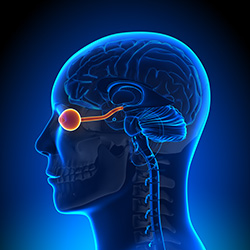 Several nutrients and vitamins such as bilberry and taurine help protect the optic nerve from damage. Glaucoma causes optic nerve damage. Optic neuritis and optic nerve atrophy are serious conditions that harm the optic nerve. Since the optic nerve sends electrical signals from the eye to the brain, any interruption damages vision. How does the optic nerve work? Which diseases damage the optic nerve? What does the research show about how nutrients, foods, and vitamins protect the optic nerve? Taurine, gingko biloba, a fruit called bilberry, Vitamin C, and Vitamin B12 among others have demonstrated their usefulness. Continue reading “Protect the Optic Nerve with Taurine, Bilberry, and More”
How to Improve Your Vision Health
 People who have advanced eye disease have waited too long to improve their vision health. Keeping the eyes health is a lifetime endeavor. An unhealthy lifestyle and poor nutrition lead to a higher risk of eye diseases. Researchers have linked cataracts, macular degeneration, glaucoma, optic neuropathy, retinal vein occlusions, and other eye conditions to mostly-controllable risk factors. Seniors are especially at risk. Natural Eye Care offers this guide to improving vision health. Continue reading “How to Improve Your Vision Health”
Anti-Inflammatory Vision Diet for the Holidays
 Inflammation is a factor in many eye diseases, and what you eat affects inflammation. Whenever major holidays comes along, we are tempted to eat special foods. Many of these treats are high in calories and sugar, which contribute to inflammation. While you don’t want to spoil anyone’s fun, you can choose to eat foods that are anti-inflammatory. At the end of this article, you will find tips for limiting the damage while still enjoying the holiday. Continue reading “Anti-Inflammatory Vision Diet for the Holidays”
Age-Proofing Your Eyes to Preserve Vision
 While Americans spend billions of dollars each year on how they LOOK, little attention is given to how they SEE. Seniors are especially vulnerable to eye diseases such as glaucoma, age-related macular degeneration, and cataracts, as well as hypertension-related eye damage such as retinal vein occlusion.
The American Academy of Ophthalmology issued guidelines on aging and the eye as a result of its 2015 Eye-Q© Survey[1. American Academy of Ophthalmology https://www.prnewswire.com/news-releases/remember-your-eyes-when-it-comes-to-fighting-the-signs-of-aging-300138352.html] (updated with 2016 data).
Here is a summary of their recommendations.
Continue reading “Age-Proofing Your Eyes to Preserve Vision”
Optic Neuritis: A Complete Overview from Natural Eye Care
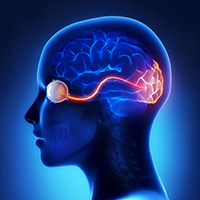 Optic neuritis is swelling and inflammation of the optic nerve that can cause eye pain, visual impairment, dull colors, and/or flashing lights. Since the optic nerve carries visual information to the brain, any symptoms of optic neuritis should be checked by a doctor immediately. If a patient has just one incident, chances are good that they will fully recover. However, inflammation of the optic nerve can be the first sign of multiple sclerosis, a serious degenerative disease.
One of the dangers of this problem is that the optic nerve can lose some of its myelin. The myelin sheath is fatty tissue that protects the nerves. When the myelin sheath is compromised, the nerves can be damaged. This is one important reason to consult Continue reading “Optic Neuritis: A Complete Overview from Natural Eye Care”
MSM Fights More Than Inflammation
 Methylsulfonylmethane, known as MSM, is commonly utilized in the form of MSM eyedrops or powder in vcaps to be taken as a supplement. It is well known for its anti-inflammatory capacity, documented by researchers. Scientists are documenting substantiating research and finding new uses.
Anti-Inflammation
MSM inhibits inflammasomes, which are protein formations that stimulate production of lymphocytes (white blood cells). It also inhibits the activity of ‘pro-cytokines’ which promote inflammation throughout the body, creating health-damaging fevers and causing tissue death and shock.1 This effect of MSM is useful in reducing the tissue swelling that damages the optic nerve, causes eye soreness of dry eyes and Sjogrens syndrome and other inflammatory-related conditions.
MRI Identifies Optic Neuritis Lesion Location for Better Prognosis
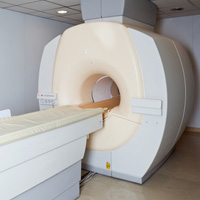 Researchers from the University of Erlangen-Nuremberg Hospital in Germany have determined that advanced MRI (magnetic resonance imaging) can assist in accurately diagnosing optic nerve health – in particular, optic neuritis and the prognosis for short-term recovery and decision as to the most appropriate therapies.
Optic neuritis is a potentially serious inflammation of the optic nerve, sometimes accompanied by loss or damage to the myelin sheath that surrounds the optic nerve. It is most often experienced by younger adults, and whose symptoms can include pain, vision changes in perception of color, light/dark perception, and blurriness. It can come on suddenly and often is of short duration with full recovery in 90% of patients.
Continue reading “MRI Identifies Optic Neuritis Lesion Location for Better Prognosis”
Notable People Who Have Vision Conditions
Even VIPs have eye conditions. Here’s an interesting collection of ten notables who have serious vision conditions, and who have made a success of their lives nonetheless!
 1. Steve Wynn: Las Vegas casino developer and the owner of such resorts as the Wynn Las Vegas, Wynn Macau, Bellagio, The Mirage, et cetera. Wynn has developed retinitis pigmentosa which includes progressive degeneration of the photoreceptor cells of the retina. Such degeneration results in poor night vision, light to dark adaption and impaired peripheral vision. Mr. Wynn recently partnered with the University of Iowa to establish the Stephen A. Wynn Institute for Vision Research. He donated $25 million to help the university find a cure for blinding eye diseases.
2. Jon Wellner: American actor with the recurring role as toxicologist Henry Andrews in CSI: Crime Scene Investigation. Wellner also has retinitis pigmentosa which has not yet impacted his work. He does however wear glasses. Not only does he continue to act but he also owns his own research company that does research for CSI: Miami, Bones, CSI: Crime Scene Investigation, and others. Continue reading “Notable People Who Have Vision Conditions”
What is Optic Neuritis?
Optic neuritis is an inflammation of the optic nerve that most often strikes young people aged 18-45. It is often accompanied by demyelination of the optic nerve. Demylenation is a loss of some of the fatty covering, called the myelin sheath, that protects the nerve and helps it conduct signals. While most people who develop optic neuritis recover their vision without treatment, a doctor must be consulted. This condition can lead to permanent damage of the optic nerve, creating partial or total blindness or holes in the visual field.
Symptoms
Symptoms typically include pain (in 92% Continue reading “What is Optic Neuritis?”