MSM Fights More Than Inflammation

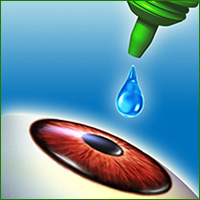
msm eye dropsMethylsulfonylmethane, known as MSM, is commonly utilized in the form of MSM eyedrops or powder in vcaps to be taken as a supplement.  It is well known for its anti-inflammatory capacity, documented by researchers.  Scientists are documenting substantiating research and finding new uses.

Anti-Inflammation

MSM inhibits inflammasomes, which are protein formations that stimulate production of  lymphocytes (white blood cells).  It also inhibits the activity of ‘pro-cytokines’ which promote inflammation throughout the body, creating health-damaging fevers and causing tissue death and shock.1 This effect of MSM is useful in reducing the tissue swelling that damages the optic nerve, causes eye soreness of dry eyes and Sjogrens syndrome and other inflammatory-related conditions.
Continue reading “MSM Fights More Than Inflammation”

Flavonoids in Deeply Colored Berries Protect People From Disease

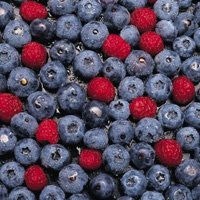
blueberries and raspberries antioxidantsA fruit cup of mixed berries is a powerful snack: deeply colored fruits are filled with flavonoids and other antioxidants that help protect the body from disease. Antioxidants help prevent free-radical damage, which is believed to be responsible for the onset of eye diseases such as cataracts and macular degeneration.

The colored flavonoids found in berries are called “anthocyanins”. These water-soluble pigments make plants shades of red, purple and blue. Berries also contain flavonoids called “quercetin” and “apigenin”. In the field or in the wild, these flavonoids help protect the plant from pests and insects.

Continue reading “Flavonoids in Deeply Colored Berries Protect People From Disease”

Forty Percent of Cancers Caused by Lifestyle

Alcohol is a preventable cause of cancerA recent UK research study shows that 40% of all cancers are caused by avoidable lifestyle considerations, such as diet, excess weight, smoking, and/or alcohol consumption. Tobacco use was shown to cause the most cancers.
“Many people believe cancer is down to fate or ‘in the genes’ and that it is the luck of the draw whether they get it,” study author Professor Max Parkin, a Cancer Research UK epidemiologist based at Queen Mary, University of London. The reality is, based on the study, that many cancers can be avoided through lifestyle changes.

The research showed that in Britain:

Blueberry Consumption Reduces Growth and Spread of Triple Negative Breast Cancer in Mice

In animal studies at the Beckman Research Institute, feeding blueberry powder to lab mice markedly reduced the growth and spread of very aggressive triple negative breast cancer cells.

This form of breast cancer applies to 10 – 15% of all breast cancer incidences. Normally, the best treatments for breast cancer target estrogen receptors, human epidermal growth factor receptor 2 (HER2), and progesterone receptors. But, triple negative breast cancer doesn’t have these receptors and is thus very resistant to traditional chemo-therapy and is more likely to return.

In the first study, mice were fed either a control diet (no blueberries), a diet with 5% freeze-dried blueberry powder, or 10% blueberries. The 5% diet is approximately the same as a human eating 2 cups of fresh blueberries per day. The amount of blueberries in this study did not make much difference, but the size of breast tumors that developed were significantly (60%-75%) smaller in the blueberry groups than the control group.

The second study looked at metastasis, the spread of breast cancer. Mice who had a 5% blueberry diet had 70% fewer liver cancer tumors and 25% fewer lymph node tumors when compared to the mice who ate a regular diet.

Although these results can’t be directly applied to women, this may be one step nearer finding an effective and safe diet strategy to limit triple negative breast cancer.

Editor’s Note: Numerous peer review studies have been done showing the benefit of blueberry (wild bilberry) in helping preserve vision for a wide range of eye conditions including macular degeneration, diabetic retinopathy, cataracts and glaucoma. Our Advanced Eye and Vision Support (whole food) Formula contains both European Bilberry and South American Non-hybrid Blueberry along with a wide range of essential antioxidants for overall eye health.

Fish Oil Can Reduce Risk of Breast Cancer As Well As Eye Disease

Taking fish oil every day can reduce the risk of developing breast cancer.

A study published in The Journal of Nutrition studied women with early breast stage breast cancer who took omega fatty acids EPA and DHA in the form of both seafood and dietary supplements.  Women who took the most EPA and DHA were 25% less likely to suffer from further breast cancers compared to those in the study who took markedly less of the omega-3s.  Source: https://jn.nutrition.org/content/141/2/201.short?rss=1

This is great news – and it just adds to the already ample evidence about the benefits of fish oils.  Studies have also shown that omega-3 fatty acids can help ward off macular degeneration, retinitis pigmentosa, and dry eye syndrome, just to name a few.  Visit our research pages to learn more.

Care for Early Breast Cancer

On another positive note, researchers reported  that for women who receive breast cancer treatment, may not require an operation to remove the lymph nodes under the arms.  This is a procedure that often leaves the patient with very swollen and painful arms.  The scientists reported that such surgery did not help survival rates or stop the cancer from recurring.

Another study determined that one dose of radiation directly to the tumor location immediately after breast cancer surgery, was just as effective as weeks of radiation treatments following surgery.

Reported by the New York Times

High Fat and Cholesterol Diets Linked to Breast Cancer

french friesThe fat and cholesterol that is so common in the Western diet may make people more susceptible to breast cancer.

The study, published in the American Journal of Pathology, indicates mice fed diets high in fat and cholesterol developed twice as many tumors as mice that ate limited amounts of fat and cholesterol.  The mice who ate “junk food” grew tumors that were 50% larger than those in their healthier friends.

One intriguing aspect of the study: the “Western diet” mice had lower blood cholesterol levels.  Researchers state that this shows that cancer actually uses cholesterol to fuel its growth.  Source: https://www.foodconsumer.org/

Our Vision Diet will not only help your eyes, but will improve your overall health and can help prevent a host of other diseases.

Household cleaners linked to breast cancer

Study shows breast-cancer risk was highest among women who reported the most use of cleaning products and air fresheners, and was double the risk for those who reported low use of the products.

The Cape Cod Breast Cancer & Environment Study assessed the health of women in Massachusetts and found a likely link between home cleaning products and air fresheners use and breast cancer.  The researchers determined that the risk of breast cancer was highest in those women who used the products the most:  double the risk of women who used such products infrequently.

Editor’s Note: We recommend using natural house cleaners and air fresheners as these are free from chemicals and potentially hazardous products. You can get these online or at your health food store. Other natural cleaners include Murphy’s and Dr. Bronner’s cleaners which may be available in your supermarket.  Even better, and far more economically, you can use baking soda and white vinegar for almost all cleaning tasks.  Here’s a great article on cleaning your home with baking soda, white vinegar and lemon.


Breast Cancer Researchers Focus on Stem Cells

Cancer drugs and radiation target and kill fast-growing cancer cells. But a small number of noncancer cells in the tumor often survive. These, researchers believe, are “mother” cells — stem cells that shrug off treatment and survive to manufacture more cancer cells.

Cancer drugs and radiation target and kill fast-growing cancer cells. But a small number of noncancer cells in the tumor often survive. These, researchers believe, are “mother” cells — stem cells that shrug off treatment and survive to manufacture more cancer cells.

“Cancer stem cells are present, we believe, in all cancers,” said Dr. Jenny Chang, medical director of the breast center at Baylor College of Medicine. “So that 1 to 5 percent of the cancer contains cancer stem cells. And while chemotherapy kills 99 to 95 percent of the tumor, what’s left behind is the 5 percent of cancer stem cells. Those will then regrow and regenerate.”

Chang spoke at a press briefing on experimental new cancer drugs Friday at the 32nd annual San Antonio Breast Cancer Symposium , which continues through Sunday.

Exposure to Light at Night Linked to Breast Cancer

Women who live in neighborhoods with large amounts of nighttime light are more likely to get breast cancer than those who live in areas where the nights are darker. This reinforces previous studies that exposure to too much light at night can raise the risk of breast cancer by interfering with the brain’s production of melatonin, a tumor-suppressing hormone.

A study published in the journal Chronobiology International overlaid satellite images of Earth onto a map with local statistics of breast cancer and, for comparison, lung cancer, which is caused mostly by smoking and would not be expected to be linked to light.

After adjusting for variables such as ethnic makeup, birth rate, population density and local income, researchers found that breast cancer rate in localities with average night lighting to be 37% higher than in communities with the lowest amount of light. The rate was higher by an additional 27% in areas with the highest amount of light.

Research has shown that rats raised in cages where lights are left on at night have higher cancer rates than those allowed to sleep in darkness. Epidemiological studies of nurses, flight attendants and others who work at night have found breast cancer rates 60% above normal, even when other factors such as differences in diet are accounted for. On the basis of such studies, an arm of the World Health Organization announced its decision to classify shift work as a “probable carcinogen.”

SOURCE: Lights at Night Are Linked to Breast Cancer http://www.washingtonpost.com/wp-dyn/content/article/2008/02/19/AR2008021902398.html?hpid=moreheadlines

Women with breast cancer have low vitamin D levels

Women with breast cancer should be given high doses of vitamin D because a majority of them are likely to have low levels of vitamin D, which could contribute to decreased bone mass and greater risk of fracture

In a new study, it was found that breast cancer patients have low levels of vitamin D, aggravating low bone mass and fracture risk.

These patients have accelerated loss of bone mass due to hormone and chemo therapies.

The recommended weekly supplement for high doses of vitamin D is 50,000 international units or more improved the levels, according to Peppone’s study and the blood levels close to 32 nanograms per milliliter are adequate according to the U.S. Institute of Medicine.

According to Dr. Cedric Garland, a vitamin D expert and pioneer a woman’s chances of developing breast cancer can be ‘virtually eradicated’ by elevating her vitamin D levels to what  scientists demonstrate are  natural blood levels.