
 The brain and eyes are intimately connected, and the nutrients essential for eye health are the same as for brain health. A retinal scan can detect the early onset of Alzheimer’s Disease, Parkinson’s Disease, and Multiple Sclerosis before symptoms appear.
Numerous studies have shown that dietary factors help prevent brain and eye disease. They have a critical effect on neuronal function and synaptic plasticity. Recent findings have shed light on key processes through which nutrition influences brain health and cognitive performance. Alongside lifestyle factors like physical activity, what we eat has played a significant part in the development of our mental abilities and the evolution of the human brain. Continue reading “Brain Health and Nutrition”
 Coronary artery disease stands as the leading form of heart disease in the United States, impacting more than 20 million people. Among atherosclerosis’s most serious risks are heart attacks and strokes, both of which can have life-altering consequences. Fortunately, there are powerful steps you can take to protect your heart health. Building a balanced diet, staying active, and using carefully chosen supplements all play an important role in preventing and managing atherosclerosis. In this article, we will discuss how atherosclerosis happens, its effects on the body, and nutrients that support heart health. We also review basic lifestyle choices, such as exercise and remaining smoke-free, that can add years to your life.
 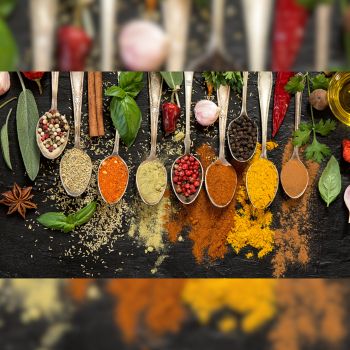 Herbs and spices do more than add flavor—they’re packed with nutrients that support vision, brain, and overall health. Used for centuries in traditional medicine, these powerful plants are now backed by modern research. Whether you add them to your meals or take them as supplements, the right herbs can play a key role in maintaining healthy eyes and aging well.
 We might not connect our eating habits to eye disease, but poor nutrition impairs circulation. Reduced circulation can contribute to eye diseases, including cataracts, glaucoma, retinal vascular occlusions, ischemic optic neuropathy (ION), dry eyes, macular degeneration, and diabetic retinopathy. Instead of being a “victim” of eye diseases in your senior years, you can take charge of your health today!
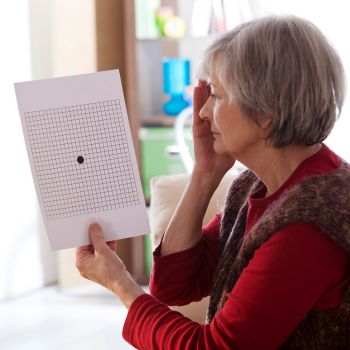 Macular degeneration is also known as AMD, which is an acronym for “Age-Related Macular Degeneration.” It is the leading cause of irreversible blindness. Limited conventional treatments are available. However, natural remedies can go a long way toward reducing the risk of AMD onset. They can help prevent AMD from progressing to the point of vision loss. And, in many cases, lifestyle considerations and targeted supplementation can improve vision loss from AMD.
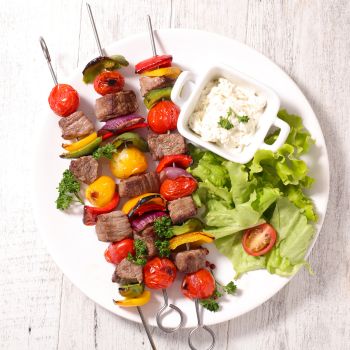 Not all foods play well together. Meat and Potatoes. Surf and Turf. Chicken with Rice. Sounds yummy, right? However, proponents of food-combining diets would not combine protein with carbs, and or mix different types of proteins. Food combining advocates believe that eating certain types of food in the same meal can lead to disease, toxin buildup, and digestive issues. They also believe that proper combinations can help relieve these problems.
 What is the relationship between brain health and eye health as we age? Our brains adapt and form new connections throughout our lives. Nutrition, lifestyle choices, and early detection play major roles in keeping the brain healthy, and the eyes. Find out about Natural Eye Care’s holistic approach to brain and eye health.
  At Natural Eye Care, we view vision health from a whole-body perspective. Eye studies can reveal how to manage the visual system. However, the health of the eyes is connected to overall health. The visual system requires as much as 25% of the nutrients we take into our bodies. The brain needs even more. How we take care of ourselves goes a long way in helping to preserve healthy vision. Personal care includes emotional balance, and lifestyle considerations such as eating a healthy diet, exercising regularly, and targeted supplementation.
 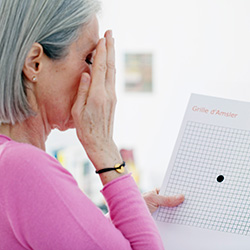 Wet Age-Related Macular Degeneration and Diabetic Retinopathy can lead to vision loss from angiogenesis. Angiogenesis is the growth of unwanted blood vessels in the retina. These excess blood vessels obscure or distort vision and damage the eye. They can result in permanent damage if not treated, typically by injection of EyLea, Avastin, or Lucentis. Macular Degeneration (ARMD) and Diabetic Retinopathy are most prevalent among seniors over age 60. Are there any natural methods to help retard the growth of extra blood vessels in the eye?
 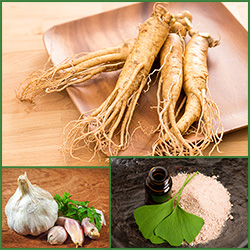 Three time-tested supplements stand out as champions for eye and brain health: garlic, ginseng, and ginkgo. Research on these supplements backs up why they have been used for thousands of years. Garlic plays an important role in all three major traditional medicines–Traditional European Herbal Medicine, Ayurveda, and Traditional Chinese Medicine. Ginseng and ginkgo are crucial herbs in Traditional Chinese Medicine. Do these supplements work? Are they beneficial for aging brains and eyes? What does the research show?