
Brain Health and Nutrition

Family sharing a meal. Nutrition is crucial for brain healthThe brain and eyes are intimately connected, and the nutrients essential for eye health are the same as for brain health. A retinal scan can detect the early onset of Alzheimer’s Disease, Parkinson’s Disease, and Multiple Sclerosis before symptoms appear.

Numerous studies have shown that dietary factors help prevent brain and eye disease. They have a critical effect on neuronal function and synaptic plasticity. Recent findings have shed light on key processes through which nutrition influences brain health and cognitive performance. Alongside lifestyle factors like physical activity, what we eat has played a significant part in the development of our mental abilities and the evolution of the human brain. Continue reading “Brain Health and Nutrition”

Nutrients & Diet for High Blood Pressure

walking to prevent high blood pressureDid you know that untreated high blood pressure increases the risk, not only of heart attacks and strokes, but eye conditions such as advanced macular degeneration, glaucoma, and macular edema?

Studies support a target blood pressure for most people of 120/80 mm Hg, with an optimal level of 115/75 mm Hg for many people.[1. Hansen TW, Kikuya M, Thijs L, Li Y, Boggia J, et al. (2008). Diagnostic thresholds for ambulatory blood pressure moving lower: a review based on a meta-analysis-clinical implications. J Clin Hypertens (Greenwich).  May;10(5):377-81.] Continue reading “Nutrients & Diet for High Blood Pressure”

Natural Ways to Help Lower Cholesterol

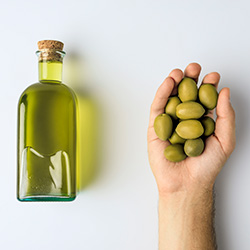
There are a number of food sources that lower cholesterol, reduce heart disease and cut the risk of Macular Degeneration naturally. These include olive oil, oat bran, apples, walnuts, red rice yeast, omega-3 fatty acids, and nattokinase.

olive oil lower cholesterol

There are several foods that help lower cholesterol levels.

Foods that are high in soluble fiber help reduce cholesterol. Soluble fiber draws water into the gut, softening stools and promoting regularity. Gut-friendly bacteria eat soluble fiber. Dietary fiber can be soluble or insoluble. Women should get 25 grams of dietary fiber per day, and men should get 38 grams per day. However, few Americans regularly reach this recommended daily amount (RDA). Continue reading “Natural Ways to Help Lower Cholesterol”

Age-Related Eye Disease Prevention

Older adult may face eye disease with agingAs people age, eye diseases and conditions that commonly occur include macular degeneration, cataracts, vitreous tears/retinal tears and detachments, glaucoma, diabetic retinopathy, dry eyes, and eye floaters.

The question arises as to whether eye disease is inevitable with age. Will all older adults eventually have a “glint” in their eyes after cataracts surgery? More than 50% of people aged 75+ have glaucoma, cataracts, or macular degeneration. Can aging adults do anything to prevent, manage or slow down eye diseases associated with aging?

A large body of research is accumulating that shows the effects of regular eye exercises, good nutrition, and targeted supplementation on preventing and/or managing eye conditions. For instance, peer-reviewed research has shown that the risk of getting macular degeneration can be significantly reduced by taking fish oil and lutein on a daily basis. Vigorous exercise may reduce the incidence of glaucoma. And the effects of antioxidants on preventing cataract and macular degeneration have been the subject of significant research.

Continue reading “Age-Related Eye Disease Prevention”

Macular Degeneration Twins Study Results

Image via nlm.gov

A diet that includes vitamin D, betaine and methionine can help to lower your risk of developing macular degeneration (AMD).  A study of identical twins conducted by the Tuft Medical Center also supports the assertion that smoking increases one’s chance of getting AMD.

AMD tends to run in families, and this opportunity to look at twins who exhibit different stages of the disease allowed researchers to zero in on how diet and lifestyle habits affected the condition’s progression.

According to the source of this story, Science Daily, Vitamin D, which is added to many milk products, may reduce the risk of AMD because it has anti-inflammatory properties.  Betaine (contained in fish, grains, and spinach) and methionine (found in poultry, fish, and dairy products) both seem to work at the DNA level to slow the progression of the disease.

This study was published in the July 1 issue of Ophthalmology.

Whole Grains, Fiber Help Women Control Diabetes

whole grain
Image via womenshealth.gov

Whole Grains

Women with diabetes can cut their risk of death from a heart attack by eating more whole grains.

A study published in the journal Circulation discusses how women who are a diet rich in whole grains and wheat bran were 16-31% less likely to die over a 26 year period compared to women who did not eat those foods.   When researchers considered mortality risks specifically associated with cardiovascular problems, those who ate a whole-grain and bran healthy diet were 28-35% less likely to die of heart related causes during the study’s duration.

Source: Food Consumer

Fiber

A new study indicated that people with diabetes who take psyllium fiber supplements paired with a low glycemic diet can experience a reduced glycemic risk factors including glycosylated hemoglobin A1c [A1C] or postprandial plasma glucose [PPG] concentrations.  Source: Food Consumer

It can also be important to eat a diet high in fiber. Focus on fruits, vegetables, seeds, oats, and whole-grain products. Note: Diabetics with unrecognized kidney failure could develop serious complications from a high-fiber (and therefore high-potassium) diet.

Learn more about how to help manage diabetes.


Are Grains Always Good For You? Potential Diabetes Risk


Though we have often heard that whole grains are an essential part of a healthy diet, but this may not be true for everyone. According to Dr. Mercola, over 85% of Americans have trouble controlling their insulin levels which is related to the development of diabetes.

Eating carbohydrate-containing foods, whether high in sugar or high in starch (such as bread – even organic, whole-grain bread, potatoes, processed breakfast cereals, and rice), temporarily raises blood sugar and insulin levels. The blood sugar-raising effect of a food, called its “glycemic index,” depends on how rapidly its carbohydrate is absorbed. People eating large amounts of foods with high glycemic indices, have been reported to be at increased risk of type 2 diabetes.

However, diets high in total carbohydrates do not necessarily increase the risk of type 2 diabetes and some studies have found no independent relationship between sugar intake and the development of glucose intolerance.

For more on natural diabetes treatment and prevention as well as information on the related condition diabetic retinopathy, please visit our website.

Whole Grains, Garlic & Acupuncture Lower High Blood Pressure

Eating lots of whole grains could ward off high blood pressure, according to a study in the American Journal of Clinical Nutrition.

In the study, men with the highest whole-grain consumption were 19 percent less likely to develop high blood pressure than men who ate the least amount of whole grains.

Whole Grains Lower Blood Pressure

Eating lots of whole grains could ward off high blood pressure, according to a study in the American Journal of Clinical Nutrition.

In the study, men with the highest whole-grain consumption were 19 percent less likely to develop high blood pressure than men who ate the least amount of whole grains.

While refining grains removes their outer coating, whole grains retain their bran and germ, so they are richer in many nutrients, Dr. Alan J. Flint of the Harvard School of Public Health in Boston and his colleagues note in their report.

The most recent US guidelines recommend that people get at least 3 ounces, or 85 grams, of whole grains daily, and that they consume at least half of their grains as whole grains.

SOURCE: American Journal of Clinical Nutrition, September 2009

Acupuncture Lowers Blood Pressure

Researchers have determined that acupuncture can be employed to significantly lower both diastolic and systolic blood pressure as effectively as aggressive lifestyle changes and anti-hypertensive medications.

Published: Circulation, June 2007

Garlic Lowers Blood Pressure

Another study shows that the regular intake of aged garlic can help lower blood pressure.

Australian researchers publishing in Maturitas say that people with a systolic pressure (the “top” number) of over 140 can be helped by taking 960 mg of encapsulated garlic extract.

Editor’s Note: Nutrients that help lower high blood pressure include coleus forskohlii, omega-3 fatty acids, CoQ10, Vitamin C, Taurine and Arginine for example. See more information on lowering blood pressure naturally.