
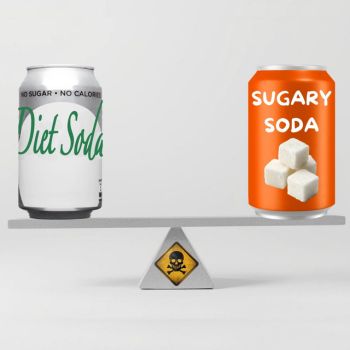
 Artificially sweetened sodas are popular, but research suggests their ingredients may have serious consequences for our health, especially when it comes to fatty liver disease, heart health, and brain function. In this article, we take a closer look at the latest studies on diet sodas, added sugars, and their surprising effects on everything from your gut microbiome to your risk for chronic disease. If you care about long-term wellness or want to make informed choices about what you drink, read on for the evidence and practical alternatives. Continue reading “Fatty Liver Disease and Other Dangers of Diet Soda and Artificial Sweeteners”
Category: Anti-aging
Cognitive Problems in Young Adults: Social Isolation and Excessive Screen Time
 Cognitive issues are not only affecting seniors as they are living longer, but a new study shows that more younger Americans, ages 10–39, are struggling with cognitive problems than just a decade ago. Issues include trouble concentrating, remembering, or making decisions.[1. Centers for Disease Control and Prevention. “Prevalence of Cognitive Disability Among Young and Older Adults — United States, 2011–2015.”]
Recent changes in cognitive trends are influenced by various factors. Increased engagement with digital media is affecting brain development and attention patterns. At the same time, structural disadvantages such as lower income and reduced access to education are linked to a greater prevalence of cognitive difficulties. Continue reading “Cognitive Problems in Young Adults: Social Isolation and Excessive Screen Time”
Unlocking the Power of Cocoa and Flavanols: Benefits for Heart, Brain, and Vision Health
 Love chocolate? You’re not alone—and science is on your side. Cocoa flavanols and dark chocolate aren’t just delicious treats; they’re packed with natural compounds that can benefit your heart, brain, and even your vision. In this article, we examine the latest research on cocoa flavanols and other plant-based nutrients, revealing how your favorite indulgence may actually support your long-term health. Read on to discover how these everyday foods can make a real difference for your cardiovascular, cognitive, and eye health. Continue reading “Unlocking the Power of Cocoa and Flavanols: Benefits for Heart, Brain, and Vision Health”
Can Collagen Reduce Glaucoma Risk?
 Collagen can help reduce the risk of eye conditions such as glaucoma, cataracts, and macular degeneration. Connective tissue is made up primarily of collagen. This scaffolding provides elasticity and strength to the tendons, bones, ligaments, and skin. The eyes depend on collagen to function properly. As we age, we produce less collagen. This causes wrinkles in the skin. Losing collagen leads to an eye condition in middle age called “presbyopia” – a longer focal distance. Adding collagen may improve the elasticity of the eye. This article explores the research on collagen and glaucoma. Continue reading “Can Collagen Reduce Glaucoma Risk?”
Nattokinase Supplements for Heart Health Benefits
Did you know that two substances of Asian origin, nattokinase and serrapeptase, have significant health benefits? Scientific studies have revealed some of the reasons why longevity is associated with regular consumption of serrapeptase and nattokinase supplements. Specifically, we will discuss cardiovascular disease, eye issues such as floaters, macular degeneration, and diabetic retinopathy, internal scar tissue from autoimmune disorders, lung disease, sinusitis, neurological disorders, and inflammatory bowel disease. Continue reading “Nattokinase Supplements for Heart Health Benefits”
Physical Exercise Reduces Eye Disease and Dementia
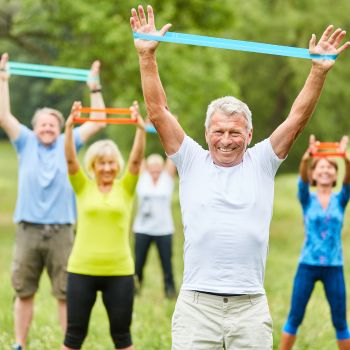 Physical exercise is vital for eye health and overall health. Research shows the positive impacts of exercise on common eye conditions. What is the intricate relationship between exercise and eye health? Can regular physical activity reduce the risk of age-related eye diseases? What role does nutrition play? And, can physical exercise help stave off neurological disease, heart disease, and other chronic illnesses associated with aging? At Natural Eye Care, we want to support you with knowledge and practical tips for getting the exercise you need. Continue reading “Physical Exercise Reduces Eye Disease and Dementia”
Natural Anti-Aging: Fight Neurological Disease
 Aging Strains the Brain
The proportion of the elderly is increasing rapidly worldwide in recent decades with rapid socio-economic development. In 2019, there were 1 billion people aged 60 years and older. It is estimated that this number will increase to 1.4 billion by 2030, and to 2.1 billion by 2050. The proportion of the elderly (aged >60 years) is estimated to rise to 22% of the world population by 2050. [1. Larbi et al., 2013] Continue reading “Natural Anti-Aging: Fight Neurological Disease”
NMN (Nicotinamide Mononucleotide): The New Anti-Aging Nutrient?
 Is it possible that NMN – nicotinamide mononucleotide – is an anti-aging nutrient? This chemical occurs naturally in the body, but levels drop in seniors. Researchers are finding that taking NMN supplements appears to have benefits. How does NMN work? What does it do? And, could seniors slow down the aging process by taking it?
Continue reading “NMN (Nicotinamide Mononucleotide): The New Anti-Aging Nutrient?”
Nutrients & Diet for High Blood Pressure
 Did you know that untreated high blood pressure increases the risk, not only of heart attacks and strokes, but eye conditions such as advanced macular degeneration, glaucoma, and macular edema?
Studies support a target blood pressure for most people of 120/80 mm Hg, with an optimal level of 115/75 mm Hg for many people.[1. Hansen TW, Kikuya M, Thijs L, Li Y, Boggia J, et al. (2008). Diagnostic thresholds for ambulatory blood pressure moving lower: a review based on a meta-analysis-clinical implications. J Clin Hypertens (Greenwich). May;10(5):377-81.] Continue reading “Nutrients & Diet for High Blood Pressure”
What Causes Accelerated Aging? Research on Senescent Cells
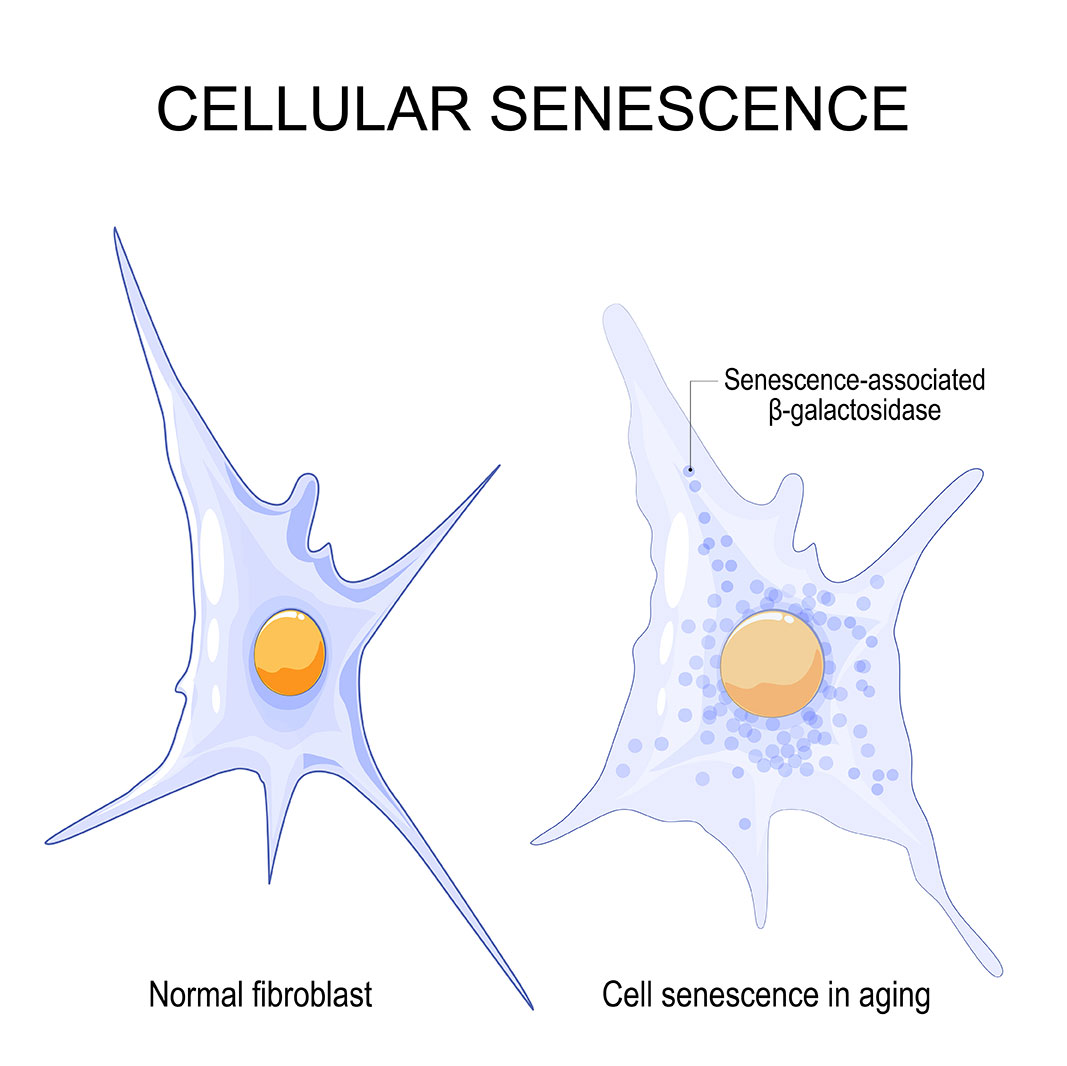
Remaining energetic and healthy is generally a goal for seniors. In this article, we will look at one of the factors that cause accelerated aging — senescent cells. Damaged cells cause visible signs of aging: liver spots, gray hair, and wrinkles. Disease, injury, and other stress factors harm cells throughout our body. Increased free radical activity contributes to accelerated aging.
Ideally, the damaged cells are removed by our immune system through a process called apoptosis. Damaged cells die, are eliminated, and are replaced by new cells. About 1% of all of our cells are replaced daily — billions of cells.[1. Fischetti M, Christiansen J. (2021). A New You in 80 Days. Sci Am. 324(4):76.] Continue reading “What Causes Accelerated Aging? Research on Senescent Cells”