
 Love chocolate? You’re not alone—and science is on your side. Cocoa flavanols and dark chocolate aren’t just delicious treats; they’re packed with natural compounds that can benefit your heart, brain, and even your vision. In this article, we examine the latest research on cocoa flavanols and other plant-based nutrients, revealing how your favorite indulgence may actually support your long-term health. Read on to discover how these everyday foods can make a real difference for your cardiovascular, cognitive, and eye health. Continue reading “Unlocking the Power of Cocoa and Flavanols: Benefits for Heart, Brain, and Vision Health”
Category: Metabolic syndrome
Oxidative Stress and Metabolic Syndrome
 Extra weight around the belly may not seem hazardous. However, a higher abdominal circumference is one of several contributing factors to Metabolic Syndrome. As a risk factor for diabetes and cardiovascular disease, Metabolic Syndrome can creep up over time. Hormones, insulin resistance, genetics, organ dysfunction, and mitochondrial dysfunction can play a role.
Lifestyle, including nutrition and exercise, are factors that contribute to Metabolic Syndrome, and are under our control. Therefore, preventing or reversing metabolic syndrome can improve both lifespan and quality of life. Diabetic retinopathy, central retinal artery occlusion, cataract, age-related macular degeneration, glaucoma, and dry eye syndrome are eye diseases with similar underlying risk factors to Metabolic Syndrome. Oxidative stress ties into all these problems. What is the science behind Metabolic Syndrome? What can you do to head it off? Continue reading “Oxidative Stress and Metabolic Syndrome”
Why Should You Reduce Your Sugar Intake?
 You have heard that our diets have too much sugar. What does this mean? How does sugar affect our health, short-term and long-term? A large body of research shows the detrimental effects of excessive sugar, from tooth decay to diabetes. High-fructose corn syrup is especially villainized. And sugar is even blamed for hurting immunity. Continue reading “Why Should You Reduce Your Sugar Intake?”
Halting Diabetic Retinopathy: Every Diabetic Patient’s Guide to Preserving Vision
 Diabetic retinopathy is a vision-stealing effect of diabetes. What causes diabetes, and how can you prevent it? Can diabetic patients prevent this eye disease? What can you do to halt diabetic retinopathy? How can patients preserve their vision?
Step 1: Don’t Get Diabetes
Avoiding Type 1 Diabetes is a virtual impossibility. Doctors do not know why the immune system attacks the pancreas. The underlying cause is typically genetic, but a trigger also seems to be needed. Type 1 is usually diagnosed in childhood and represents less than 10% of diabetic cases. Continue reading “Halting Diabetic Retinopathy: Every Diabetic Patient’s Guide to Preserving Vision”
Can Omega-7 Fish Oil Reduce Dry Eyes and Metabolic Syndrome?
 Scientists recently discovered a fat molecule that they called “palmitoleic acid”, a type of Omega-7 fatty acid. The substance appears to have special anti-inflammatory properties. Omega-7 occurs in certain fish oils and nuts. You may have heard of Omega-3 fatty acids, which come mostly from cold water fatty fish. Omega-3s reduce inflammation and heart disease risk. Omega-6 fatty acids occur in primarily in nuts and seeds, vegetable oil and grains. Omega-6 fatty acids are polyunsaturated fats. Omega-7s are monounsaturated fats, similar to olive oil. How are these types of fats different? What makes palmitoleic acid so important for preventing Type 2 diabetes and metabolic syndrome? Should you get them through food or supplements? How much should you take? Continue reading “Can Omega-7 Fish Oil Reduce Dry Eyes and Metabolic Syndrome?”
French Maritime Pine Bark Supports Healthy Cardiac Function and Eye Health
 You may have heard that French Maritime pine bark extract, or Pinus pinaster, can reduce atherosclerosis. Hardening of the arteries is a leading cause of heart attacks and stroke. The middle-aged and seniors are vulnerable to high cholesterol, high blood pressure, and high blood sugar. Diet, exercise, and weight management are important for controlling metabolic syndrome. Additionally, this extract has been shown to alter fat metabolism and inflammation that are factors in atherosclerosis. How does French Maritime Pine bark extract address plaque build-up in the arteries? Continue reading “French Maritime Pine Bark Supports Healthy Cardiac Function and Eye Health”
Antioxidant Astaxanthin Protects the Eyes from Disease and Damage
 Astaxanthin is an extremely powerful antioxidant that is sometimes overlooked. It protects the body from free radical damage. Ten times more powerful than beta-carotene, astaxanthin is a carotenoid that can cross the blood-brain barrier[1. Tso and Lam 1996]. This means it can reach the retina and macula of the eye.
Seniors need to be especially protective of their eye health. In Age-Related Macular Degeneration, the yellowish-colored macular responsible for central vision begins to break down. This makes driving, reading, cooking and recognizing faces difficult or impossible. Cataracts cause haziness and blurring as the lens becomes obscured. And glaucoma gradually steals peripheral vision due to damage to the optic nerve. A large body of research points Continue reading “Antioxidant Astaxanthin Protects the Eyes from Disease and Damage”
Glaucoma Associated with Metabolic Syndrome
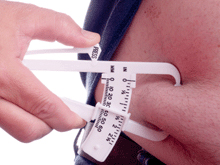
Don’t just take it from us that glaucoma risk increases in those who have diabetes, high blood pressure, and who are overweight. Researchers publishing in the journal Ophthalmology have found that these conditions, which together are labeled “metabolic syndrome” are all linked to the development of open-angle glaucoma.
A staggering 20% of people in America are said to have metabolic syndrome. Both metabolic syndrome and glaucoma are associated with aging, so, as the US population gets older, scientists believe that both conditions with become more prevalent.
This study included over two million adults over age 40. The study authors analyzed the results from the subjects’ eye care records to discover the correlations between metabolic syndrome and glaucoma. According to this story’s source, PCON Supersite, “Raw data showed that 1,576,993 subjects had at least one metabolic disease; 55,090 subjects had OAG.”
PCON Supersite goes on: “Adjusted data showed that subjects with diabetes alone had a 35% increased risk of developing OAG, and those with hypertension alone had a 17% increased risk. Those with diabetes and hypertension combined had a 48% risk. Those with hyperlipidemia alone had a 5% decreased risk. Obese subjects had a 14% increased risk.”
Learn more about your glaucoma risk factors.
Vegetarians Less Likely to Develop Metabolic Syndrome
 Metabolic syndrome, a precursor to incidences of stroke, diabetes, and heart disease is more prevalent in people who eat meat.
A new study in the journal Diabetes Care describes how vegetarians are 36% less likely to develop metabolic syndrome than meat consumers. Researchers conclude that a plant based diet can help to ward off the diseases associated with metabolic syndrome. These findings offer further proof that a healthy diet can reduce one’s chances of developing cardiovascular disease. Source: Foodconsumer.org
Eating well can also reduce your risk of developing eye diseases like cataracts and diabetic retinopathy. At Natural Eye Care we have developed The Vision Diet to help you eat your way to healthier eye sight.
Snoring and Insomnia Can Lead to Metabolic Syndrome

Snoring and insomnia are often seen as nuisances, either to the person who just cannot fall asleep or to the partner who has to listen to all that racket. They may be real cause for concern, however.
New research finds that both snoring and insomnia can predict one’s likelihood of developing metabolic syndrome. Snoring and insomnia may even cause metabolic syndrome. As described in this story’s source, the LA Times’s “Booster Shots” column, “Metabolic syndrome is a constellation of risk factors — excess abdominal fat, high triglycerides, high blood sugar, low HDL cholesterol and high blood pressure — that increase the risk of diabetes, heart disease and stroke.”
University of Pittsburgh researchers publishing in the journal Sleep found that those with insomnia are 80% more likely to develop metabolic syndrome. People who snore loudly were twice as likely to develop the condition.