
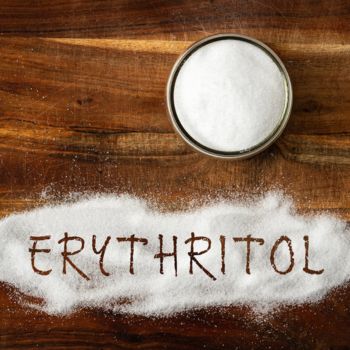
 In our blog posts, we have examined the potential health risks of artificial sweeteners in detail. Emerging research now indicates that certain artificial sweeteners may, in some cases, pose greater risks than table sugar. Of particular concern is erythritol, a sugar alcohol, which has been associated with an increased risk of serious cardiovascular events, including blood clots, heart attack, and stroke.
Erythritol is a commonly used artificial sweetener. Although it occurs in small amounts in some fruits and vegetables and is produced naturally in the body as part of normal metabolism, the quantities used in processed foods and beverages are far higher—often more than 1,000 times the levels found in nature. Continue reading “Artificial Sweetener Erythritol Linked to Increased Stroke and Heart Attack Risk”
 As the crisp air of fall settles in, our bodies naturally crave warmth and nourishment. In Traditional Chinese Medicine (TCM), this season is closely linked to the Metal element, which governs the Lungs and Large Intestine. The shift in weather can leave these organs—and our skin—more vulnerable to dryness, making it especially important to choose foods that support and protect our respiratory and digestive systems.
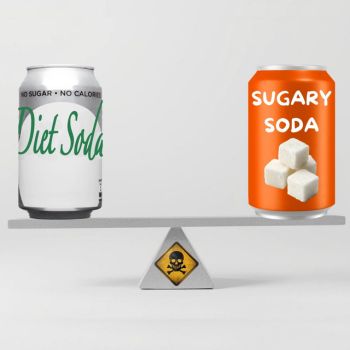 Artificially sweetened sodas are popular, but research suggests their ingredients may have serious consequences for our health, especially when it comes to fatty liver disease, heart health, and brain function. In this article, we take a closer look at the latest studies on diet sodas, added sugars, and their surprising effects on everything from your gut microbiome to your risk for chronic disease. If you care about long-term wellness or want to make informed choices about what you drink, read on for the evidence and practical alternatives.
  Love chocolate? You’re not alone—and science is on your side. Cocoa flavanols and dark chocolate aren’t just delicious treats; they’re packed with natural compounds that can benefit your heart, brain, and even your vision. In this article, we
  Ultra-processed foods are industrial formulations that undergo extensive processing and typically contain multiple ingredients not usually found in home cooking. Typically, these foods are lower in nutrients and fiber and higher in sugar, fat, and salt compared to unprocessed or minimally processed foods. Ultra-processed foods include soda, packaged cookies, chips, frozen meals, flavored nuts, flavored yogurt, hot dogs, distilled alcoholic beverages, and fast foods. Even many packaged breads, including those high in nutritious whole grains, qualify as ultra-processed because of the additives and preservatives they contain.
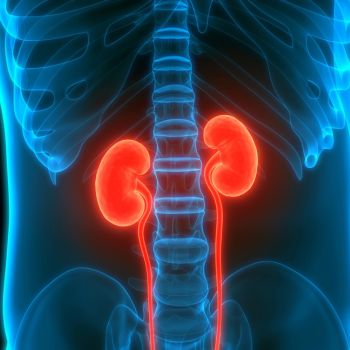 The kidneys play a crucial role in supporting brain health and maintaining optimal vision. In this article, we will examine the flow of vital energy in Traditional Chinese Medicine and look at the latest findings on Parkinson’s Disease. Find out how the intricate relationships between the kidneys, brain, and eyes can help you stay healthier as you age.
 Artificial sweeteners have long been marketed as a “healthier” alternative to sugar, especially for those managing diabetes, obesity, or simply aiming to cut calories. But as we explored in a
  A new study has found a link between vascular diseases, specifically high blood pressure, diabetes, and increased risk for dementia. Vascular risk factors were higher in both female and Black participants, as well as non-carriers of the APOE ε4 gene, which is linked with an increased risk of Alzheimer’s.[1. https://jamanetwork.com/journals/jamaneurology/article-abstract/2834600]