
 Eye conditions such as age-related macular degeneration, cataracts, glaucoma, and diabetic retinopathy usually do not have a single cause. Instead, they arise from a mix of influences, including genetics, environment, age, diet and nutrition, and oxidative stress. Among these, oxidative stress is especially important because it directly affects a vital cellular process called autophagy.
Autophagy is the body’s built-in “cellular housekeeping” or recycling system. It allows cells in the eyes and brain to break down and reuse worn-out components, including damaged mitochondria and large, clumped proteins.[1. Kulkami VV, Maday S. Compartment-specific dynamics and functions of autophagy in neurons. Dev Neurobiol. 2018;78(4):298-310. doi:10.1002/dneu.22524] When autophagy is working properly, it helps maintain healthy cell function. But when this process is disturbed, cellular waste can build up, organelles are not renewed as they should be, and the normal physiology of the eye can begin to break down. Continue reading “How the Eye and Brain Handles Removal of Natural Waste”

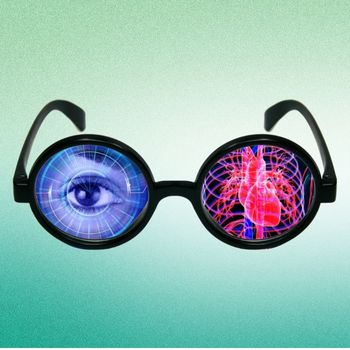 The link between cardiovascular disease and eye health may not be obvious. However, the eyes are made from nutrients. A large body of research shows how important nutrition is for eye health. Maintaining healthy vision depends on whether the eyes and visual system are properly nourished. Cardiovascular disease, including high blood pressure and atherosclerosis, can affect the flow of essential nutrients and oxygen to the eyes. Poor circulation to the eyes can cause damage to the retina’s tiny blood vessels, with potentially sight-threatening consequences. Cardiovascular disease can often be identified through retinal scans well before the disease is detectable through traditional tests.
  Extra weight around the belly may not seem hazardous. However, a higher abdominal circumference is one of several contributing factors to Metabolic Syndrome. As a risk factor for diabetes and cardiovascular disease, Metabolic Syndrome can creep up over time. Hormones, insulin resistance, genetics, organ dysfunction, and mitochondrial dysfunction can play a role.
 DHA is one of the omega-3 fatty acids that nutritionists implore us to eat. Why are grilled salmon and canned tuna part of nearly every diet and nutrition plan? Fatty fish is just one good source of DHA and other crucial nutrients. Find out how omega-3 fatty acids reduce chronic inflammation and help prevent diseases such as macular degeneration (ARMD), glaucoma, and diabetes. Pregnant people need omega-3’s to help the fetus develop. How much omega-3 fatty acids should you eat? And how do you balance them with omega-6 fatty acids, found in refined foods and certain meats?
  The standard Western diet, with many processed foods, white grains, fats, sugars, preservatives, and flavorings lacks essential nutrients to support the retina. These non-beneficial components aggravate inflammation in the body – an underlying, and sometimes a direct cause of illness, premature aging, and cellular degeneration.
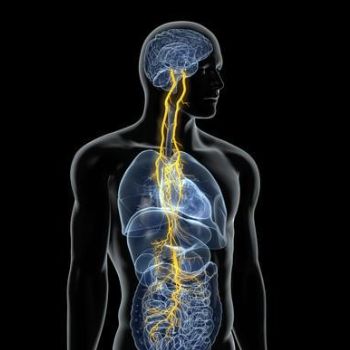 “Mind-body connection”? It is the link between our emotional/mental and physical selves. The link becomes evident as you learn about gut-brain access and the function of the vagus nerve.
 What are phytochemicals?
 Researchers at Oregon State University found a link between chronic inflammation, immune dysfunction and zinc deficiency. [1. “Zinc deficiency enhanced inflammatory response by increasing immune cell activation and inducing IL6 promoter demethylation.” Carmen P. Wong, Nicole A. Rinaldi and Emily Ho. Molecular Nutrition and Food Research. Article first published online: 17 MAR 2015 DOI: 10.1002/mnfr.201400761] Inflammation is involved in cardiovascular disease and other diseases.