
 Eye conditions such as age-related macular degeneration, cataracts, glaucoma, and diabetic retinopathy usually do not have a single cause. Instead, they arise from a mix of influences, including genetics, environment, age, diet and nutrition, and oxidative stress. Among these, oxidative stress is especially important because it directly affects a vital cellular process called autophagy.
Autophagy is the body’s built-in “cellular housekeeping” or recycling system. It allows cells in the eyes and brain to break down and reuse worn-out components, including damaged mitochondria and large, clumped proteins.[1. Kulkami VV, Maday S. Compartment-specific dynamics and functions of autophagy in neurons. Dev Neurobiol. 2018;78(4):298-310. doi:10.1002/dneu.22524] When autophagy is working properly, it helps maintain healthy cell function. But when this process is disturbed, cellular waste can build up, organelles are not renewed as they should be, and the normal physiology of the eye can begin to break down. Continue reading “How the Eye and Brain Handles Removal of Natural Waste”
 Hair loss is one of the most frequent concerns people bring to their doctors, regardless of age or gender. What many do not realize is that thinning hair or lash loss can sometimes signal deeper health issues that also impact vision. The eyes are closely connected to the rest of the body, so chronic conditions like diabetes, arthritis, high blood pressure, and autoimmune diseases can affect both hair and eye health.
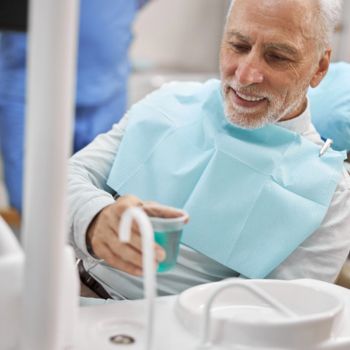 Did you know that periodontal disease and cavities are significant threats to oral health? In children, tooth decay is about five times more prevalent than asthma, and seven times more common than inhaled allergies. Adults lose teeth mostly from untreated periodontal disease. Untreated oral disease has resulted in 15% of people over the age of 65 having all their teeth removed.[1. Centers for Disease Control and Prevention. Oral Health Surveillance Report: Dental Caries, Tooth Retention, and Edentulism, United States, 2017–March 2020. U.S. Dept of Health and Human Services; 2024.] Severe tooth loss resulting in fewer than 8 teeth remaining affects 26% of seniors.[2. Griffin SO, Griffin PM, Li C-H, Bailey WD, Brunson D, Jones JA. Changes in older adults’ oral health and disparities: 1999 to 2004 and 2011 to 2016. J Am Geriatr Soc. 2019;67(6):1152–1157.] Untreated tooth decay in permanent teeth plagues 53 million adults in America.[3. Benjamin RM. Oral health: the silent epidemic. Public Health Rep. 2010 Mar-Apr;125(2):158-9. doi: 10.1177/003335491012500202. PMID: 20297740; PMCID: PMC2821841.]
 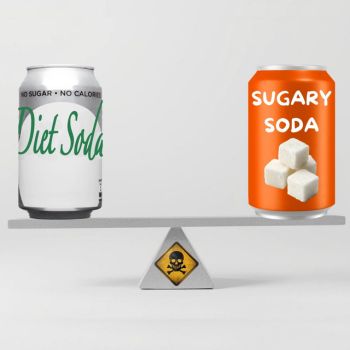 Artificially sweetened sodas are popular, but research suggests their ingredients may have serious consequences for our health, especially when it comes to fatty liver disease, heart health, and brain function. In this article, we take a closer look at the latest studies on diet sodas, added sugars, and their surprising effects on everything from your gut microbiome to your risk for chronic disease. If you care about long-term wellness or want to make informed choices about what you drink, read on for the evidence and practical alternatives.
  Protecting your vision doesn’t have to be complicated or costly. Decades of peer‑reviewed research show that specific nutrients—especially antioxidants, carotenoids, and omega‑3 fatty acids—can help maintain healthy eyes and reduce the risk of common conditions like cataracts, age‑related macular degeneration (AMD), glaucoma, and

 Ultra-processed foods are industrial formulations that undergo extensive processing and typically contain multiple ingredients not usually found in home cooking. Typically, these foods are lower in nutrients and fiber and higher in sugar, fat, and salt compared to unprocessed or minimally processed foods. Ultra-processed foods include soda, packaged cookies, chips, frozen meals, flavored nuts, flavored yogurt, hot dogs, distilled alcoholic beverages, and fast foods. Even many packaged breads, including those high in nutritious whole grains, qualify as ultra-processed because of the additives and preservatives they contain.
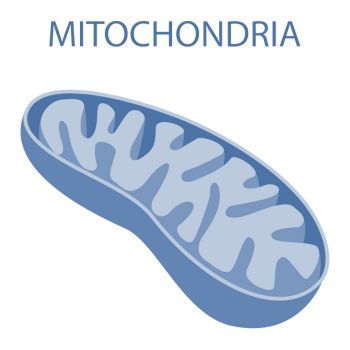 Mitochondria, often called the “powerhouses” of our cells, are vital for maintaining healthy eyes and brain function. These tiny organelles generate over 90% of the energy our cells need, especially in energy-hungry organs like the brain and eyes. When mitochondria become dysfunctional, it can trigger cell death and contribute to a wide range of health problems—from vision loss and neurodegenerative diseases to muscle weakness and heart issues. In this post, we’ll explore how mitochondrial health influences your eyes and brain, highlight the latest research on mitochondrial disorders, and share practical nutrients and lifestyle tips to help you support these essential cellular engines.