
 Eye conditions such as age-related macular degeneration, cataracts, glaucoma, and diabetic retinopathy usually do not have a single cause. Instead, they arise from a mix of influences, including genetics, environment, age, diet and nutrition, and oxidative stress. Among these, oxidative stress is especially important because it directly affects a vital cellular process called autophagy.
Autophagy is the body’s built-in “cellular housekeeping” or recycling system. It allows cells in the eyes and brain to break down and reuse worn-out components, including damaged mitochondria and large, clumped proteins.[1. Kulkami VV, Maday S. Compartment-specific dynamics and functions of autophagy in neurons. Dev Neurobiol. 2018;78(4):298-310. doi:10.1002/dneu.22524] When autophagy is working properly, it helps maintain healthy cell function. But when this process is disturbed, cellular waste can build up, organelles are not renewed as they should be, and the normal physiology of the eye can begin to break down. Continue reading “How the Eye and Brain Handles Removal of Natural Waste”
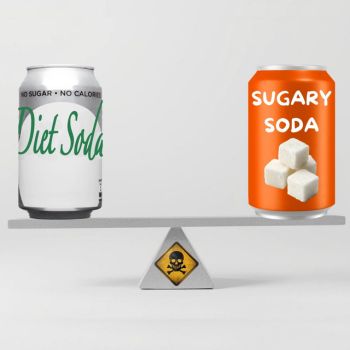 Artificially sweetened sodas are popular, but research suggests their ingredients may have serious consequences for our health, especially when it comes to fatty liver disease, heart health, and brain function. In this article, we take a closer look at the latest studies on diet sodas, added sugars, and their surprising effects on everything from your gut microbiome to your risk for chronic disease. If you care about long-term wellness or want to make informed choices about what you drink, read on for the evidence and practical alternatives.
  Love chocolate? You’re not alone—and science is on your side. Cocoa flavanols and dark chocolate aren’t just delicious treats; they’re packed with natural compounds that can benefit your heart, brain, and even your vision. In this article, we
 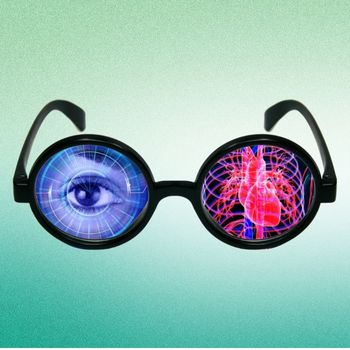 The link between cardiovascular disease and eye health may not be obvious. However, the eyes are made from nutrients. A large body of research shows how important nutrition is for eye health. Maintaining healthy vision depends on whether the eyes and visual system are properly nourished. Cardiovascular disease, including high blood pressure and atherosclerosis, can affect the flow of essential nutrients and oxygen to the eyes. Poor circulation to the eyes can cause damage to the retina’s tiny blood vessels, with potentially sight-threatening consequences. Cardiovascular disease can often be identified through retinal scans well before the disease is detectable through traditional tests.
  Is it possible that NMN – nicotinamide mononucleotide – is an anti-aging nutrient? This chemical occurs naturally in the body, but levels drop in seniors. Researchers are finding that taking NMN supplements appears to have benefits. How does NMN work? What does it do? And, could seniors slow down the aging process by taking it?
 Chocolate stands alone as both a tasty confection and a healthy food. However, a recent Consumer Reports study found that heavy metals contaminate many brands of chocolate. Cadmium and lead pose health risks, especially neurological health. This includes Alzheimer’s Disease and other forms of dementia. Why is chocolate—especially dark chocolate—considered to be healthy? Why is chocolate contaminated? And how can you find chocolate that is safest to eat?
  1 in 10 Adults Get Ocular Rosacea
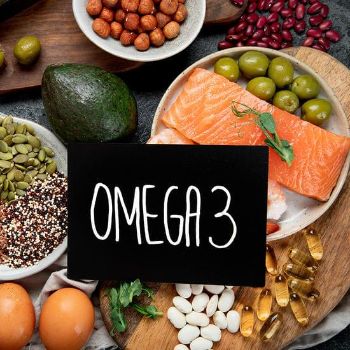 The standard Western diet, with many processed foods, white grains, fats, sugars, preservatives, and flavorings lacks essential nutrients to support the retina. These non-beneficial components aggravate inflammation in the body – an underlying, and sometimes a direct cause of illness, premature aging, and cellular degeneration.
 Did you know that how well your gut works is directly related to your healthy vision and your healthy brain?
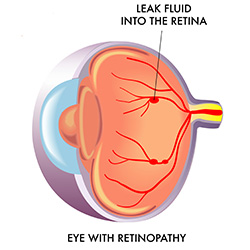 Macular degeneration and diabetic retinopathy have something in common. Although the indirect causes may be different, a consequence of untreated AMD or untreated diabetes is similar. Untreated, both conditions may result in macular microbleeding, in which abnormal capillaries develop (angiogenesis) that leak fluid or blood into the retina. A