
 Protecting your vision doesn’t have to be complicated or costly. Decades of peer‑reviewed research show that specific nutrients—especially antioxidants, carotenoids, and omega‑3 fatty acids—can help maintain healthy eyes and reduce the risk of common conditions like cataracts, age‑related macular degeneration (AMD), glaucoma, and diabetic retinopathy. While a colorful, nutrient‑dense diet is foundational, therapeutic levels are often difficult to reach through food alone. This guide summarizes key nutrients, food sources, and targeted supplements, drawing on nearly 25 years of research curation at Natural Eye Care and over 45 years of clinical experience by Dr. Marc Grossman. Continue reading “Essential Nutrients for Eye Health: Evidence-Based Guide to Vitamins, Antioxidants, and Supplements”
Category: Vitamin A
Retinal Cells Rewire to Preserve Vision in Retinitis Pigmentosa
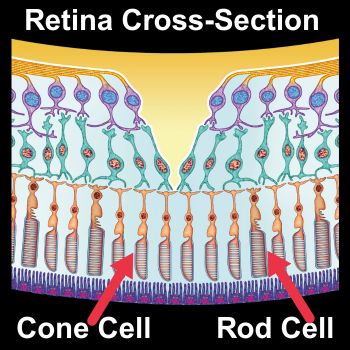 Retinitis Pigmentosa is a progressive eye disease that has long been associated with gradual vision loss and limited treatment options. Affecting about one in every 4,000 people, Retinitis Pigmentosa (RP) is marked by the degeneration of the retina’s photoreceptor cells—first the rods, which are responsible for night vision, and then the cones, which enable us to see in daylight and color. While the genetic complexity and slow progression of RP have posed challenges for patients and researchers alike, recent discoveries are offering new hope. Exciting new research reveals that the retina may have an unexpected ability to adapt: certain retinal cells can rewire themselves in response to degeneration, potentially helping to preserve vision even as the disease advances. Continue reading “Retinal Cells Rewire to Preserve Vision in Retinitis Pigmentosa”
Cardiovascular Disease and Eye Health
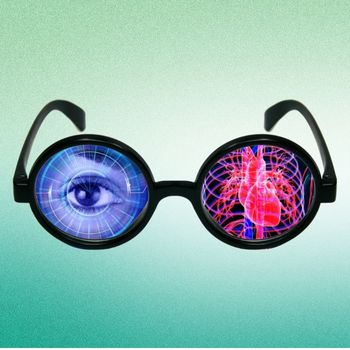 The link between cardiovascular disease and eye health may not be obvious. However, the eyes are made from nutrients. A large body of research shows how important nutrition is for eye health. Maintaining healthy vision depends on whether the eyes and visual system are properly nourished. Cardiovascular disease, including high blood pressure and atherosclerosis, can affect the flow of essential nutrients and oxygen to the eyes. Poor circulation to the eyes can cause damage to the retina’s tiny blood vessels, with potentially sight-threatening consequences. Cardiovascular disease can often be identified through retinal scans well before the disease is detectable through traditional tests. Continue reading “Cardiovascular Disease and Eye Health”
Flu and Cold Season – Natural Ways to Stay Healthy
 Wintertime is when colds and flu are the most common. Why should we try to avoid these infectious diseases, and how? In addition to annual vaccines, what are some natural ways to stay healthy during cold and flu season? At Natural Eye Care, we see healthy eyes as part of a healthy body. This article references research that supports lifestyle, nutrition, botanicals, and supplements to fight colds and flu. Find out how to avoid getting sick, reduce the impact, and recover faster.
Each year, approximately 5 to 20 percent of Americans come down with the flu. Although most recover without incident, flu-related complications typically lead to at least 200,000 hospitalizations and between 12,000 and 60,000 deaths each year. People tend to recover from bacterial-related colds much more quickly than virus-related colds. Seniors and small children are especially susceptible.
Continue reading “Flu and Cold Season – Natural Ways to Stay Healthy”
How Are Hair Loss and Eye Conditions Connected?
 Hair loss is a prevalent concern, affecting both men and women. Surprisingly, there may be a connection between hair loss and eye conditions. This intriguing link stems from healthy vision being closely tied to overall bodily health. Chronic conditions such as diabetes, arthritis, and hypertension are associated with declining eye health. The root causes of many chronic conditions, such as incomplete nutrition and chronic inflammation, can damage hair and impede hair growth. Certain autoimmune diseases can cause alopecia. Both an underactive and overactive thyroid can cause hair loss and affect the eyes. Menopause impacts both the eyes and hair. In this article, we will explore androgenetic alopecia, hyperthyroidism and hypothyroidism, eyelash loss (madarosis), menopause, diet and vitamin deficiencies, and insights from Traditional Chinese Medicine. Continue reading “How Are Hair Loss and Eye Conditions Connected?”
Keep Your Eyes Young and Healthy: Avoid Cataracts, Macular Degeneration, Glaucoma
 As we age, our chances of developing a serious vision problem increase significantly. More than half of people over the age of 70 years old have an eye condition such as cataracts, glaucoma, and macular degeneration; people with diabetes often develop diabetic retinopathy. These limiting conditions decrease the quality of life. Being a retired senior means having time to enjoy life, read, travel, play golf, enjoy hobbies, and socialize with friends and family. However, participating in these activities requires clear vision.
We can learn to help preserve our vision and to become active Continue reading “Keep Your Eyes Young and Healthy: Avoid Cataracts, Macular Degeneration, Glaucoma”
Opposite Vitamin A Recommendations for Stargardt’s Disease vs Retinitis Pigmentosa
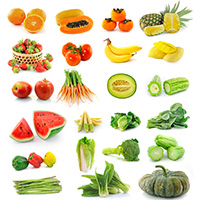 Stargardt’s Disease and Retinitis Pigmentosa are genetic eye diseases that involve the metabolism of vitamin A. However vitamin A has a different impact on the course of each disease. A recent study[1. BMC Ophthalmol. 2016; 16: 13. “Dietary profile of patients with Stargardt’s disease and Retinitis Pigmentosa: is there a role for a nutritional approach?” by Francesco Sofi et. al.] examined the total intake of vitamin A in both types of patients. It found that:
- Stargardt’s patients with high A intake had low visual acuity
- Stargardt’s patients with low A intake had better visual acuity.
- Retinitis Pigmentosa patients with low A intake had low visual acuity.
- Retinitis Pigmentosa patients with high A intake had better visual acuity
Continue reading “Opposite Vitamin A Recommendations for Stargardt’s Disease vs Retinitis Pigmentosa”
Rod-Cone Dystrophy – A Complete Overview by Natural Eye Care
 Rod-Cone Dystrophy is a genetically-based deterioration of vision caused by damage to the photoreceptors in the eye. Rods and cones are the photoreceptor cells in the retina that give us daytime and night time vision. Genes that provide the blueprint for manufacturing proteins crucial to the eye’s rods and cones are damaged. Without enough of these proteins, vision deteriorates and blindness may result.
Much of the current research into rod-cone dystrophy is focused on genetic research. Scientists are busy identifying the faulty genes and how they function. Stem cells or other genetic therapy offers hope for a treatment and possibly cure in the future. In the meantime, nutritional and lifestyle choices may Continue reading “Rod-Cone Dystrophy – A Complete Overview by Natural Eye Care”
Vitamin A Deficiency Causes Blindness; Prevent Night Blindness With Nutrition
Vitamin A deficiency is uncommon in the U.S., but it affects many people in the developing world. One of first symptoms of a vitamin A deficiency is night blindness, which, if untreated can develop into full scale blindness. According to the World Health Organization Report on Vitamin A Deficiency, night blindness is estimated to affect 5.2 million preschool-age children and 9.8 million pregnant women around the globe.
Writing on a case in The Lancet, doctors who treated a pregnant woman who came to the emergency room after several weeks of progressive sight loss described this particular case, “Vitamin A deficiency can be secondary to poor intestinal absorption due to weight loss surgery, Crohn’s disease or pancreatic dysfunction. Our patient had anorexia nervosa and had limited her diet to white onions, white potatoes, and red meat for the past 7 years.”
We usually recommend taking vitamin A in the form of beta-carotene, which converts to vitamin A with a small amount of fat in the diet. Food sources of vitamin A include: yellow and orange vegetables (including yams, carrots, mangoes, cantaloupe, apricots, butternut squash, and sweet potatoes), and asparagus, spinach, kale, bok choy. If you wish for additional supplementation, the recommended dose is approximately 15,000 to 25,000 I.U. of beta-carotene daily.
Learn more about food as sources of vital nutrients at our website.
Philippines’ GMO Golden Rice with Beta-Carotene Sparks Controversy
World Wide Beta Carotene Deficiency
The study, published in The Journal of Nutrition, states that many people across the world do not get the necessary 2 -4 mg of vitamin A. Source: Nutraingredients.
Controversy over GMO “Golden Rice”
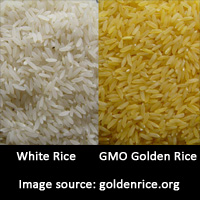
A variety of rice genetically modified to contain beta-carotene awaits approval in the Philippines. Supporters claim the rice could be an answer to the widespread Vitamin A deficiency in the country. They hope to see the “Golden Rice” in fields within the year, after it passes biosafety tests.
Beta-carotene is processed by the body and converted into Vitamin A. Vitamin A deficiencies lower immunity and can lead to blindness. Insufficient intake of this vitamin has been an ongoing problem in the Philippines, with Continue reading “Philippines’ GMO Golden Rice with Beta-Carotene Sparks Controversy”