
 The brain and eyes are intimately connected, and the nutrients essential for eye health are the same as for brain health. A retinal scan can detect the early onset of Alzheimer’s Disease, Parkinson’s Disease, and Multiple Sclerosis before symptoms appear.
Numerous studies have shown that dietary factors help prevent brain and eye disease. They have a critical effect on neuronal function and synaptic plasticity. Recent findings have shed light on key processes through which nutrition influences brain health and cognitive performance. Alongside lifestyle factors like physical activity, what we eat has played a significant part in the development of our mental abilities and the evolution of the human brain. Continue reading “Brain Health and Nutrition”
 Coronary artery disease stands as the leading form of heart disease in the United States, impacting more than 20 million people. Among atherosclerosis’s most serious risks are heart attacks and strokes, both of which can have life-altering consequences. Fortunately, there are powerful steps you can take to protect your heart health. Building a balanced diet, staying active, and using carefully chosen supplements all play an important role in preventing and managing atherosclerosis. In this article, we will discuss how atherosclerosis happens, its effects on the body, and nutrients that support heart health. We also review basic lifestyle choices, such as exercise and remaining smoke-free, that can add years to your life.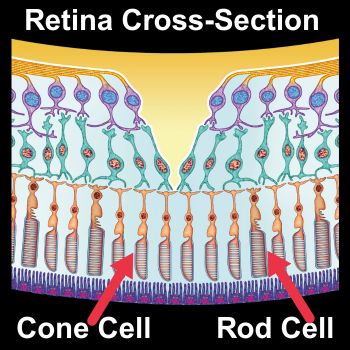
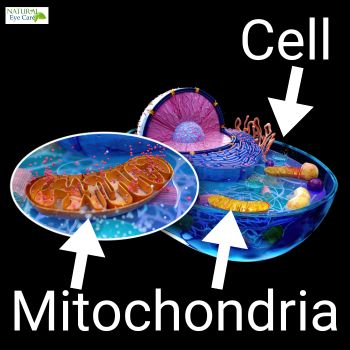 Keeping our cells healthy is key to staying well and helping to prevent disease. Your 30 trillion cells each contain mitochondria, the cell’s tiny “battery” and energy source. The main cause of death worldwide is non-communicable diseases such as heart disease, strokes, diabetes, cancer, chronic lung diseases, and brain diseases, including Alzheimer’s disease and dementia. Anything you do to keep your mitochondria healthy can mitigate these diseases, potentially extending life and increasing the quality of life. We have talked about how mitochondria work in some of our
  What is the relationship between brain health and eye health as we age? Our brains adapt and form new connections throughout our lives. Nutrition, lifestyle choices, and early detection play major roles in keeping the brain healthy, and the eyes. Find out about Natural Eye Care’s holistic approach to brain and eye health.
  Getting enough sleep is crucial to your daily life and long-term health. However, many seniors struggle to get sufficient sleep. They also may have difficulty with the quality of sleep. What do the statistics show? How bad is sleep deprivation for your health? And what are some natural solutions?
 What is CoQ10?
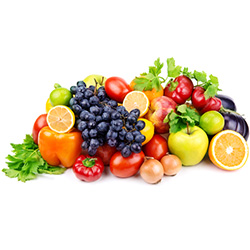 The links between antioxidants and vision health are strong. Antioxidants are the antidote to oxidization. Normal metabolism creates free radicals. These are atoms that lack an electron. Free radicals roam about the body, scavenging electrons and stealing electrons from healthy cells. This results in permanent damage to these afflicted cells which ultimately can result in disease. Significant research has shown that antioxidants protect against this cellular damage and are essential for maintaining health. The eye is especially vulnerable to free radical damage. Therefore, providing the body with sufficient antioxidants
  Patients with early Age-Related Macular Degeneration (AMD) improved when taking a combination of nutrients. The nutrients were acetyl-L-carnitine, omega-3 fatty acids, and coenzyme Q10.[1. Ophthalmologica. 2005 May-Jun;219(3):154-66. “Improvement of visual functions and fundus alterations in early age-related macular degeneration treated with a combination of acetyl-L-carnitine, n-3 fatty acids, and coenzyme Q10.” Feher J et. al.]
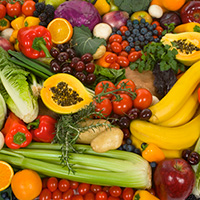 Antioxidants have been studied as a way of preventing eye diseases such as macular degeneration and cataracts. Oxidative damage (free radical damage) may be a contributing cause of these diseases. People concerned about developing these problems may consider taking both dietary and supplemental