
 What is the relationship between brain health and eye health as we age? Our brains adapt and form new connections throughout our lives. Nutrition, lifestyle choices, and early detection play major roles in keeping the brain healthy, and the eyes. Find out about Natural Eye Care’s holistic approach to brain and eye health. Continue reading “How to Keep Your Brain Healthy–And Your Eyes!”
Category: Pine bark
Eye Studies Reveal Natural Eye Care Effectiveness
 At Natural Eye Care, we view vision health from a whole-body perspective. Eye studies can reveal how to manage the visual system. However, the health of the eyes is connected to overall health. The visual system requires as much as 25% of the nutrients we take into our bodies. The brain needs even more. How we take care of ourselves goes a long way in helping to preserve healthy vision. Personal care includes emotional balance, and lifestyle considerations such as eating a healthy diet, exercising regularly, and targeted supplementation. Continue reading “Eye Studies Reveal Natural Eye Care Effectiveness”
Glaucoma Update: New Mirtogenol Formula for Eye Pressure
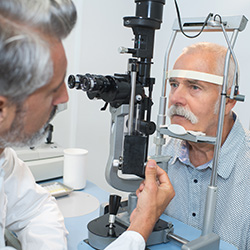 Mirtogenol® has been shown to reduce eye pressure, which is a risk factor and symptom of glaucoma. A combination of bilberry extract and French maritime pine bark, Mirtogenol was the first nutrient combination shown to support healthy eye pressure. Glaucoma is the leading cause of blindness in the world. By reducing intra-ocular pressure (IOP), Mirtogenol naturally supports glaucoma. Glaucoma leads to irreversible optic nerve damage and vision loss. Dr. Marc Grossman, OD, L.Ac. and author of “Natural Eye Care: Your Guide to Healthy Vision and Healing” has released a new Eye Pressure Support Ease Formula With Mirtogenol Plus. Continue reading “Glaucoma Update: New Mirtogenol Formula for Eye Pressure”
French Maritime Pine Bark Supports Healthy Cardiac Function and Eye Health
 You may have heard that French Maritime pine bark extract, or Pinus pinaster, can reduce atherosclerosis. Hardening of the arteries is a leading cause of heart attacks and stroke. The middle-aged and seniors are vulnerable to high cholesterol, high blood pressure, and high blood sugar. Diet, exercise, and weight management are important for controlling metabolic syndrome. Additionally, this extract has been shown to alter fat metabolism and inflammation that are factors in atherosclerosis. How does French Maritime Pine bark extract address plaque build-up in the arteries? Continue reading “French Maritime Pine Bark Supports Healthy Cardiac Function and Eye Health”
Protect the Optic Nerve with Taurine, Bilberry, and More
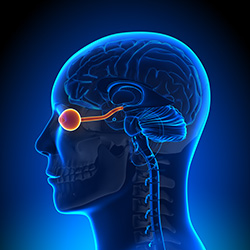 Several nutrients and vitamins such as bilberry and taurine help protect the optic nerve from damage. Glaucoma causes optic nerve damage. Optic neuritis and optic nerve atrophy are serious conditions that harm the optic nerve. Since the optic nerve sends electrical signals from the eye to the brain, any interruption damages vision. How does the optic nerve work? Which diseases damage the optic nerve? What does the research show about how nutrients, foods, and vitamins protect the optic nerve? Taurine, gingko biloba, a fruit called bilberry, Vitamin C, and Vitamin B12 among others have demonstrated their usefulness. Continue reading “Protect the Optic Nerve with Taurine, Bilberry, and More”
Benefits of Maritime Pine Bark Extract
 The effects of extracts of French Maritime pine bark (Pinus pinaster bark extract) have been reviewed in the journal, Research in Pharmaceutical Sciences. The writers explain the damaging role of free radicals which arise from oxidative processes within the body as well as the damage resulting from inflammation and that many studies have demonstrated that such damage can be prevented or limited.
Diabetic Retinopathy Guide: When High Blood Sugar Damages the Eyes
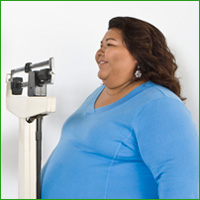 Diabetic retinopathy is an eye disease that is a complication of diabetes. In diabetes, levels of blood sugar are chronically elevated due to lack of insulin, an insulin insensitivity, or a combination of both. Just as sugar combined with water outside the body forms a sticky substance, excessive sugar in the bloodstream does so as well. Sugar adheres to numerous different tissues in the body, causing problems depending on the tissue. Prolonged excessive sugar in the bloodstream tends to damage the blood vessels of the retina, the back part of the eye that sends light signals to the brain. As the blood vessels Continue reading “Diabetic Retinopathy Guide: When High Blood Sugar Damages the Eyes”
Bilberry & Pine Bark Supplement Mitrogenol Lowers IOP
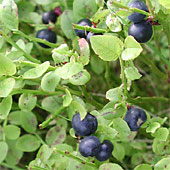
A nutritional supplement comprised of a patented blend of bilberry and pine bark is marketed as Mitrogenol. A study published in Clinical Opthamology describes a study of 79 people with raised eye pressure levels. The intraocular pressure (IOP) of participants who took Mitrogenol decreased by 24%. Those who took the pharmaceutical eye drop Latanoprost experienced a 28% drop in IOP. A third group that took a combination of both remedies watched their levels go down by 40%
Researchers found that taking these products together helped lower IOP and resulted in better retinal blood flow. It is noted that Latanoprost has been noted to cause dry eyes, eye color changes, and eyelid irritation.
Elevated IOP is often related to the onset of glaucoma.
Source: https://www.naturaleyecare.com/study.asp?num=294
An earlier pilot study also found that supplementing with bilberry and pine bark can helps lower intraocular pressure (IOP).
In this small study 20 patients who have high IOP received bilberry and French maritime pine bark and 18 patients were the control group.
Vision sharpness, IOP and blood flow in the eye were measured 2, 3 & 6 months later. The researchers reported that the mean IOP was reduced and ocular blood flow improved after 2 months. These results may constitute a safe complementary treatment for glaucoma or have preventative value.
Bilberry Purity
The compounds found in bilberries, blueberries, and huckleberries are key to preventing and treating not only Glaucoma but poor night vision, myopia , macular degeneration , diabetic retinopathy , cataracts , and computer eye syndrome.
National Institute of Standards and Technology (NIST) is now certifying the amount organic acids available in dietary supplements formulated with Vaccinium berries, including blueberries and bilberries. These new standards can help consumers buy products made of the berries that they advertise, rather than diluting them with less expensive juices. Source: www.sciencedaily.com
Substantiates Earlier Research
The above research substantiates earlier Italian research looking at supplementation with bilberry and pine bark. Researchers in Italy reported that nutritional supplements of bilberry and French maritime pine bark can help reduce intra-ocular pressure (IOP).
Authors of the study from the University of Chieti-Pescara in Italy studied thirty-eight subjects with intraocular hypertension. Twenty subjects were given bilberry and French maritime pine bark; eighteen subjects were not treated. The visual acuity, IOP, and ocular blood flow were measured at two, three, and six months. After two months, the group taking the supplements showed a decrease in the mean IOP. No side effects were observed and ocular blood flow improved.
Having reviewed the results, these researchers believe that food supplements of bilberry and pine bark may represent a safe preventative intervention for lowering the risk of developing glaucoma by supporting a healthier pressure in the eyes.
SOURCE: “Effects of Mirtogenol on ocular blood flow and intraocular hypertension in asymptomatic subjects”, Robert Steigerwalt Jr., et al, Molecular Vision 2008; 14:1288-1292.
Diabetic Retinopathy Patients May Benefit From Nutritional Supplements
Diabetic retinopathy is a potentially blinding condition that affects almost 5% of diabetics. Peer reviewed scientific research has found that the following nutritional supplements may help people who are concerned about diabetic retinopathy and diabetes in general.
Chromium: 73% of type I and II diabetics who took chromium supplements reduced their requirement for insulin or oral hypoglycemic agents. Taking chromium and niacin together reduced fasting blood sugar levels and improved glucose tolerance.
Bilberry: 79% of 37 patients with visible diabetic retinal abnormalities improved after taking 160 mg of bilberry extract twice daily, compared to 0% of the placebo control group, and 86% of those with abnormalities of angiography findings showed moderate to considerable improvement.
Ginkgo Biloba: According to the following double blind study, gingko biloba can help improve diabetic retinopathy by improving the flow of blood to the brain and extremities.
Pine Bark Extract: A 2010 study suggests that pine bark extract (containing procyanidins) may be helpful to diabetics who have early diabetic retinopathy through improved retinal blood flow and lowering swelling edema.
About 40-50% of Americans who have been diagnosed with diabetes already have some stage of diabetic retinopathy, according to NIH.
Reference: Steigerwalt R, et al. Pycnogenol® improves microcirculation, retinal edema, and visual acuity in early diabetic retinopathy. J Ocular Pharmacol Therap 25:537-40, 2009.
Procyanidins Benefit Microcirculation in Early Diabetic Retinopathy
A new study now reports that pine bark extract (which contains procyanidins) may extend vision-saving benefits to diabetics with early stage retinopathy by improving retinal blood flow and inducing regression of edema.
A 2010 study suggests that pine bark extract (containing procyanidins) may be helpful to diabetics who have early diabetic retinopathy through improved retinal blood flow and lowering swelling edema.
About 40-50% of Americans who have been diagnosed with diabetes already have some stage of diabetic retinopathy, according to NIH.
Learn more about management of diabetic retinopathy.
Reference: Steigerwalt R, et al. Pycnogenol® improves microcirculation, retinal edema, and visual acuity in early diabetic retinopathy. J Ocular Pharmacol Therap 25:537-40, 2009.