 This month, we’re focusing on understanding macular degeneration and the importance of early detection. We will explore natural approaches to manage this eye disease and support healthy vision.
Macular Degeneration is a leading cause of vision loss, primarily affecting central vision, and can lead to blindness if not properly managed. The macula is a yellowish spot at the center of the retina, where vision is sharpest. While genetics can play a role, macular degeneration often appears in those over 50 due to essential nutrients not reaching the eyes, particularly the retina. Factors like a sedentary lifestyle, poor diet, reduced nutrient absorption, certain medication side-effects, and health issues such as poor circulation and chronic inflammation can contribute to this condition.
Continue reading “February: Macular Degeneration Awareness Month”
 Not all foods play well together. Meat and Potatoes. Surf and Turf. Chicken with Rice. Sounds yummy, right? However, proponents of food-combining diets would not combine protein with carbs, and or mix different types of proteins. Food combining advocates believe that eating certain types of food in the same meal can lead to disease, toxin buildup, and digestive issues. They also believe that proper combinations can help relieve these problems.
 What is the relationship between brain health and eye health as we age? Our brains adapt and form new connections throughout our lives. Nutrition, lifestyle choices, and early detection play major roles in keeping the brain healthy, and the eyes. Find out about Natural Eye Care’s holistic approach to brain and eye health.
  At Natural Eye Care, we view vision health from a whole-body perspective. Eye studies can reveal how to manage the visual system. However, the health of the eyes is connected to overall health. The visual system requires as much as 25% of the nutrients we take into our bodies. The brain needs even more. How we take care of ourselves goes a long way in helping to preserve healthy vision. Personal care includes emotional balance, and lifestyle considerations such as eating a healthy diet, exercising regularly, and targeted supplementation.
 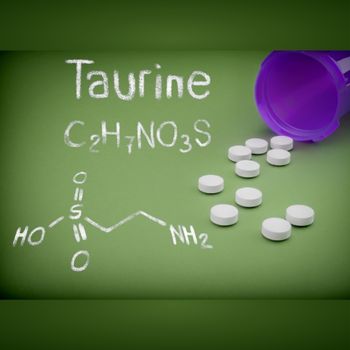 Taurine is an amino acid that your body manufactures and obtains from food. Crucial to health, taurine has many benefits for the eyes, heart, and brain. It is also an antioxidant that reduces inflammation and bad cholesterol levels. However, seniors often have taurine levels that are 80% lower than younger people.[1. Ito T, Yoshikawa N, Inui T, et al. Tissue depletion of taurine accelerates skeletal muscle senescence and leads to early death in mice. PLoS One. 2014;9(9):e107409] [2. Singh P, Gollapalli K, Mangiola S, et al. Taurine deficiency as a driver of aging. Science. 2023 Jun 9;380(6649):eabn9257.]
 Rod-Cone Dystrophy is a genetically-based deterioration of vision caused by damage to the photoreceptors in the eye. Rods and cones are the photoreceptor cells in the retina that give us daytime and night time vision. Genes that provide the blueprint for manufacturing proteins crucial to the eye’s rods and cones are damaged. Without enough of these proteins, vision deteriorates and blindness may result.
 Blue light is emitted from all handheld electronic devices as well as desktop and laptop computers and televisions. It is the shortest wave length light in the visible spectrum and causes significant damage to many parts of the eye seriously impacting present and future vision capacity. Damage from blue light from smartphones is particularly important because smartphones are often used in dim light and are used close to the eyes. Unlike ordinary computer vision fatigue, damage from blue light is serious, cumulative and irreversible.
 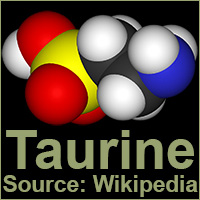 Your body is 1/1000th taurine, a chemical essential to life. The amino acid taurine is crucial for vision. It supports function of the heart, skeletal muscle, and the central nervous system.[1] The pancreas produces taurine, and taurine is a major component of digestive bile. The chemical can be ingested from meats, fish and supplements, such as pills and energy drinks.
 Fuchs’ Corneal Dystrophy is named for the Austrian ophthalmologist Ernst Fuchs, who first described the condition in 1910. He described thirteen patients who suffered from corneal clouding, blisters on the corneal epithelia and loss of corneal sensation.